
 English
  日本語
日本語  Français
  русский
  Português
  Español
  عربى
عربى 
To clean and sanitize a bath sponge effectively, rinse it thoroughly after every use, wring it out completely, and allow it to air-dry in a well-ventilated area. For deeper sanitization, soak it in a diluted bleach solution (1 tablespoon bleach per quart of water) or white vinegar for 5 minutes once or twice a week. These steps, combined with regular replacement every 3–4 weeks, are enough to prevent the dangerous bacteria buildup that affects most bath sponges within days of first use.
Why Bath Sponges Become Breeding Grounds for Bacteria
Understanding why sponges get contaminated so quickly makes it easier to take the right preventive action. A bath sponge creates near-perfect conditions for microbial growth:
- Moisture retention: The dense, porous structure of a sponge traps water deep inside, where it stays warm and damp for hours — ideal for bacterial multiplication.
- Dead skin cell accumulation: Every use deposits dead skin cells, body oils, and soap residue into the sponge's pores, providing nutrients for bacteria and mold to feed on.
- Warm bathroom environment: Bathrooms typically maintain temperatures between 20°C–30°C (68°F–86°F) — the optimal growth range for most common bacteria.
- Rapid contamination timeline: A 2018 study published in the journal Scientific Reports found that over 362 different bacterial species were identified in used loofahs and bath sponges, with counts reaching millions of colony-forming units (CFU) per square centimeter within just one week of use.
Common bacteria found in uncleaned bath sponges include Staphylococcus aureus, Pseudomonas aeruginosa, and various coliform bacteria — organisms capable of causing skin infections, folliculitis, and in rare cases, more serious conditions in people with compromised immune systems.
Daily Habits That Prevent Bacteria from Taking Hold
Consistent daily care is more effective than periodic deep cleaning alone. These habits take less than a minute and dramatically reduce bacterial load between washes:
- Rinse immediately after use — flush the sponge under hot running water for 30–60 seconds to remove skin cells, soap residue, and surface bacteria before they can settle in.
- Wring out thoroughly — squeeze the sponge multiple times to expel as much trapped water as possible from deep inside the material.
- Hang it to dry away from the shower — do not leave the sponge sitting on a wet shelf or hanging inside the shower stall. Move it to a dry, open area with good airflow. A hook near a window or outside the bathroom is ideal.
- Never share your sponge — sharing transfers personal bacteria between users, rapidly increasing contamination levels.
- Keep it away from the toilet — every flush aerosolizes microscopic particles. Sponges stored within 1.5 meters (5 feet) of an uncovered toilet are measurably more contaminated.
Step-by-Step Deep Cleaning Methods That Actually Work
Aim to deep-clean your bath sponge 2–3 times per week for active use. Choose the method that suits your sponge material.
Method 1 — Diluted Bleach Soak (Most Effective for Synthetic Sponges)
- Mix 1 tablespoon of household bleach per 1 quart (approx. 1 liter) of water
- Submerge the sponge fully and soak for 5 minutes
- Rinse thoroughly under running water until no bleach odor remains
- Wring out and air-dry completely before next use
- Note: Do not use bleach on natural sea sponges — it degrades the organic fibers rapidly
Method 2 — White Vinegar Soak (Safe for Natural and Synthetic Sponges)
- Soak the sponge in undiluted white vinegar for 5–10 minutes
- Vinegar's acetic acid kills a broad spectrum of bacteria and neutralizes odors
- Rinse with warm water and air-dry — the vinegar smell dissipates as it dries
- Effective against mold and mildew as well as common bathroom bacteria
Method 3 — Microwave Sanitization (Synthetic Sponges Only)
- Dampen the sponge thoroughly (never microwave a dry sponge — fire risk)
- Place in a microwave-safe bowl with a small amount of water
- Microwave on high for 2 minutes — internal heat kills the majority of bacteria
- Allow to cool before handling — the sponge will be very hot
- Do not use on natural sea sponges or sponges with metal components
Method 4 — Washing Machine (Loofahs and Fabric Bath Sponges)
- Place the sponge or loofah in a mesh laundry bag
- Wash on a hot cycle (60°C / 140°F or higher) with regular detergent
- Air-dry fully — do not use a tumble dryer for natural fiber sponges as heat can cause shrinkage or damage
Cleaning Method Comparison by Sponge Type
| Cleaning Method | Synthetic Sponge | Natural Sea Sponge | Loofah | Effectiveness |
|---|---|---|---|---|
| Diluted Bleach Soak | Safe | Damages fibers | Use diluted only | Very High |
| White Vinegar Soak | Safe | Safe | Safe | High |
| Microwave (2 min) | Safe | Not suitable | Not suitable | Very High |
| Washing Machine (hot) | Safe | Gentle cycle only | Safe | High |
| Hot Water Rinse Only | Safe | Safe | Safe | Low (daily use only) |
Special Care for Natural Sea Sponges
Natural sea sponges require a gentler approach than synthetic alternatives. Their organic structure is effective at resisting bacterial growth to a degree — they contain natural enzymes with mild antimicrobial properties — but they are more vulnerable to harsh chemicals and high heat.
- Weekly deep clean: Soak in a solution of 1 tablespoon of baking soda per cup of warm water for 10–15 minutes, then rinse thoroughly.
- Alternatively: Mix 1 teaspoon of tea tree oil with 2 cups of water and soak for 10 minutes — tea tree oil has documented antimicrobial properties effective against common bathroom bacteria.
- Avoid: Bleach, boiling water, tumble dryers, and microwaving — all degrade the natural sponge fiber structure rapidly.
- Storage: Keep in a breathable mesh or cotton bag — never a sealed container — between uses.
How to Store Your Bath Sponge to Minimize Bacterial Growth
Where and how you store your sponge between uses is just as important as how you clean it. Poor storage habits can recontaminate a freshly cleaned sponge within hours.
- Use a ventilated holder or hook: Avoid suction-cup caddies that press the sponge against a surface. Open wire or mesh holders that allow airflow on all sides are best.
- Position outside the direct shower spray zone: Constant re-wetting without drying time is one of the fastest ways to accelerate bacterial growth.
- Allow minimum 4–6 hours of dry time between uses when possible — insufficient drying time is the leading cause of mold formation in bath sponges.
- Consider a UV sanitizer box: Compact UV-C sterilizer boxes (available for $20–$50) can kill up to 99.9% of surface bacteria in 10 minutes and work well for smaller sponges and loofahs.
When Cleaning Is No Longer Enough: Replacement Schedule
No cleaning method fully restores a sponge once bacterial colonies have penetrated deep into the material. Replacement is the only effective solution once a sponge reaches the end of its hygienic lifespan.
| Sponge Type | Recommended Replacement | Key Warning Signs |
|---|---|---|
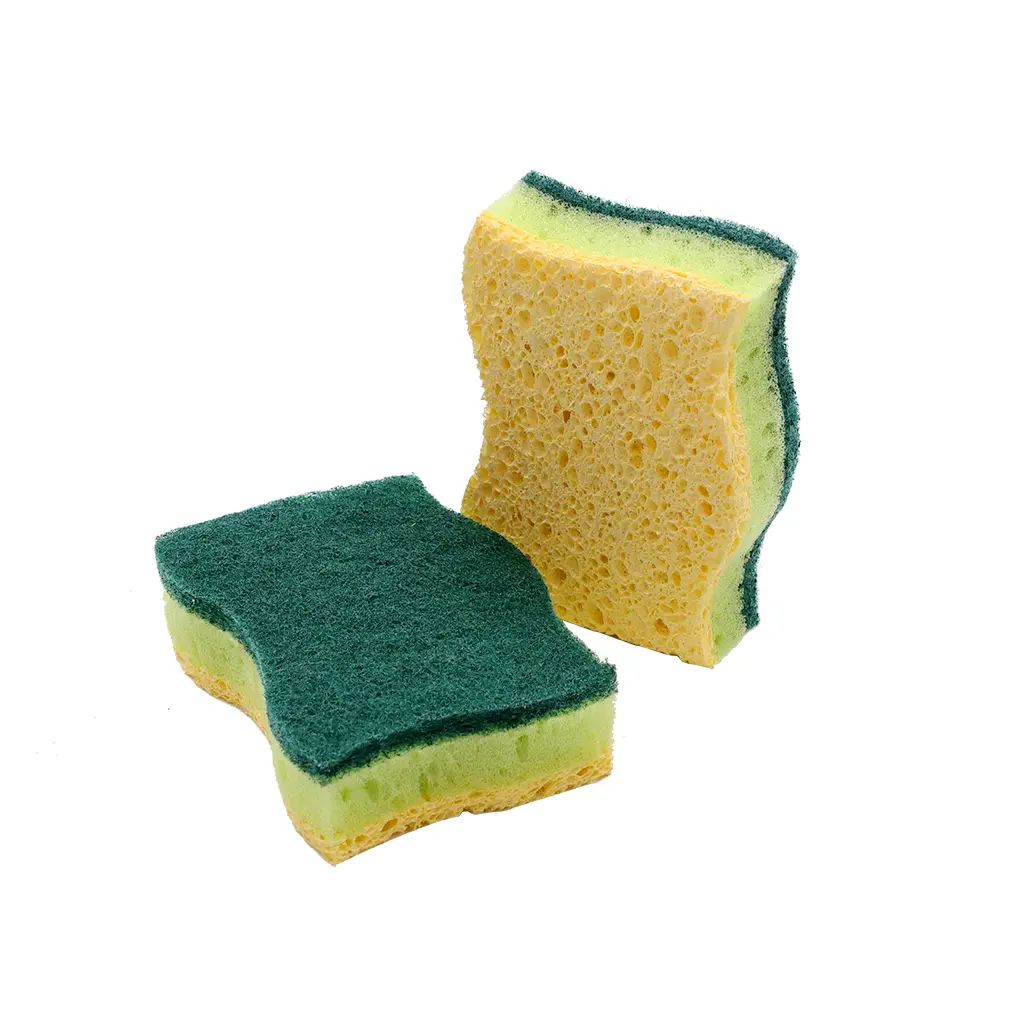
| Synthetic bath sponge / puff | Every 3–4 weeks | Persistent odor, discoloration, fraying |
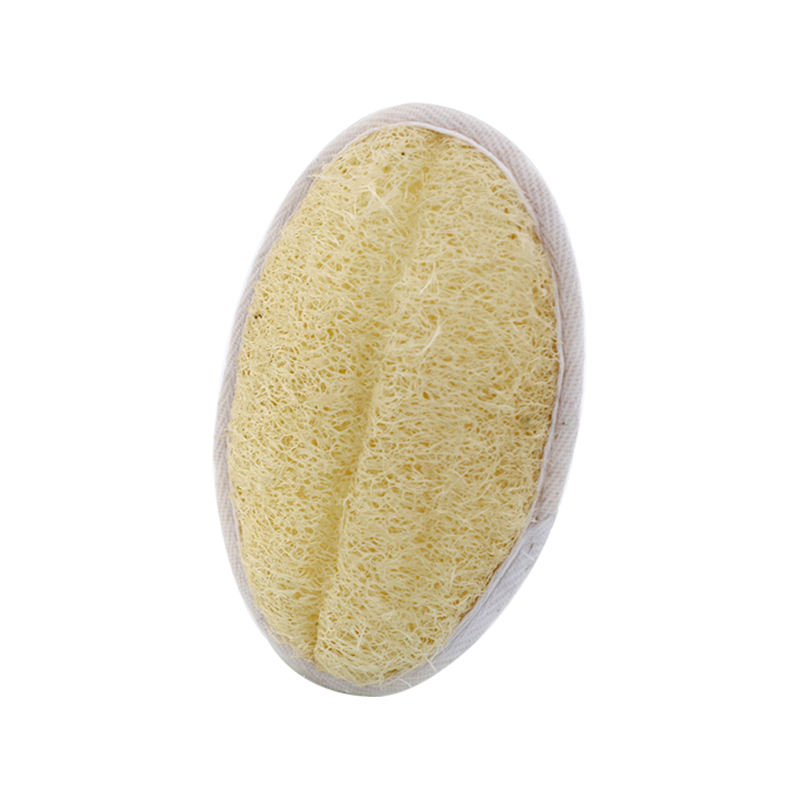
| Loofah (natural) | Every 3–4 weeks | Musty smell, dark spots, fiber breakdown |
| Natural sea sponge | Every 4–8 weeks | Odor after cleaning, visible mold, texture change |
| Silicone bath scrubber | Every 6–12 months | Cracking, permanent staining, bristle wear |
If your sponge smells unpleasant even immediately after cleaning, replace it immediately — persistent odor is a reliable indicator that bacterial colonies have embedded too deeply to be removed by surface sanitization.
Cleaner Alternatives Worth Considering
If maintaining a hygienic bath sponge feels like too much effort, several alternatives offer comparable cleansing with far lower bacterial risk:
- Silicone bath scrubbers: Non-porous surface resists bacterial growth dramatically better than foam or fiber. Easy to clean under hot water or in the dishwasher. Lasts 6–12 months.
- Washcloths: Can be laundered after every use at 60°C, making them one of the most hygienic options available. Replace every 1–2 years.
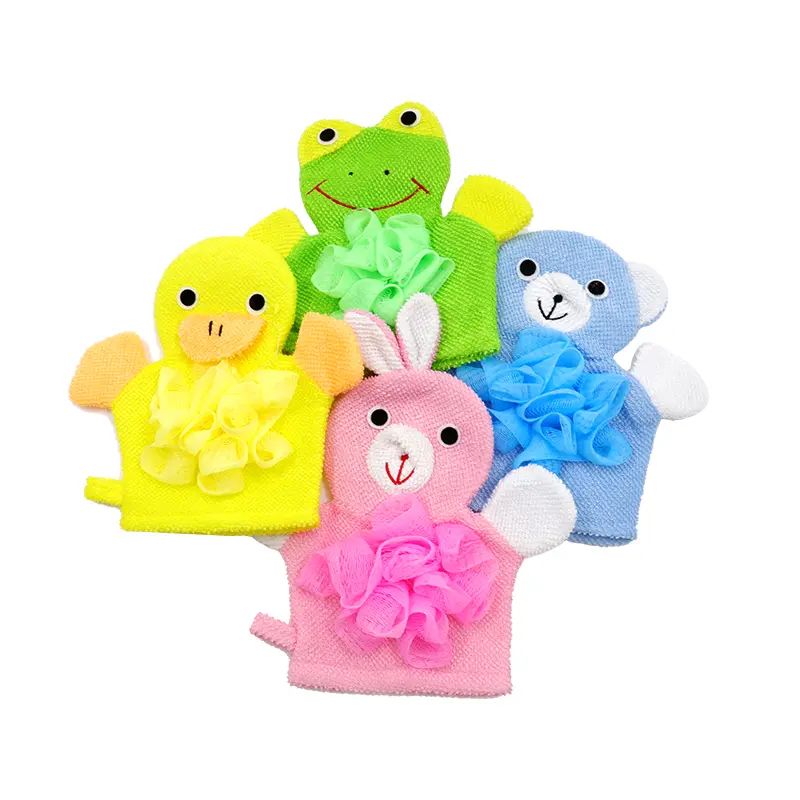
- Exfoliating gloves: Machine-washable and faster drying than sponges. A practical middle ground between a washcloth and a scrubbing sponge.
- Your hands: Dermatologists including those at the American Academy of Dermatology note that cleansing with hands and a good body wash is sufficient for most skin types and carries essentially zero bacterial accumulation risk.