
 English
The modern kitchen is equipped with a variety of specialized tools, from high-end ceramic skillets to traditional cast iron. However, the most critical tool for maintaining these investments is often the most overlooked: the Kitchen Clean Sponge. Choosing the wrong texture can be a costly mistake, leading to the permanent destruction of expensive non-stick surfaces.
1. The Engineering Behind the Kitchen Clean Sponge: Why Texture Matters
Every Kitchen Clean Sponge is a result of intentional material engineering designed to balance two conflicting goals: removing stubborn food residue and preserving the integrity of the surface being cleaned. To understand the “Non-Scratch vs. Abrasive” debate, we must first look at the fiber density and the bonding agents used in the manufacturing process.
The Composition of Abrasive Scouring Pads
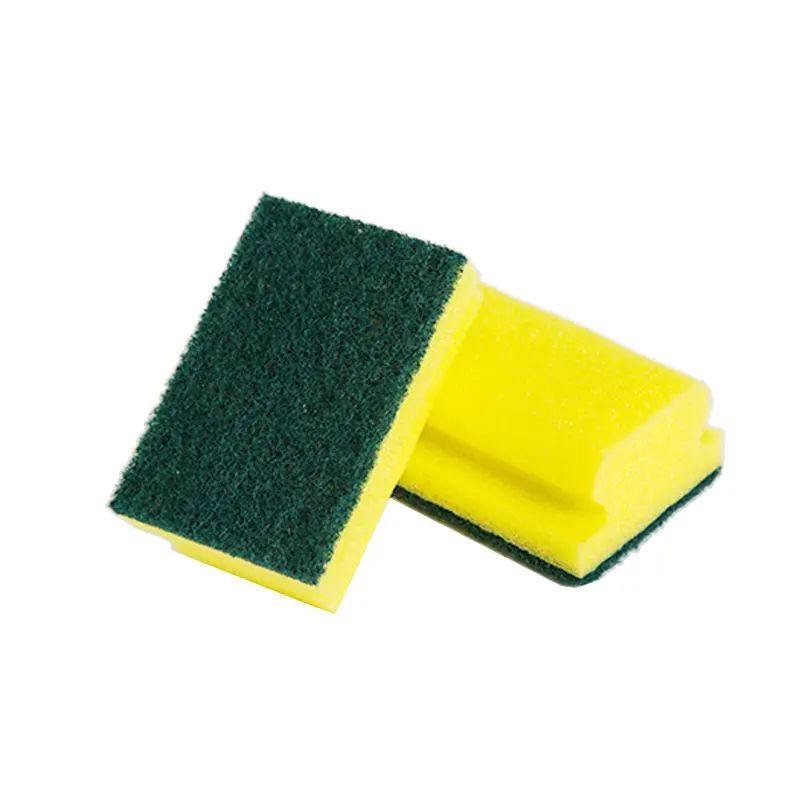
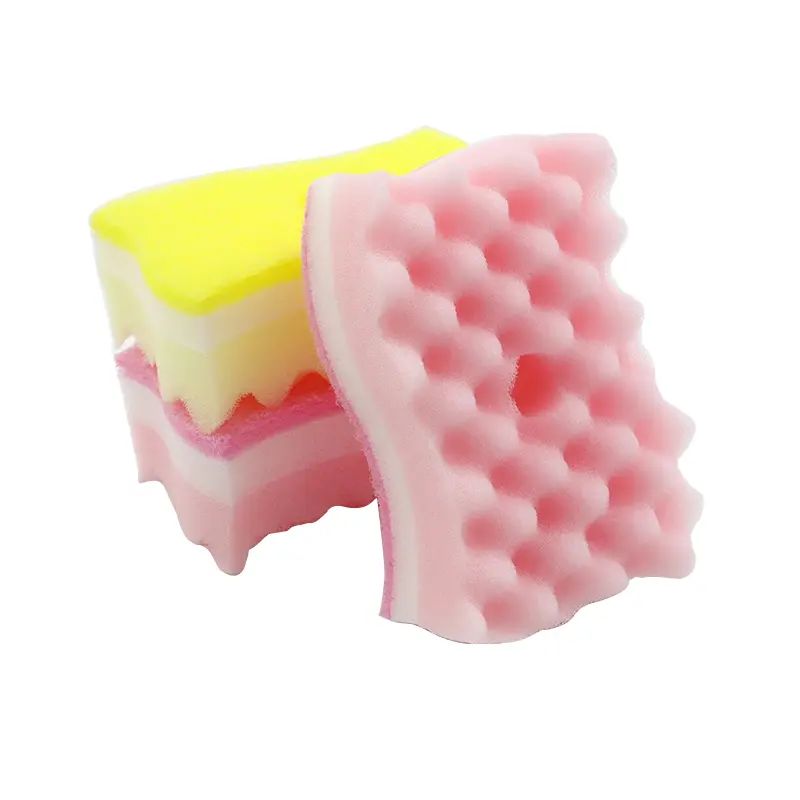
Standard abrasive sponges, frequently identified by their dark green scouring layer, are infused with hard particulate matter. These particles may include synthetic minerals or aluminum oxide grains embedded within a tough nylon web. When you apply pressure, these “micro-teeth” bite into the grease and carbonized food particles. While this is highly effective for heavy-duty restoration, the hardness of these minerals often exceeds the Mohs hardness of PTFE (Teflon) and ceramic coatings, leading to immediate surface scratching.
The Innovation of Non-Scratch Technology
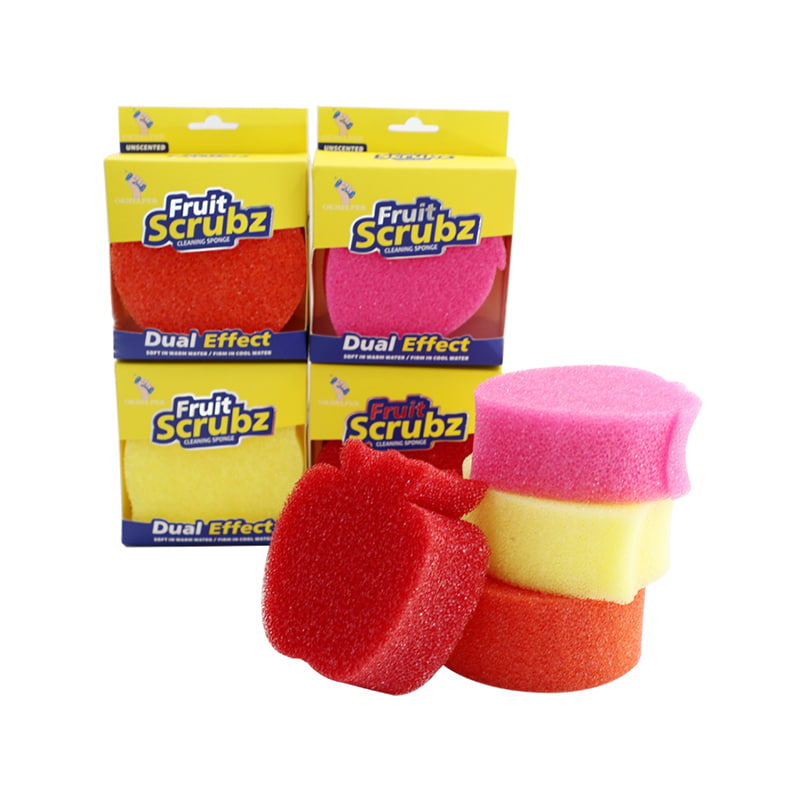
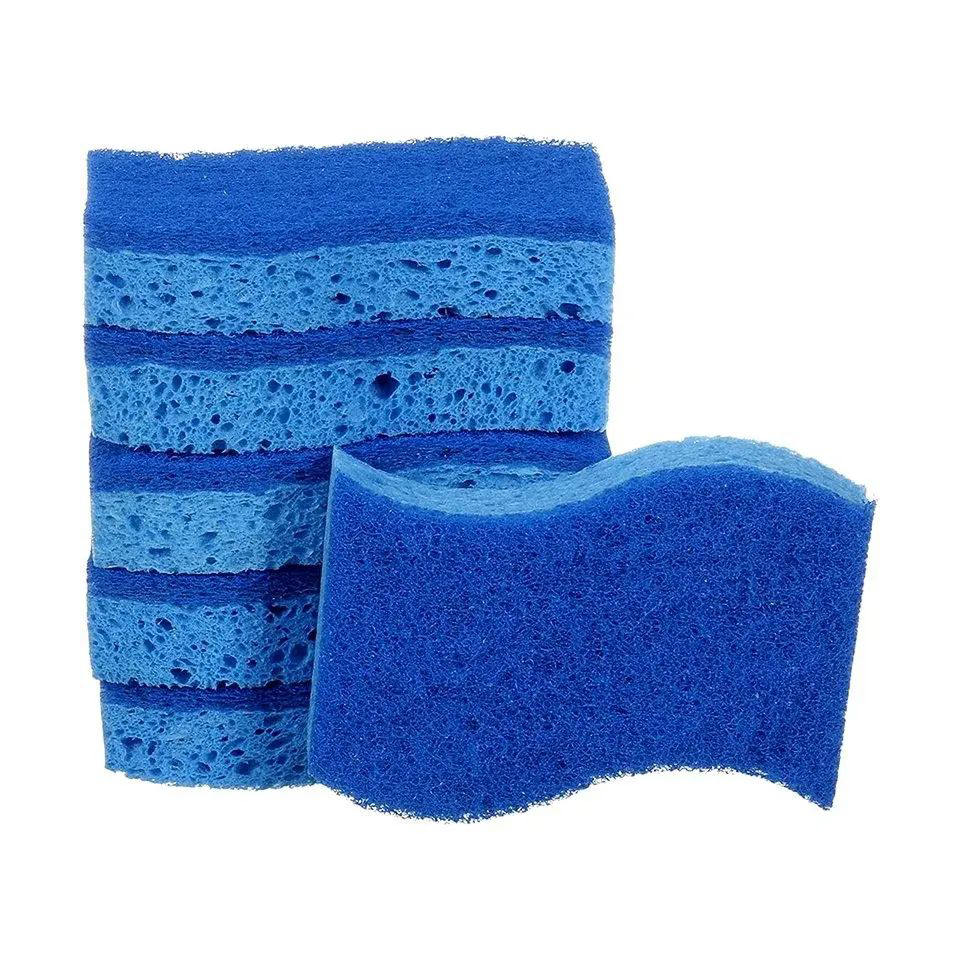
In contrast, a non-scratch kitchen clean sponge utilizes looped synthetic fibers—often polyester or specially treated nylon—that lack these sharp mineral infusions. These fibers are designed to be “pliable.” Instead of cutting through debris, they lift and roll it away. This makes them the ideal choice for modern kitchens where delicate cookware is the norm. For a corporate environment, offering high-quality non-scratch options is essential to cater to the growing market of premium cookware owners who prioritize “surface safety” and “coating longevity.”
2. Protecting Your Investment: The Impact on Non-Stick Coatings
Non-stick pans are prized for their convenience and health benefits, as they require less oil for cooking. However, the lifespan of a non-stick pan is directly tied to the health of its top layer. Using a high-abrasion Kitchen Clean Sponge on these surfaces can trigger a chain reaction of damage that goes beyond mere aesthetics.
The Dangers of Micro-Scratches
When an abrasive sponge is used on a non-stick surface, it creates thousands of microscopic grooves. While the pan might still look “okay” at first glance, these micro-scratches trap proteins and fats. The next time you cook, food bonds into these grooves, causing the very “sticking” you tried to avoid. Over time, this leads to “pitting” and “flaking,” which can release coating particles into your food—a significant concern for health-conscious consumers.
Maximizing Cookware Longevity with the Right Tools
Using a dedicated non-scratch sponge ensures that the “release properties” of your cookware remain intact for years rather than months. For businesses looking to provide value to their customers, educating them on the “Safe for Teflon” or “Ceramic-Friendly” labels found on premium sponges is a key differentiator. By matching the sponge’s abrasive level to the specific cookware material, you ensure a professional-grade clean without the risk of property damage.
3. Performance Comparison: Choosing the Right Tool for the Task
To help you optimize your cleaning efficiency, we have developed a comparison framework. Not every task requires a gentle touch, and knowing when to deploy an abrasive Kitchen Clean Sponge is just as important as knowing when to avoid it.
| Cleaning Task | Recommended Sponge Type | Surface Safety | Cleaning Efficiency |
|---|---|---|---|
| Non-Stick Skillets (PTFE/Ceramic) | Non-Scratch (Blue/Pink) | ⭐⭐⭐⭐⭐ (Excellent) | Moderate |
| Stainless Steel Stock Pots | Heavy-Duty Abrasive | ⭐⭐ (May leave swirls) | ⭐⭐⭐⭐⭐ (Fast) |
| Cast Iron Skillets | Abrasive or Chainmail | ⭐⭐⭐ (Safe if seasoned) | ⭐⭐⭐⭐ (Strong) |
| Glassware & Fine China | Ultra-Soft Non-Scratch | ⭐⭐⭐⭐⭐ (Excellent) | Low (Focus on suds) |
| Countertops (Quartz/Granite) | Non-Scratch Microfiber | ⭐⭐⭐⭐ (Safe for seals) | Moderate |
When “Heavy-Duty” is Necessary
There are scenarios where a non-scratch sponge simply won’t suffice. For example, the exterior bottom of a stainless steel pot often accumulates “heat tints” and burnt grease that require the sheer force of an abrasive scourer. In industrial food preparation, where speed is a KPI, high-abrasion tools are used on non-sensitive surfaces to ensure turnover remains high. The key is zonal cleaning: using the right tool for the right zone of the pan.
4. Hygiene, Maintenance, and Sustainability of Kitchen Sponges
A Kitchen Clean Sponge is more than just a scrubbing tool; it is a biological environment that requires careful management. Whether you choose abrasive or non-scratch, the way you maintain the tool determines its safety and effectiveness.
Managing the Biofilm and Bacteria
Because sponges are porous and frequently damp, they can become a reservoir for E. coli and Salmonella. A high-quality kitchen sponge should be designed with “quick-dry” technology—larger pores that allow for better airflow. For businesses, promoting sponges with antimicrobial treatments can be a significant selling point, as it reduces the development of the “sour sponge smell” caused by bacterial off-gassing.
Replacement Cycles and Environmental Impact
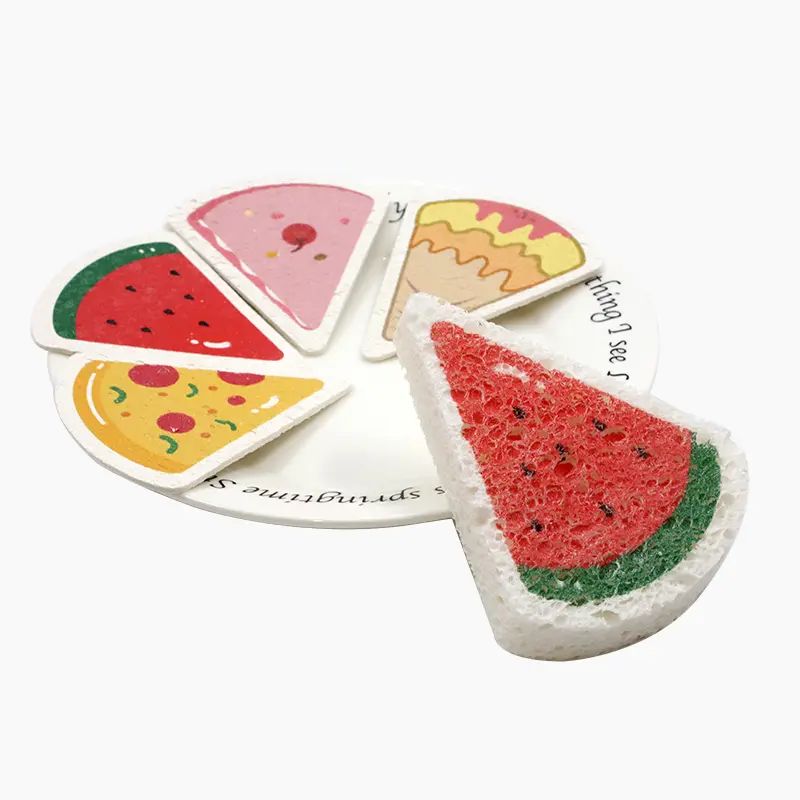
How often should you replace a Kitchen Clean Sponge? For optimal hygiene, the industry standard is every 2 to 3 weeks, or sooner if the scouring layer begins to delaminate. From a sustainability perspective, many companies are now moving toward biodegradable cellulose sponges that offer a non-scratch scrubbing surface made from natural agave or walnut shells. These “green” alternatives provide the same mechanical benefits as synthetic non-scratch sponges while reducing the plastic footprint of the kitchen.
FAQ: Expert Tips for Kitchen Sponge Selection
Q1: How can I tell if a sponge is non-scratch if the packaging is missing?
A: A simple “pinch test” can help. If the scouring fibers feel sharp or “prickly” to your thumb, it is likely an abrasive sponge. Non-scratch fibers usually feel smooth or like stiff fabric.
Q2: Can I use a non-scratch sponge on my glass stovetop?
A: Yes, non-scratch sponges are generally safe for glass-ceramic cooktops. However, always ensure the sponge is free of any trapped grit or crumbs from previous cleanings, as the debris itself can cause scratches.
Q3: Is it safe to put my kitchen sponge in the microwave to kill germs?
A: While common, this is only safe for 100% natural cellulose sponges. Synthetic sponges can melt or release fumes. A safer method is soaking in a 10% bleach solution or running it through a high-heat dishwasher cycle.
References and Citations
- National Sanitation Foundation (NSF): “Kitchen Hygiene and the Role of Cleaning Tools in Preventing Cross-Contamination” (2024).
- Consumer Reports: “Testing the Durability and Surface Safety of Non-Stick Cookware and Cleaning Accessories.”
- International Journal of Environmental Research and Public Health: “Microbial Dynamics in Household Cleaning Sponges: A Comparative Study.”