
 English
  日本語
日本語  Français
  русский
  Português
  Español
  عربى
عربى 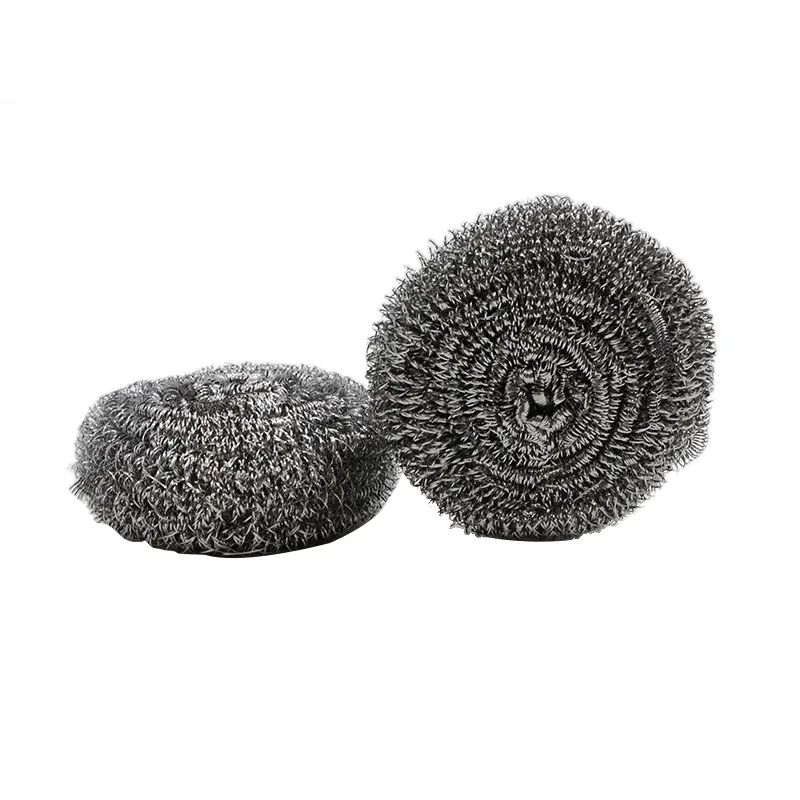
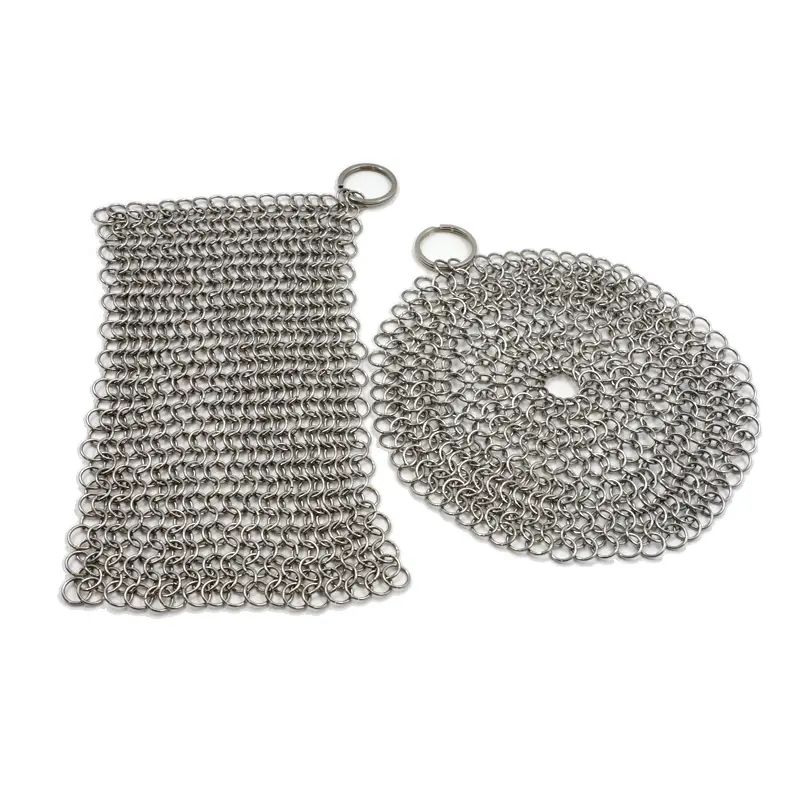
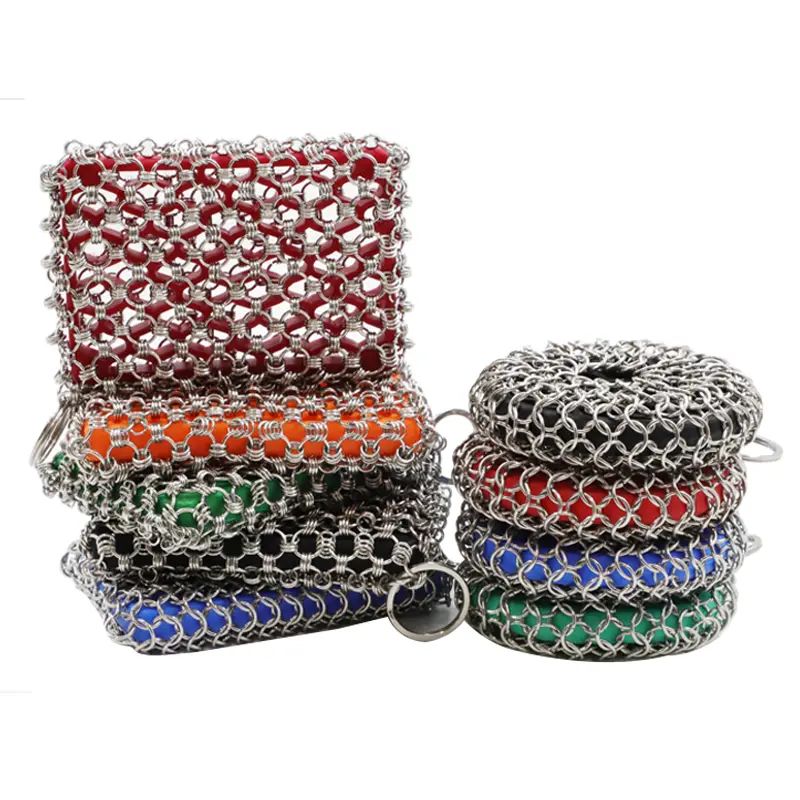
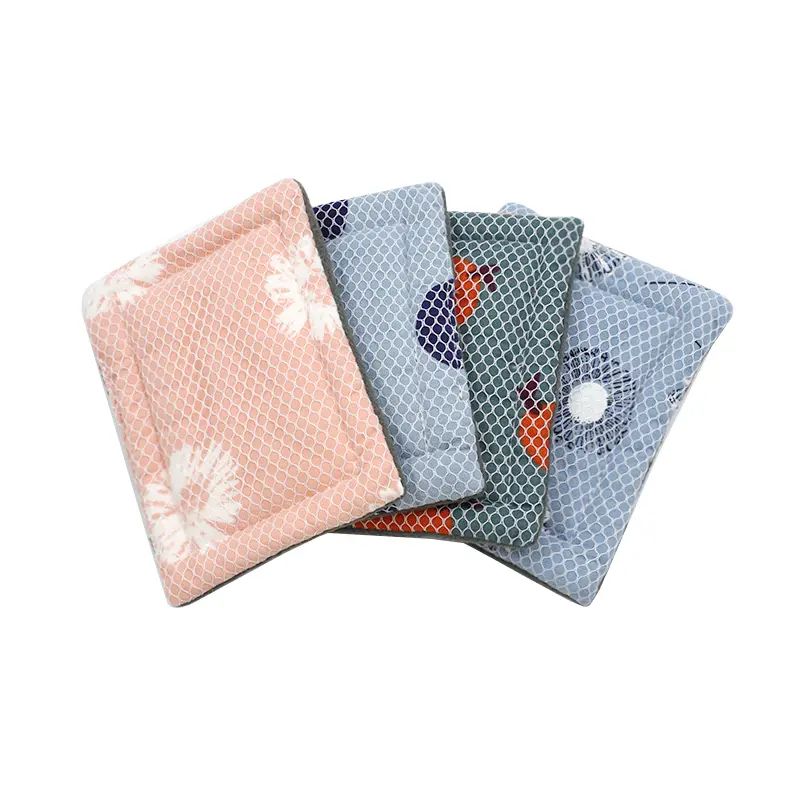
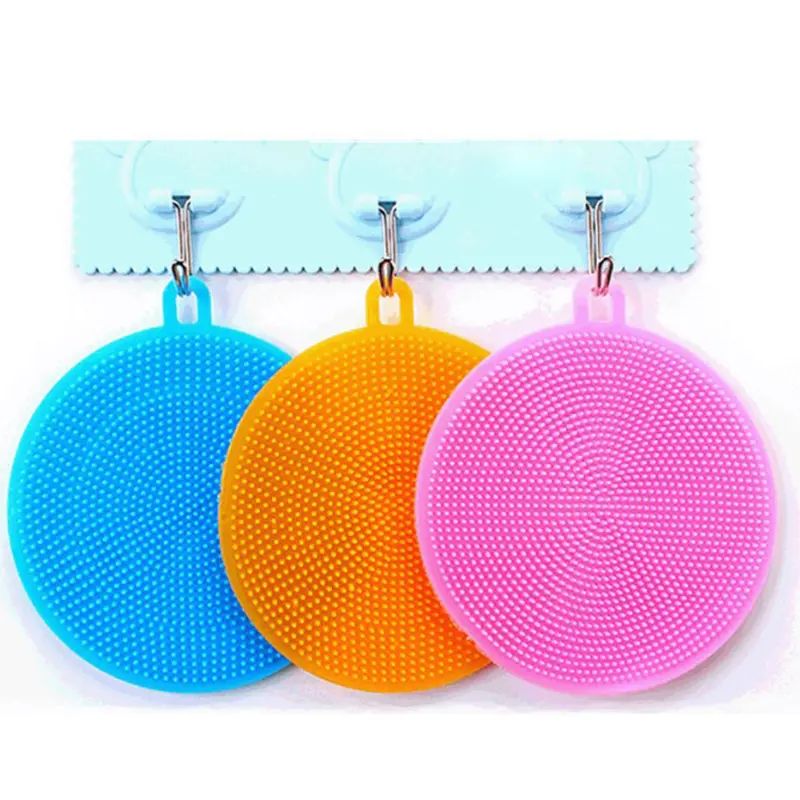
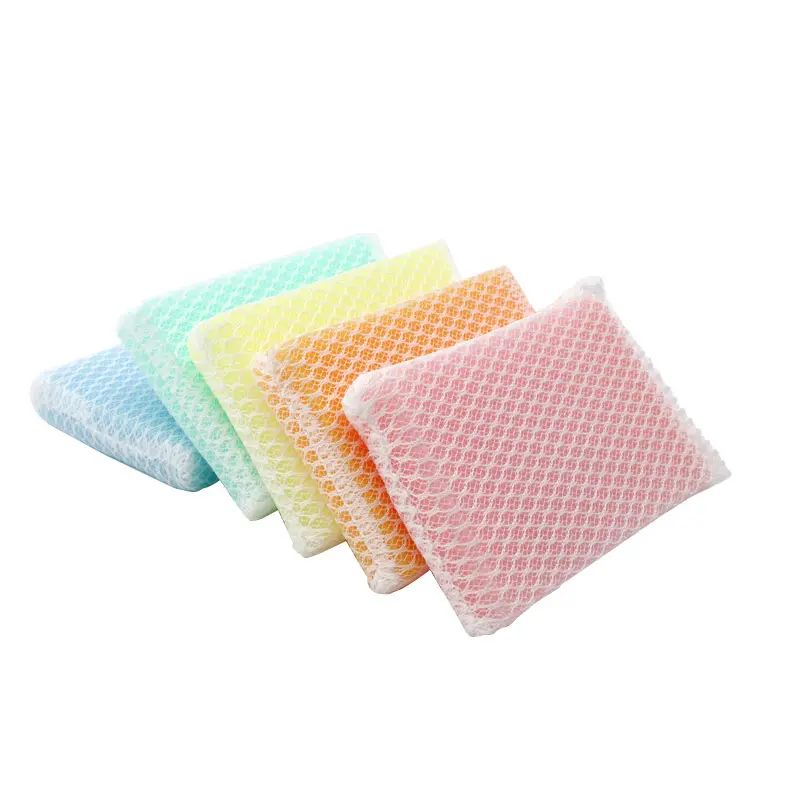
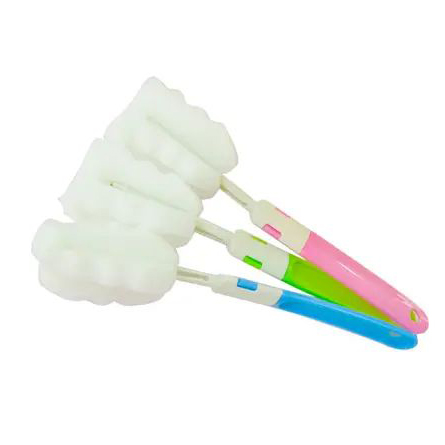
The best kitchen clean sponge is one that's replaced every 1 to 2 weeks and dries fully between uses — the material matters less than how often you change it. Studies from NSF International have repeatedly found the kitchen sponge to be one of the dirtiest items in the average home, often harboring...
READ MORE

Home / Products / Kitchen Clean Sponge / Sponge Scourer
Sponge Scourer Custom
About Us
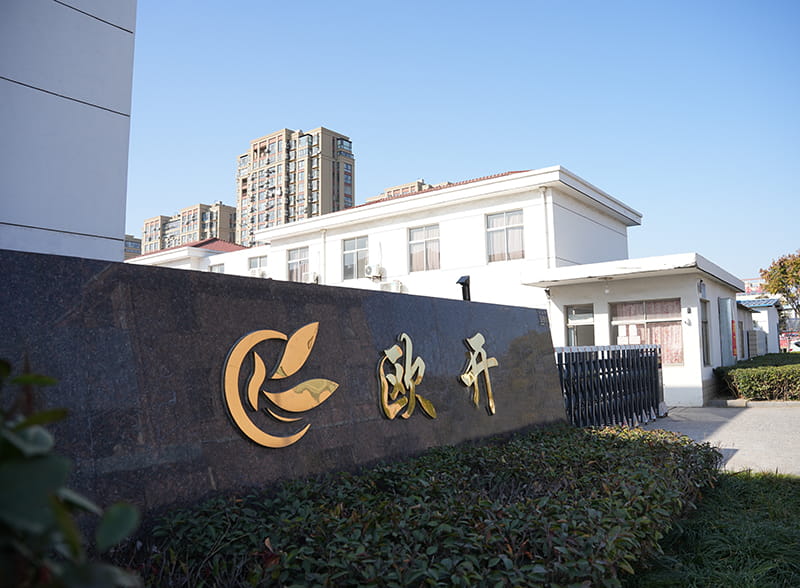
Yancheng Oukai Sponge Products Co., Ltd.
Yancheng Oukai Sponge Products Co., Ltd. was established in 2009 and covers an area of 10000 square meters.It is China Sponge Scourer Manufacturers and Wholesale Sponge Scourer Suppliers, Our company is located in Dafeng city. The traffic here is very convenient: only 40 kilometers from Yancheng Airport, and 30 kilometers from Dafeng Port. Our company will always follow the operation philosophy of "people-oriented, good faith, quality assurance " to provide high-quality sponge products for all clients both at home and abroad.
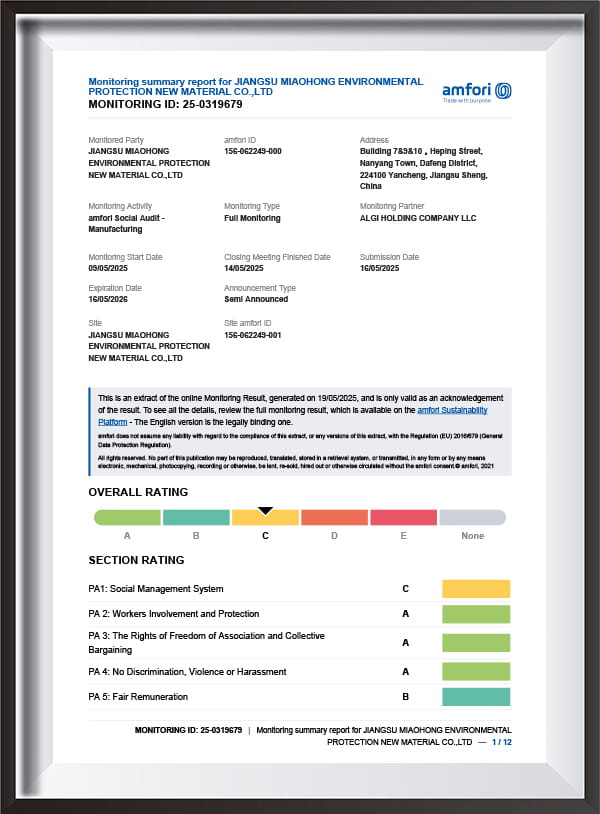
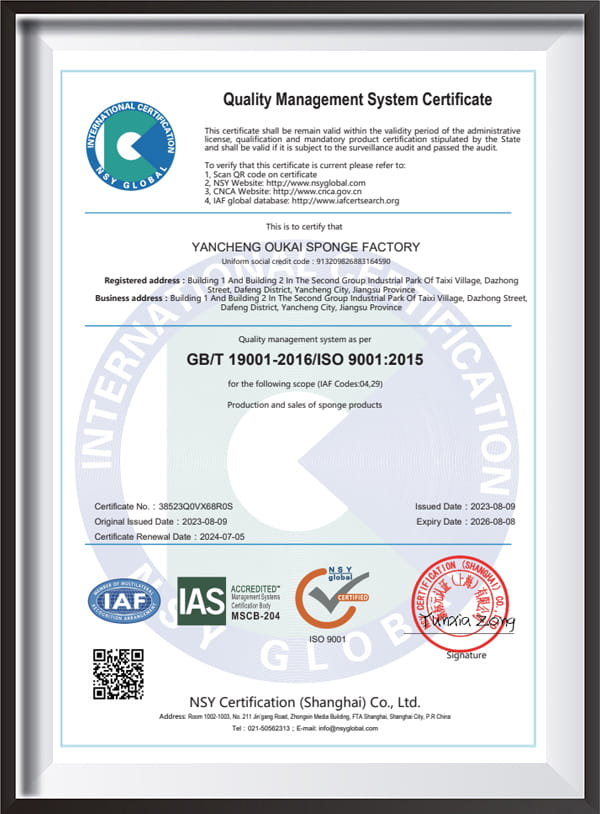
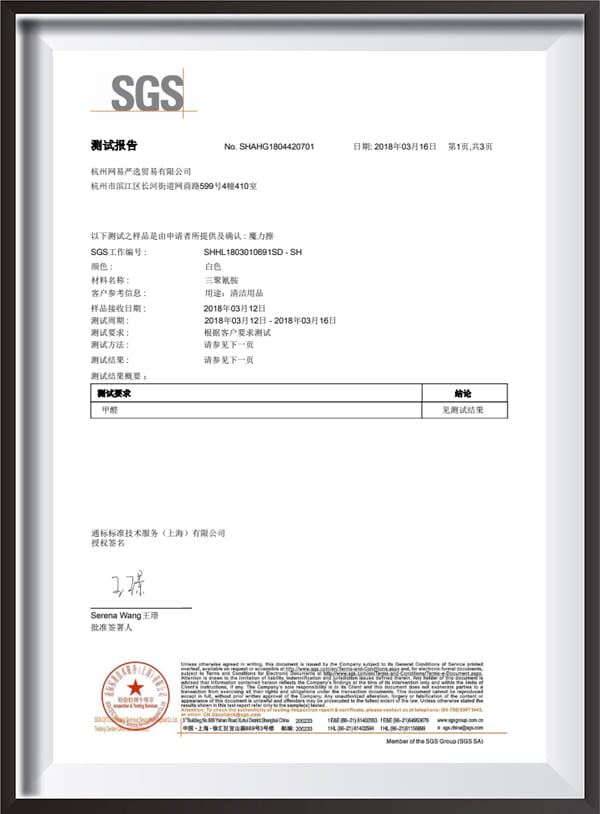
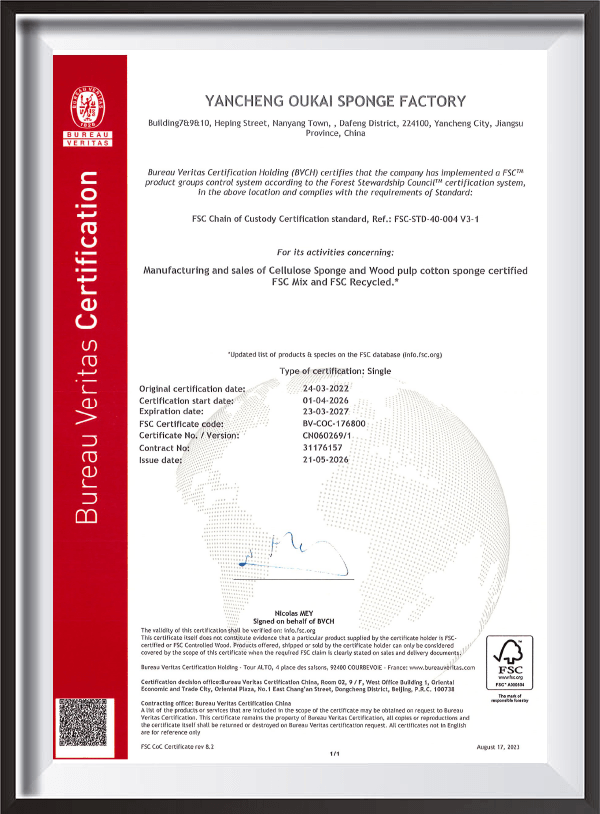
Our factory builds a unique processing and quality control system after a dozen years of exploration and practice. Our factory has already passed ISO 9001 quality and BSCI audits.
The company has developed more than 200 kinds of sponges, developed and produced more than 3000 kinds of sponge products, and created the Foamstar international trademark, to meet your diversified needs. The company mainly produces and sells the following products: Polyester, polyether sponge sponges (flame retardant sponge, filtration sponge, sound-absorbing sponge, anti-static sponge, seaweed cotton/coral sponge, slow rebound sponge, insulation, cleaning sponge, packing sponge), melamine sponge, wood pulp sponge (cellulose sponge), wood pulp cotton cloth, household cleaning (sponge, emery sponge, mesh cloth, microfiber cloth, cleaning brush, cleaning ball, garbage bags, plastic wrap, plastic bag), car cleaning, personal care products. Products continue to be sold to Japan, South Korea, the United States, Germany, Sweden, Britain, Canada, Australia, New Zealand, France, Italy, the Netherlands, Poland, Belgium, Spain, Russia, Chile, the United Arab Emirates, Brazil, Thailand and other more than 40 countries.
We have the advanced production equipment to meet the increasing demands of the market, as well as experienced designers and workers and a management system to help our products stand out from the others. We are a large-scale responsible factory, and the vast majority of our customers have given us a good reputation, We look forward to cooperating with you.
Certificate Of Honor
News
-
-
The best car washing sponge for most vehicles is a high-density natural sea sponge or a microfiber wash pad, not a synthetic foam sponge. Synthetic foam sponges trap grit against the paint and cause fine swirl marks, while natural sea sponges and microfiber pads release dirt particles instead of gr...
READ MORE -
With the Loong Boat Festival approaching, Yancheng Oukai Sponge Products Factory organized a warm employee welfare activity to distribute traditional Zongzi to all employees. This event aims to celebrate this traditional Chinese festival, enhance team cohesion, and express the company's gratitude to...
READ MORE
Industry knowledge
Deep Insight into the Sponge Scourer: The Secret of the Dual-Layer Structure
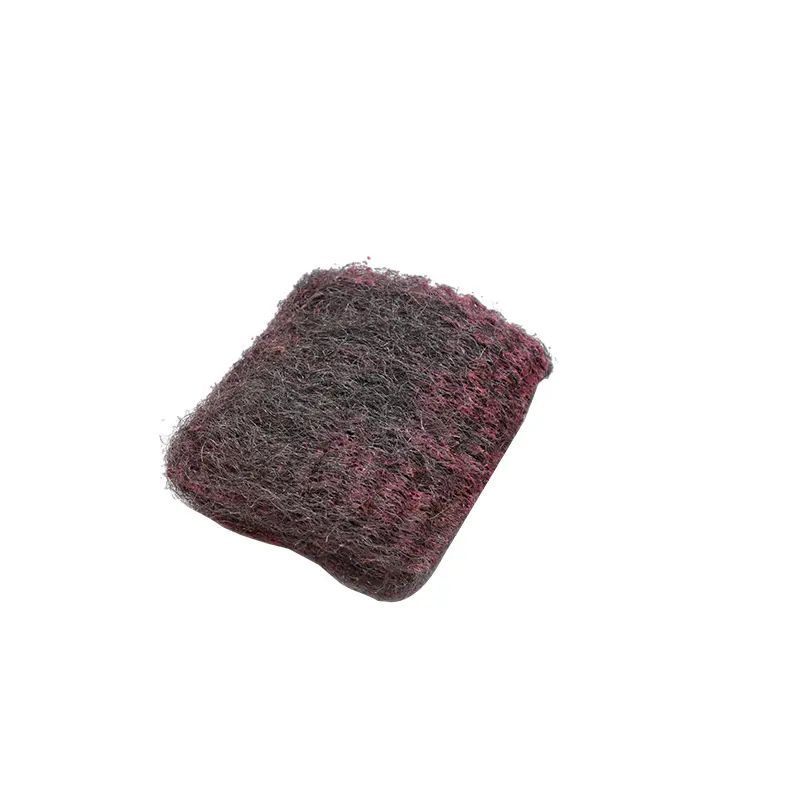
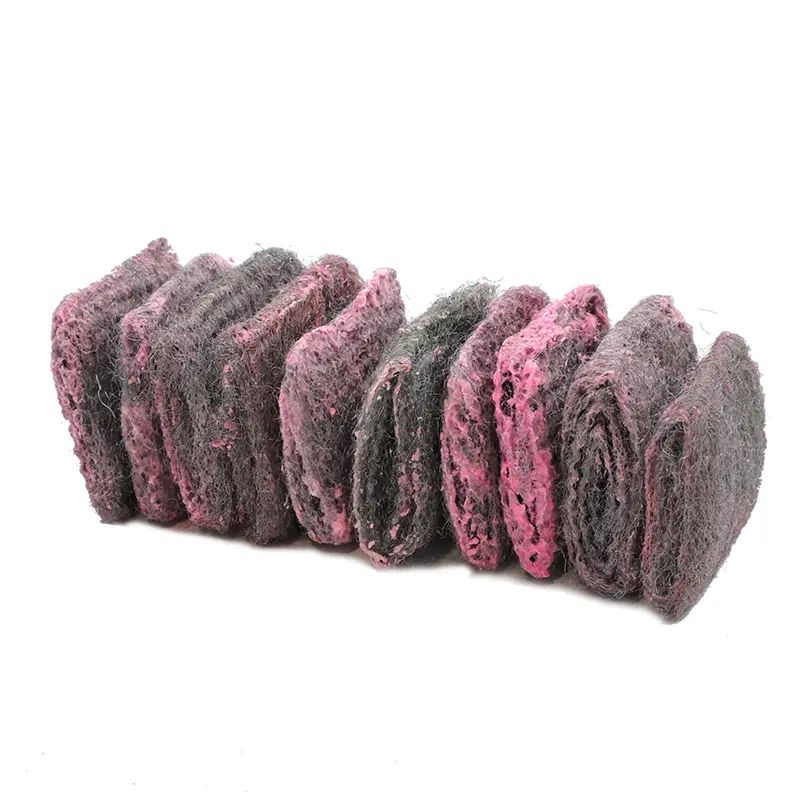
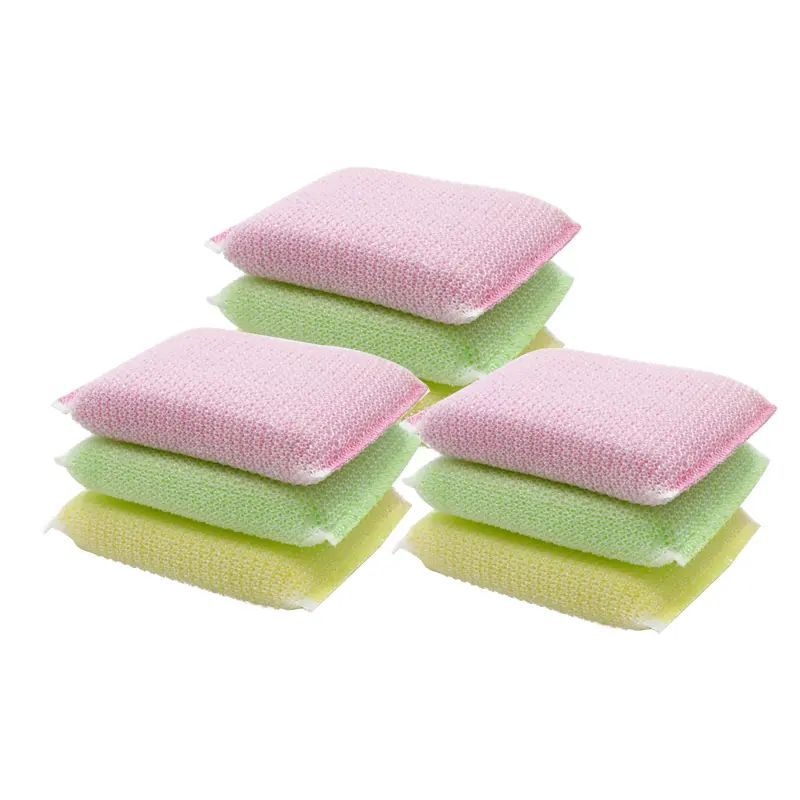
In the field of modern household and industrial cleaning, the Sponge Scourer has long become an indispensable multi-functional tool. Although it appears simple, it actually embodies sophisticated material engineering. A typical Sponge Scourer consists of two distinct layers: a soft sponge layer responsible for water absorption and foam generation, and a coarse scouring layer designed to remove stubborn stains.
This dual-layer synergy significantly improves cleaning efficiency. The sponge layer locks in a large amount of water and detergent, creating fine foam through compression to emulsify grease. Meanwhile, the scouring layer utilizes physical friction to dismantle burnt food residues or accumulated lime scale.
As an experienced manufacturing expert in the industry, Yancheng Oukai Sponge Products Co., Ltd. has been dedicated to optimizing the balance of this dual-layer structure since its establishment in 2009. Within its 10,000-square-meter modern production base, the company ensures that every Sponge Scourer achieves the golden ratio between softness and scouring power through deep R&D of raw materials like polyurethane (PU) and cellulose.
A Necessity for Modern Homes: Why the Sponge Scourer Remains Irreplaceable
Despite the widespread use of dishwashers, the Sponge Scourer maintains a high market share due to its flexibility:
Reachability: It can penetrate dead corners like the bottom of cups and pot handles that dishwashers cannot reach.
Immediacy: For cleaning a small number of dishes, manually using a Sponge Scourer is more energy-efficient and eco-friendly.
Versatility: It is not limited to dishwashing but is also capable of cleaning kitchen countertops, bathroom tiles, and even outdoor furniture.
Material Depth Dissection: What is Your Sponge Scourer Made Of?
Understanding the core materials of a Sponge Scourer is key to evaluating its quality. Yancheng Oukai Sponge Products Co., Ltd. has established a unique quality control system through over a dozen years of exploration, developing more than 200 types of sponges to meet global market standards.
Comparison of Absorbent Layer Materials
The base of a Sponge Scourer is mainly divided into polyester/polyether sponge and natural wood pulp sponge.
| Parameter | PU Sponge | Cellulose Sponge |
| Composition | Polyester or Polyether (Synthetic) | Natural wood pulp fiber (Bio-based) |
| Water Absorption | 10-15 times its own weight | 20-30 times its own weight |
| Drying Speed | Slower | Extremely fast (Hardens when dry to inhibit bacteria) |
| Durability | High, hard to tear | Easier to tear, should not be wrung out forcefully |
| Application | Heavy oil, general-purpose cleaning | High-end tableware, mirrors, lab equipment |
Hardness Levels of the Scouring Pad
The cleaning power of the scouring layer depends on the density of the fibers and the proportion of mineral particles (such as emery). The Sponge Scourer produced by Yancheng Oukai Sponge Products Co., Ltd. strictly follows ISO 9001 quality standards to ensure a firm bond between the scouring layer and the sponge layer.
Heavy-Duty: Contains a high proportion of hard minerals, usually appearing dark green. This Sponge Scourer is specifically designed for carbonized residues on cast iron pans.
General Purpose: Features moderate fiber hardness, suitable for cleaning common ceramic bowls and plates.
Non-Scratch: Uses special synthetic fibers without metal or hard minerals, making it an ideal partner for Teflon non-stick pans and plastic containers.
Protection via Advanced Production Technology
A high-quality Sponge Scourer should not experience delamination after a few uses. Yancheng Oukai Sponge Products Co., Ltd. utilizes advanced composite production equipment, ensuring structural integrity through heat-pressing or eco-friendly adhesive technology. Furthermore, the factory has passed BSCI audits, ensuring all production processes meet international environmental and labor standards.
Currently, these high-quality Sponge Scourer products are sold to over 40 countries, including the USA, Germany, Sweden, and Japan. Whether it is the cellulose series for extreme absorption or the emery series for special stains, the Foamstar international trademark has become synonymous with high-quality cleaning tools.
How to Choose the Right Sponge Scourer for Different Surfaces?
In complex modern home environments, surface hardness and coating characteristics vary greatly. Choosing the wrong Sponge Scourer can damage expensive cookware coatings. Yancheng Oukai Sponge Products Co., Ltd. has optimized its product line based on experience in producing over 3,000 types of sponge products.
Heavy-Duty Cleaning for Metal and Cast Iron
For uncoated cast iron pots, stainless steel baking sheets, or range hood filters, a Sponge Scourer with a high abrasive coefficient is required.
Features: The scouring layer usually contains a high concentration of emery particles.
Advantages: The heavy-duty series from Yancheng Oukai Sponge Products Co., Ltd. quickly strips away carbonized food residues, reducing physical effort.
Non-Scratch Solutions for Sensitive Surfaces
Non-stick pans, fine ceramics, and glassware are easily scratched by hard fibers.
Features: Uses soft polyester fibers or special mesh structures.
Application: This Sponge Scourer provides friction while protecting the object's surface through physical cushioning.
Multi-functional Balanced Cleaning
For daily dishwashing tasks, a balanced Sponge Scourer combining medium-density sponge and resilient scouring fiber is the preferred choice.
| Application Scene | Recommended Hardness | Sponge Material | Cleaning Power (1-10) | Non-Scratch |
| Cast Iron/Grill | Very High (Emery) | High-density Polyether | 9 - 10 | No |
| Ceramic Tableware | Medium | Standard PU Sponge | 6 - 7 | Depends |
| Non-stick Pans | Low (Soft Fiber) | Cellulose Sponge | 3 - 4 | Yes |
| Glass/Delicate | Very Low (Microfiber) | Slow Rebound Sponge | 2 - 3 | Yes |
Scientific Cleaning: Professional Tips to Improve Sponge Scourer Efficiency
Correct habits can make cleaning twice as effective and extend the life of your Sponge Scourer.
Activating the "Micro-foam Effect"
Yancheng Oukai Sponge Products Co., Ltd. focuses on the porosity of the sponge during production. Before use, fully submerge the Sponge Scourer in warm water, wring it out, and then add detergent. Kneading the sponge layer creates fine foam that emulsifies oil more effectively than large bubbles.
Dry vs. Wet Strategies
Wet Use: Suitable for most tasks where water acts as a lubricant.
Dry Use: For light scale on stainless steel sinks, using the scouring side of a dry Sponge Scourer provides more direct physical cutting power.
Pressure Application Skills
When dealing with stubborn stains, focus on the contact surface of the scouring layer rather than blindly squeezing the sponge. The compact design of the Sponge Scourer from Yancheng Oukai Sponge Products Co., Ltd. ensures that pressure is transmitted uniformly to the stain point without delamination.
The "Zoning Principle" to Avoid Cross-Contamination
Yancheng Oukai Sponge Products Co., Ltd. suggests implementing color-coded management:
Green/Yellow: For food-contact tableware only.
Blue: For kitchen countertops and sinks.
Pink/Red: For bathrooms and non-food areas.
Hygiene and Maintenance: Breaking the Myth of the "Bacterial Breeding Ground"
The porous structure of a Sponge Scourer can trap food residues and moisture. Yancheng Oukai Sponge Products Co., Ltd. reduces bacterial colonization by optimizing the hydrophobicity and breathability of the sponge.
The Reality of Bacterial Growth
To maintain kitchen hygiene, break the old habit of "using it until it falls apart."
Standards for Hygiene Maintenance
Thorough Rinsing: Rub and rinse away hidden particles after every use.
Physical Dehydration: Squeeze out excess water. The high-density sponge from Yancheng Oukai Sponge Products Co., Ltd. has excellent resilience and recovers its shape instantly.
Vertical Storage: Stand the Sponge Scourer vertically on a ventilated rack to accelerate drying.
Scientific Replacement Frequency
| Frequency | Replacement Cycle | Risk Level | Signs of Wear |
| High (3+ meals/day) | 1 - 2 Weeks | Very High | Scouring side sheds, odor |
| Medium (1 meal/day) | 3 - 4 Weeks | Moderate | Efficiency drops, discoloration |
| Low (Occasional) | 1 - 2 Months | Low | Fiber aging, reduced absorption |
Miraculous Uses of the Sponge Scourer Beyond the Kitchen
Bathroom and Tile Specialist
The scouring layer of the Sponge Scourer easily wipes away soap scum on tiles. The filtration sponge layer developed by Yancheng Oukai Sponge Products Co., Ltd. can also trap hair and debris.
Water Management for Gardening
Place a trimmed old Sponge Scourer at the bottom of a flowerpot. It absorbs excess water and releases it slowly back into the soil during dry periods.
Emergency Repair for Clothing and Shoes
Removing Fuzz: Use the dry scouring side of a Sponge Scourer to gently rub pilling sweaters.
Sneaker Renewal: Use the melamine sponge composite from Yancheng Oukai Sponge Products Co., Ltd. with water to erase scuffs on white shoe edges.
Precision Rust Removal
In the tool room, the scouring layer can remove surface rust from metal tools when used with lubricant, while the sponge side applies protective oil.
Purchasing Guide: How to Identify a High-Quality Sponge Scourer
Yancheng Oukai Sponge Products Co., Ltd., an ISO 9001 and BSCI certified factory, suggests evaluating products via three dimensions:
Density and Resilience Test
Forcefully squeeze the sponge. High-quality polyether sponges produced by Yancheng Oukai Sponge Products Co., Ltd. will recover instantly without leaving finger marks, indicating a uniform pore structure.
Stability of Bonding Strength
Modern production lines use heat-melt composites or high-strength eco-friendly adhesives to ensure the Sponge Scourer does not delaminate during its life cycle.
Mineral Content in Scouring Fiber
Check for color uniformity on the scouring side. Uneven color indicates inconsistent mineral coating, which may scratch tableware.
FAQ:
Q1: Why does my Sponge Scourer develop an odor quickly?
Odors come from bacteria metabolic waste in damp environments. We recommend choosing quick-drying cellulose or polyether sponges from Yancheng Oukai Sponge Products Co., Ltd. and ensuring they are wrung dry.
Q2: Can all Sponge Scourers be disinfected in the microwave?
No. Sponge Scourers containing metal wires are strictly prohibited in microwaves. Pure synthetic or sponge products must be thoroughly wet and heated for 1 minute on medium.
Q3: Does the color of the scouring side represent specific hardness?
Usually, green is heavy-duty, blue is non-scratch, and white/pink is ultra-soft. Yancheng Oukai Sponge Products Co., Ltd. follows these industry-standard color codes.
Q4: How to determine if a Sponge Scourer is eco-friendly?
Traditional PU sponges are plastic. For an eco-friendly choice, choose the Cellulose Sponge series from Yancheng Oukai Sponge Products Co., Ltd., which is biodegradable and made from natural fibers.
Q5: Where should detergent be applied?
Apply it to the sponge side. The porous structure acts as a "reservoir," creating micro-bubbles that then penetrate the scouring layer to assist in cleaning.
Yancheng Oukai Sponge Products Co., Ltd. is located in Dafeng City, just 40km from Yancheng Airport. We follow the philosophy of "people-oriented, good faith, quality assurance" to provide high-quality products for clients worldwide, featuring the Foamstar trademark and a range of over 3,000 sponge products. The factory covers 10,000 square meters and has a proven track record of exporting to over 40 countries including Japan, USA, Germany, and more.
-

Contact Information
No. 5 Heping Street, Nanyang Town, Dafeng District, Yancheng City, Jiangsu Province +8615195163208
-
CONTACT US

Copyright © Yancheng Oukai Sponge Products Co., Ltd. All Rights Reserved.
Custom Sponge Scourer Suppliers
