
 English
  日本語
日本語  Français
  русский
  Português
  Español
  عربى
عربى 
The best kitchen clean sponge is one that's replaced every 1 to 2 weeks and dries fully between uses — the material matters less than how often you change it. Studies from NSF International have repeatedly found the kitchen sponge to be one of the dirtiest items in the average home, often harboring more bacteria than a toilet seat, simply because it stays damp and warm for hours at a time. If you take one thing from this guide, it's this: a sponge's cleaning power has an expiration date, and that date arrives faster than most people think.
Below, we cover the different sponge types available, which materials resist bacteria best, how to disinfect a sponge properly, and exactly when to throw one out.
Why Kitchen Sponges Get Dirty So Fast
A kitchen sponge is the perfect environment for bacterial growth: it's porous, stays moist, and is repeatedly exposed to food particles, oils, and warm water. Microbiologists have found that a single sponge can contain over 50 billion bacterial cells per cubic centimeter after just one week of normal use — a density higher than almost any other household surface.
The sponge's open-cell structure that makes it good at absorbing water and lifting grease is the same structure that traps bacteria deep inside, where rinsing alone can't reach. This is why washing a sponge under the tap after each use only removes surface debris, not the colonies living inside it.
Types of Kitchen Sponges Compared
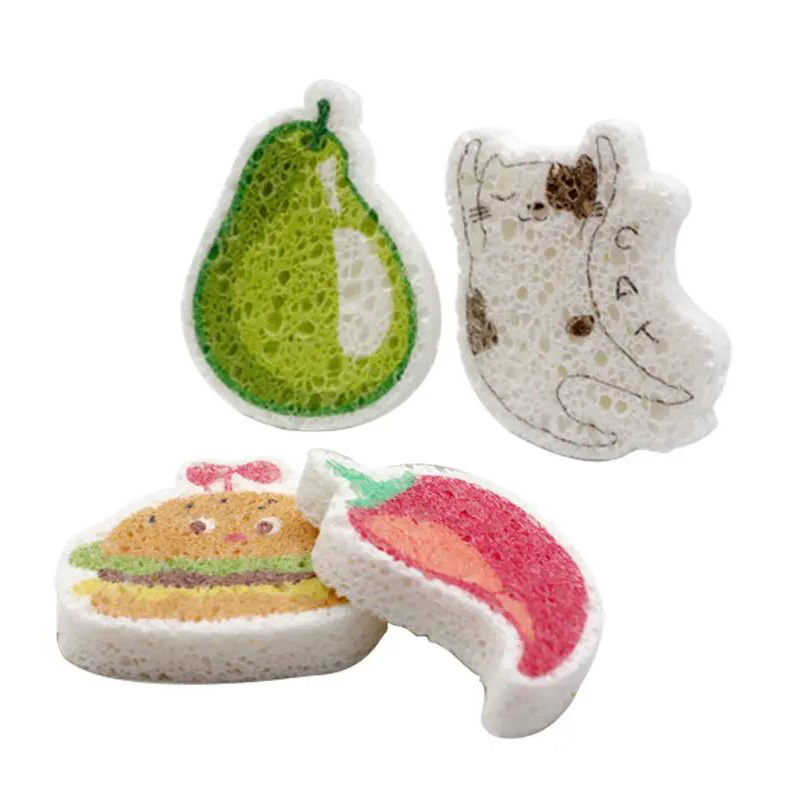
Different sponge materials hold onto moisture and bacteria differently. Here's how the most common kitchen sponge types compare.
| Sponge Type | Bacteria Risk | Dry Time | Replace Every | Best For |
|---|---|---|---|---|
| Cellulose Sponge | High | Slow | 1–2 weeks | General dishwashing |
| Natural Loofah | Medium | Fast | 3–4 weeks | Light cleaning, eco-conscious homes |
| Silicone Sponge | Very Low | Instant | 6+ months | Allergy-prone or humid households |
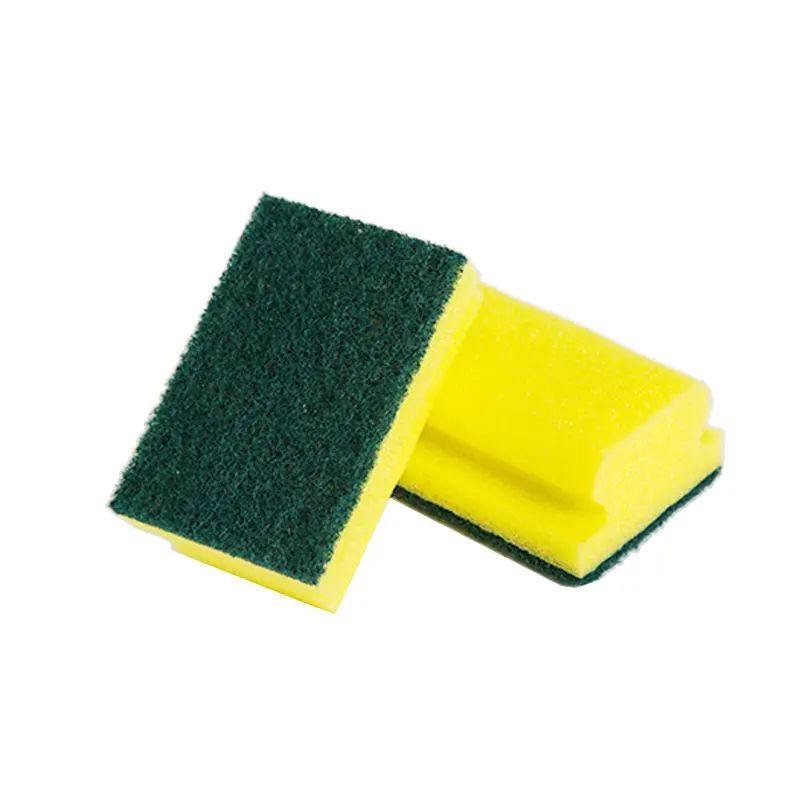
| Non-Scratch Scrub Sponge | High | Slow | 1–2 weeks | Non-stick pans, delicate cookware |
Materials That Stay Cleaner Longer
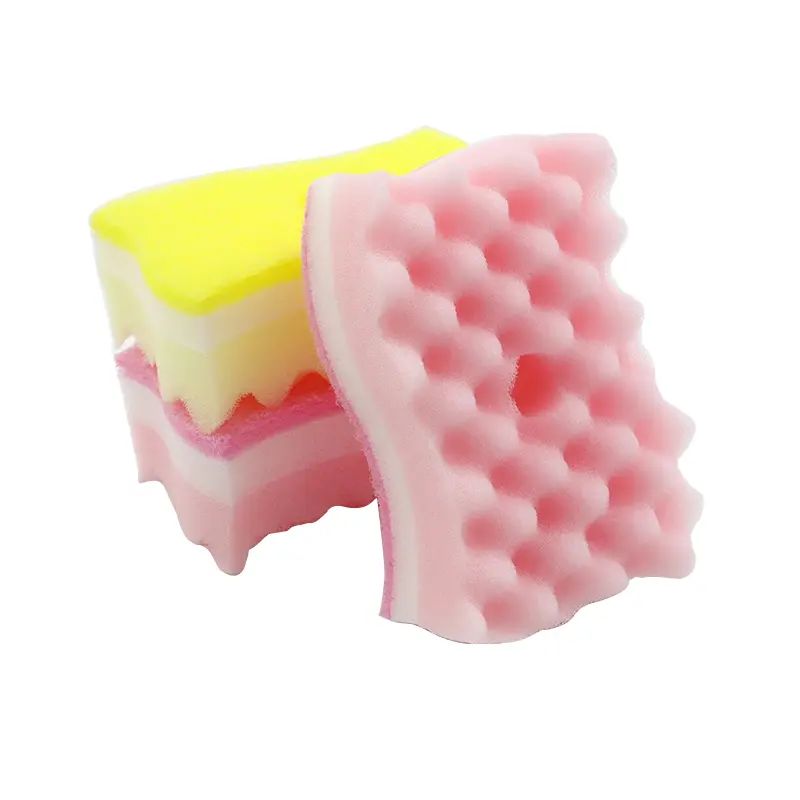
Cellulose Foam
The most common kitchen sponge material, made from plant fiber. It absorbs water well, which makes it effective for scrubbing, but that same absorbency means it stays damp for hours after use, creating ideal conditions for bacterial growth.
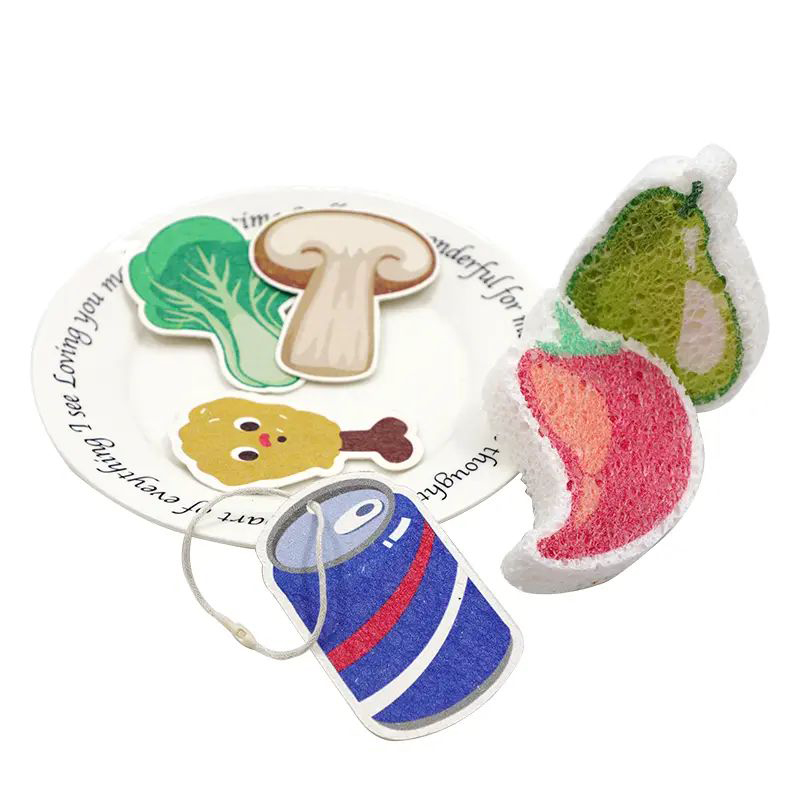
Natural Loofah
Made from a dried plant fiber, loofah has a coarser, more open structure that drains and dries faster than cellulose foam. It's naturally biodegradable, making it a popular choice for eco-conscious kitchens, though it's less effective on baked-on grease.
Silicone
Silicone sponges have a non-porous surface, meaning bacteria has nowhere to hide and embed. They dry almost instantly and can be sanitized in boiling water or the dishwasher repeatedly without breaking down, making them the most hygienic long-term option.
Non-Scratch Scrub Pads
These combine a foam base with a textured scouring layer. The textured side is good for stuck-on food, but the foam backing retains moisture just like standard cellulose sponges, so the same replacement schedule applies.
How to Disinfect a Kitchen Sponge
Disinfecting extends a sponge's usable life between replacements, but it doesn't eliminate the need to replace it. Here are the methods that actually reduce bacteria, based on research from food safety studies:
- Microwave method: Wet the sponge thoroughly and microwave for 1–2 minutes. This has been shown to kill up to 99% of bacteria, but only works on sponges with no metal scouring layer.
- Boiling method: Submerge the sponge in boiling water for 3–5 minutes. Effective and safe for all sponge types, including those with scrub pads.
- Dishwasher method: Run the sponge through a full hot cycle with heated dry. Convenient, but slightly less effective than boiling or microwaving against deep bacterial colonies.
- Bleach soak: Soak in a diluted bleach solution (3/4 cup bleach per gallon of water) for 5 minutes, then rinse thoroughly. Effective, but not recommended for sponges used near food without a thorough final rinse.
After disinfecting, always wring out the sponge and let it dry standing upright in open air rather than laying flat in the sink, since trapped moisture is the main driver of regrowth.
When to Replace Your Sponge (Don't Wait for These Signs)
- A sour or musty smell that returns shortly after disinfecting.
- Visible mold spots, usually appearing as dark specks inside the pores.
- A slimy texture even after rinsing and squeezing thoroughly.
- Frayed edges or crumbling foam that leaves residue on dishes.
- It's been used after contact with raw meat, poultry, or eggs without immediate disinfection.
As a general rule, replace cellulose and scrub sponges every 1 to 2 weeks, loofahs every 3 to 4 weeks, and silicone sponges every 6 months or when they show physical damage.
Smart Habits That Reduce Bacteria Between Replacements
- Keep a separate sponge for raw meat surfaces and one for general dishes.
- Store the sponge in a holder that allows air circulation, not inside a closed container.
- Disinfect at least 2–3 times per week, not just at the end of its life.
- Avoid using the same sponge on countertops and dishes without rinsing in between.
Quick Buying Checklist
- Choose silicone for the lowest bacteria risk and longest lifespan.
- Buy cellulose or loofah sponges in multi-packs so replacement is never delayed.
- Keep at least two sponges in rotation: one for dishes, one for raw food surfaces.
- Avoid sponges that stay visibly wet for more than a few hours after use.