
 English
  日本語
日本語  Français
  русский
  Português
  Español
  عربى
عربى 
The real difference between cellulose and synthetic foam sponges comes down to origin and biodegradability, not cleaning performance — cellulose sponges are made from natural wood pulp fibers and break down in months, while synthetic foam sponges are made from petroleum-based polyurethane and can take decades to centuries to decompose. Both clean dishes effectively, but they differ significantly in absorbency, durability, odor resistance, and environmental impact.
Below, we break down exactly how these two materials compare, where each one performs best, and which one makes sense for your kitchen.
What Each Sponge Is Actually Made Of
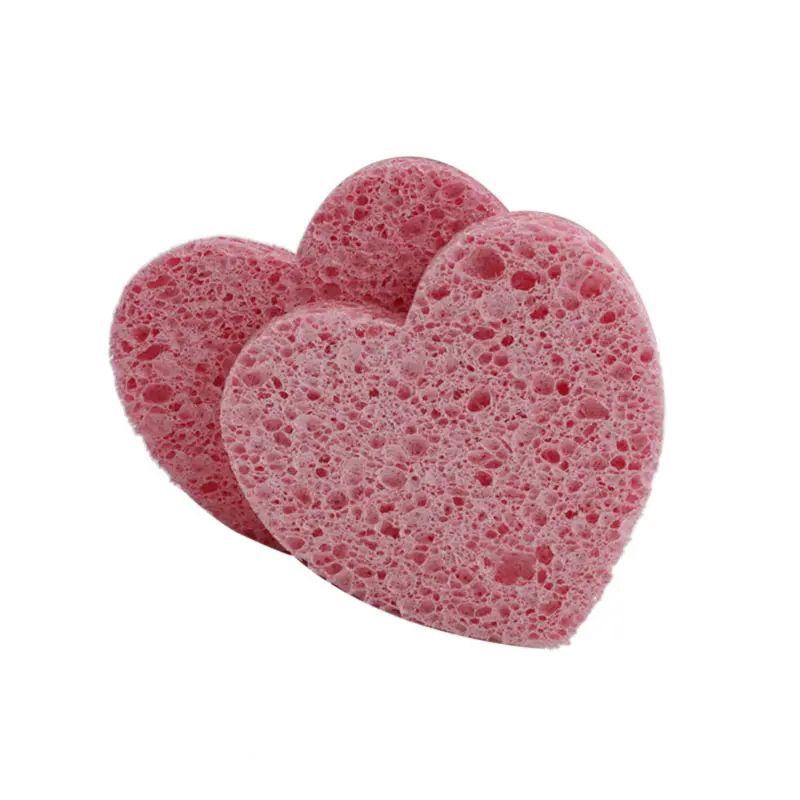
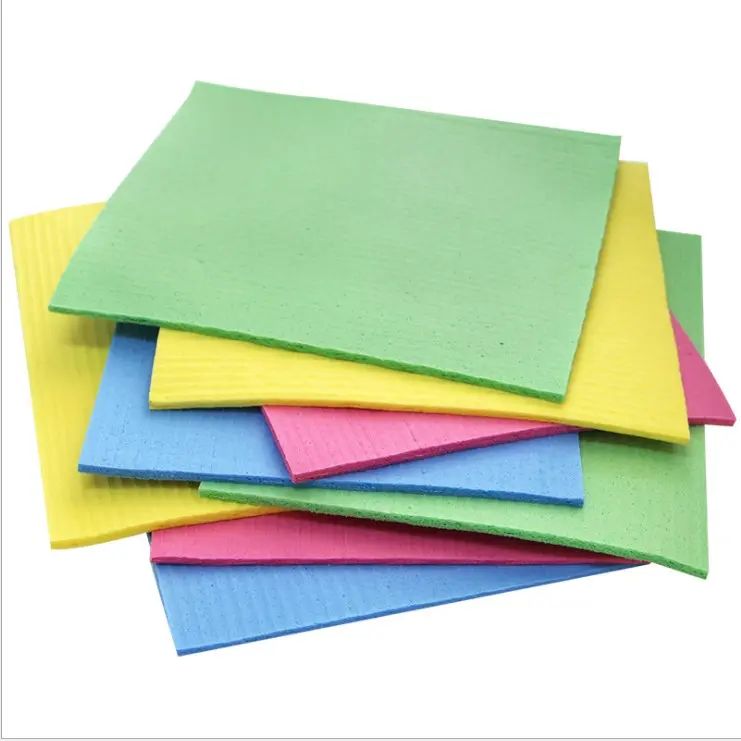
A cellulose sponge is manufactured from regenerated wood pulp fiber, often blended with cotton, then processed into a porous, absorbent structure. It's the same base material used in products labeled "compostable" or "plant-based" sponges.
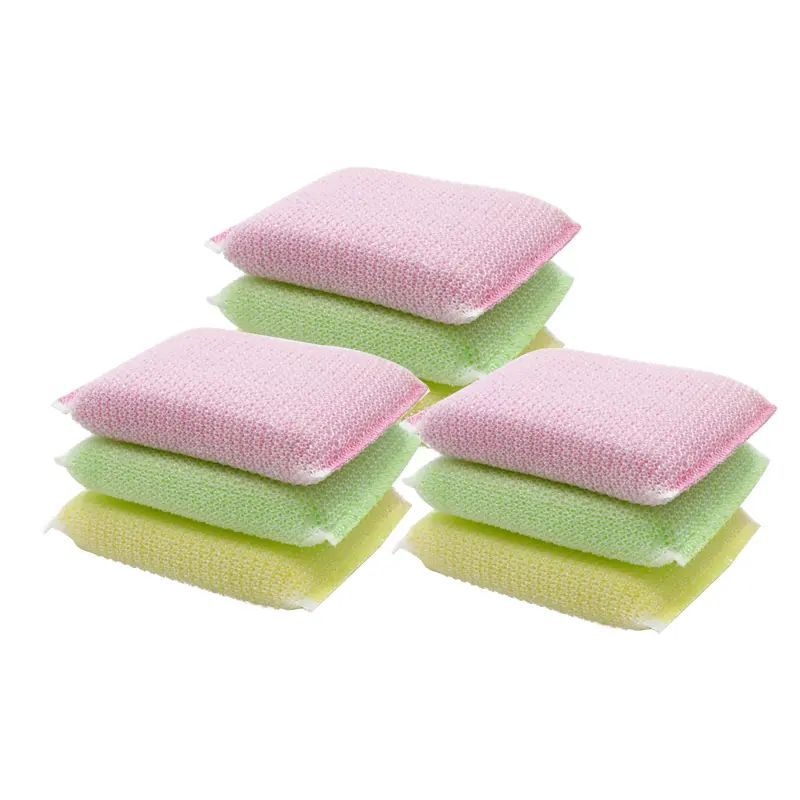
A synthetic foam sponge (the classic yellow-and-green dish sponge) is made from polyurethane foam, a petroleum-derived plastic. It's manufactured by injecting gas into liquid polymer to create an open-cell, spongy structure — the same base process used for mattress foam and packaging material.
Side-by-Side Comparison
Here's how the two materials compare across the factors that matter most for everyday kitchen use.
| Factor | Cellulose Sponge | Synthetic Foam Sponge |
|---|---|---|
| Raw Material | Wood pulp / plant fiber | Polyurethane (petroleum-based) |
| Biodegradable | Yes, within months | No, takes decades+ |
| Absorbency | High | Medium |
| Dry Time | Slow | Slow to Medium |
| Odor Resistance | Low (retains smell faster) | Medium |
| Durability | Moderate, softens with use | High, holds shape longer |
| Average Cost | Slightly higher | Lower |
Cleaning Performance: Is There Actually a Difference?
In day-to-day dishwashing, the two perform similarly on light to moderate food residue. The real performance gap shows up at the extremes:
Where Cellulose Wins
Cellulose sponges hold significantly more water per square inch than synthetic foam, making them better for wiping up spills, cleaning large surfaces, or tasks that need sustained moisture, like soaking dried food off a plate.
Where Synthetic Foam Wins
Synthetic foam holds its shape and texture longer under repeated wringing and scrubbing, making it more durable for heavy daily use. It also tends to come paired with a scouring layer (the classic two-tone sponge), which cellulose alone does not offer.
Hygiene: Which One Harbors Less Bacteria?
Neither material is inherently more hygienic — both are porous and retain moisture, which means both support bacterial growth if left wet. However, cellulose sponges tend to develop odor faster because their fiber structure absorbs and holds organic matter more readily than the more uniform cell structure of synthetic foam.
In practice, this means cellulose sponges typically need replacement or disinfection slightly more often — roughly every 1 to 2 weeks compared to synthetic foam's 2 to 3 weeks under similar usage, though both should be sanitized regularly regardless of material.
Environmental Impact: The Biggest Real Difference
This is where the two materials diverge the most. Cellulose sponges are derived from renewable plant fiber and, when free of synthetic additives, are fully compostable and biodegrade within a few months in the right conditions.
Synthetic foam sponges are a form of plastic. Once discarded, they persist in landfills for an estimated decades to over a century, and they're not recyclable through standard municipal programs because of their mixed-material construction (foam plus the abrasive scouring layer).
For households prioritizing sustainability, cellulose is the clear choice. For households prioritizing shelf life and minimal replacement frequency, synthetic foam has a practical edge.
Which One Should You Choose?
The right choice depends on what you're optimizing for. Use this quick breakdown to decide:
- Choose cellulose if you want a biodegradable, compostable option and don't mind replacing it slightly more often.
- Choose synthetic foam if you want maximum durability, a built-in scouring layer, and lower upfront cost.
- Choose either if you maintain a strict replacement and disinfection schedule, since hygiene outcomes are similar when properly maintained.
Many households end up using both: cellulose for surface wiping and spill absorption, synthetic foam (or a hybrid scrub pad) for tougher, stuck-on messes.