
 English
  日本語
日本語  Français
  русский
  Português
  Español
  عربى
عربى 
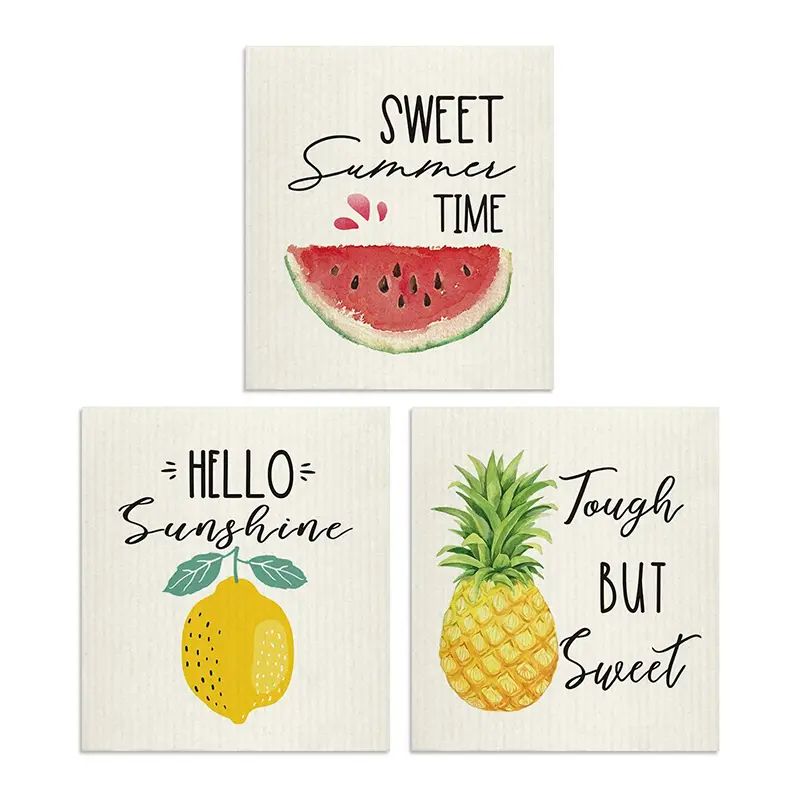
Cellulose sponge cloths are widely used in modern households and commercial cleaning environments because of their excellent absorbency, biodegradability, and versatility. Made from natural plant-based fibers such as wood pulp and cotton-derived cellulose, they offer a sustainable alternative to synthetic sponges and disposable wipes. However, although they are durable for daily cleaning tasks, their lifespan depends heavily on how they are maintained. Proper cleaning, drying, sanitizing, and storage practices can significantly extend their usability while ensuring hygiene and performance consistency. Without proper care, cellulose sponge cloths can quickly degrade, develop odors, or become breeding grounds for bacteria, especially in humid kitchen environments.
1. Why Proper Maintenance Is Essential for Cellulose Sponge Cloths
Cellulose sponge cloths function by absorbing liquids and trapping fine particles within their porous fiber structure. This high absorbency, while beneficial for cleaning, also makes them prone to accumulating moisture, grease, food residue, and microorganisms. Over time, if not properly maintained, these trapped substances can break down the fiber structure and reduce both cleanliness and durability.
Proper maintenance is essential not only for extending product lifespan but also for maintaining hygiene standards in food preparation and household cleaning environments. A poorly maintained sponge cloth can transfer bacteria between surfaces, especially in kitchens and bathrooms where cross-contamination risks are high. In contrast, a well-maintained cellulose sponge cloth can remain effective for weeks or even months, depending on usage frequency. This makes maintenance a key factor in both cost efficiency and environmental sustainability, as it reduces the need for frequent replacement and minimizes household waste.
2. How to Clean Cellulose Sponge Cloths Effectively
Cleaning is the most important step in maintaining cellulose sponge cloth performance. After every use, the cloth should be thoroughly rinsed under warm running water to remove surface debris, grease, and detergent residues. Warm water is more effective than cold water because it helps dissolve oily substances trapped within the fibers.
For deeper cleaning, mild dish soap can be used to gently massage the cloth. It is important to avoid aggressive scrubbing, as excessive force can damage the cellulose fibers and reduce absorbency over time. In cases where the sponge cloth is heavily soiled, a deeper sanitization process is recommended.
One of the most effective methods is boiling the cloth in hot water for several minutes. This process helps eliminate bacteria and restore freshness without the use of harsh chemicals. Alternatively, many cellulose sponge cloths are dishwasher-safe, allowing users to clean them at high temperatures during regular dishwashing cycles.
Common Cleaning Methods Overview
| Cleaning Method | Effectiveness | Fiber Safety | Convenience | Recommended Frequency |
|---|---|---|---|---|
| Warm water rinse | Medium | High | Very Easy | After every use |
| Mild soap washing | High | High | Easy | Daily or as needed |
| Boiling sterilization | Very High | Medium | Moderate | 1–2 times per week |
| Dishwasher cleaning | High | Medium | Easy | Weekly |
This structured cleaning approach ensures that cellulose sponge cloths remain hygienic and functional for extended periods while preserving their natural fiber structure.
3. Proper Drying and Storage Methods
Drying is equally important as cleaning when it comes to extending the lifespan of cellulose sponge cloths. Because these cloths are highly absorbent, they retain moisture for extended periods if not properly dried. This creates an ideal environment for bacterial growth and unpleasant odors.
After cleaning, the cloth should be gently squeezed to remove excess water without twisting or wringing too forcefully, as this may damage the fiber structure. It should then be placed in a well-ventilated area where air circulation can speed up the drying process. Hanging the cloth is one of the most effective methods, as it allows both sides to dry evenly.
Storage conditions also play a crucial role. Cellulose sponge cloths should always be stored in a dry environment. Avoid sealing them in airtight containers while still damp, as this traps moisture and accelerates degradation. Many households adopt a rotation system, using multiple cloths alternately to ensure each one has sufficient drying time before reuse.
4. Factors That Affect Lifespan and Durability
Several factors influence how long a cellulose sponge cloth can last under regular use. These include cleaning frequency, exposure to chemicals, drying habits, and the intensity of cleaning tasks performed.
Frequent exposure to harsh cleaning agents such as bleach or industrial degreasers can weaken cellulose fibers and reduce absorbency. Similarly, using the cloth on rough surfaces may cause physical wear and tear. Moisture retention is another critical factor; prolonged dampness significantly shortens lifespan by encouraging microbial growth.
Environmental conditions also play a role. High humidity environments slow down drying times, increasing the risk of odor development and fiber breakdown. In contrast, dry and well-ventilated environments help preserve structural integrity and extend usability.
5. Maintenance Comparison and Best Practices
To better understand how different maintenance approaches impact performance, the following comparison highlights their effectiveness:
| Maintenance Practice | Impact on Hygiene | Impact on Lifespan | Effort Level | Overall Recommendation |
|---|---|---|---|---|
| Immediate rinsing | High | High | Very Low | Essential |
| Air drying after use | Very High | Very High | Low | Essential |
| Regular soap washing | High | High | Medium | Highly Recommended |
| Boiling sterilization | Very High | Medium | Medium | Weekly Practice |
| Chemical disinfectants | Medium | Low | Low | Use with caution |
This table demonstrates that simple daily habits such as rinsing and air drying have the greatest impact on both hygiene and product lifespan.
6. Common Mistakes That Reduce Lifespan
Many users unintentionally shorten the lifespan of cellulose sponge cloths due to improper handling. One of the most common mistakes is leaving the cloth wet in sinks or closed containers for extended periods. This encourages bacterial growth and accelerates fiber degradation.
Another mistake is the excessive use of strong chemical cleaners. While these products may provide quick stain removal, they damage the cellulose structure and reduce absorbency over time. Over-scrubbing is also harmful, as it causes micro-tears in the fiber network, leading to reduced durability.
Additionally, improper drying—such as placing the cloth on non-ventilated surfaces—can significantly shorten its usable life. These habits collectively reduce both performance and hygiene efficiency.
Proper maintenance of cellulose sponge cloths is essential for maximizing their lifespan, maintaining hygiene, and ensuring consistent cleaning performance. Through simple but effective practices such as rinsing after use, gentle washing, proper air drying, and avoiding harsh chemicals, users can significantly extend their durability. When well maintained, cellulose sponge cloths serve as a sustainable, cost-effective, and eco-friendly cleaning solution for both household and commercial environments.
FAQ
Q1: How long does a cellulose sponge cloth typically last?
With proper maintenance, it can last from several weeks up to a few months depending on usage intensity.
Q2: Can cellulose sponge cloths be reused after drying?
Yes, they are designed for repeated use if properly cleaned and dried after each use.
Q3: What is the best way to disinfect a cellulose sponge cloth?
Boiling in hot water or using a dishwasher high-temperature cycle is highly effective.
Q4: Why does my sponge cloth develop odor quickly?
This usually happens due to insufficient drying or trapped moisture promoting bacterial growth.
References
- U.S. Environmental Protection Agency (EPA) – Sustainable Cleaning Materials Guidelines
- European Commission – Eco-Friendly Household Product Standards
- Journal of Applied Polymer Science – Properties of Cellulose-Based Materials
- Food Safety and Hygiene Research Institute – Kitchen Cleaning Hygiene Practices
- International Journal of Environmental Research and Public Health – Biodegradable Cleaning Materials Studies