
 English
  日本語
日本語  Français
  русский
  Português
  Español
  عربى
عربى 
The choice between a natural bath sponge and a synthetic alternative is often dismissed as a trivial matter of preference. However, from the perspectives of dermatology, material science, and environmental conservation, the differences are profound. For thousands of years, humans have relied on natural sea sponges—harvested from the depths of the ocean—to cleanse and nourish the skin. In the modern era, mass-produced synthetic sponges made from petroleum-based plastics have become the norm, primarily due to their low cost. Yet, as awareness grows regarding skin sensitivity and environmental impact, more consumers are returning to the ancient wisdom of natural sponges. Understanding why this transition is beneficial requires a deeper look into the biology of marine life, the chemistry of skin care, and the lifecycle of the products we use.
Biological Architecture and the Science of Spongin
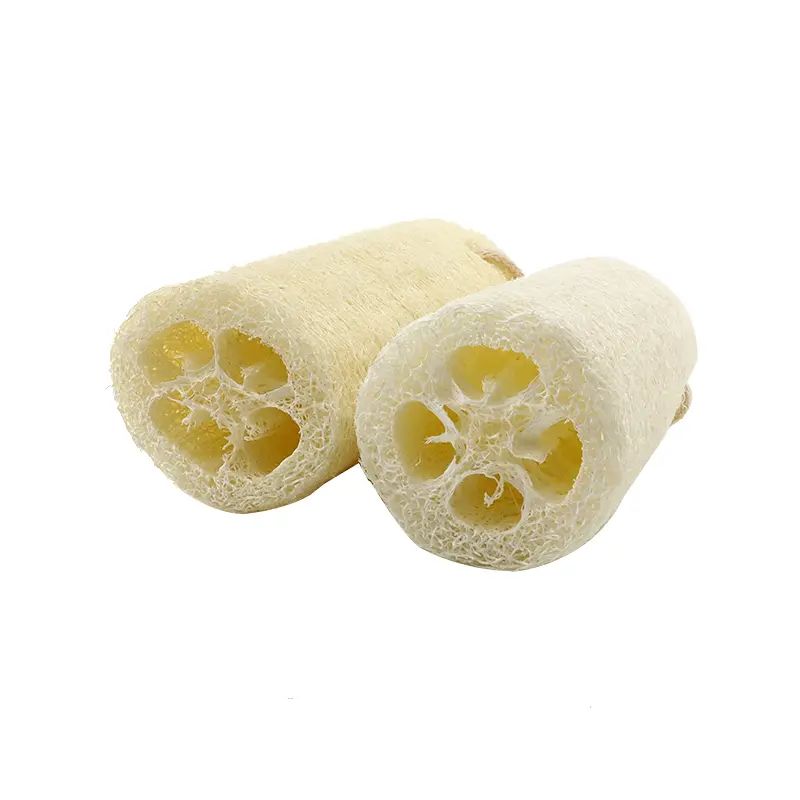
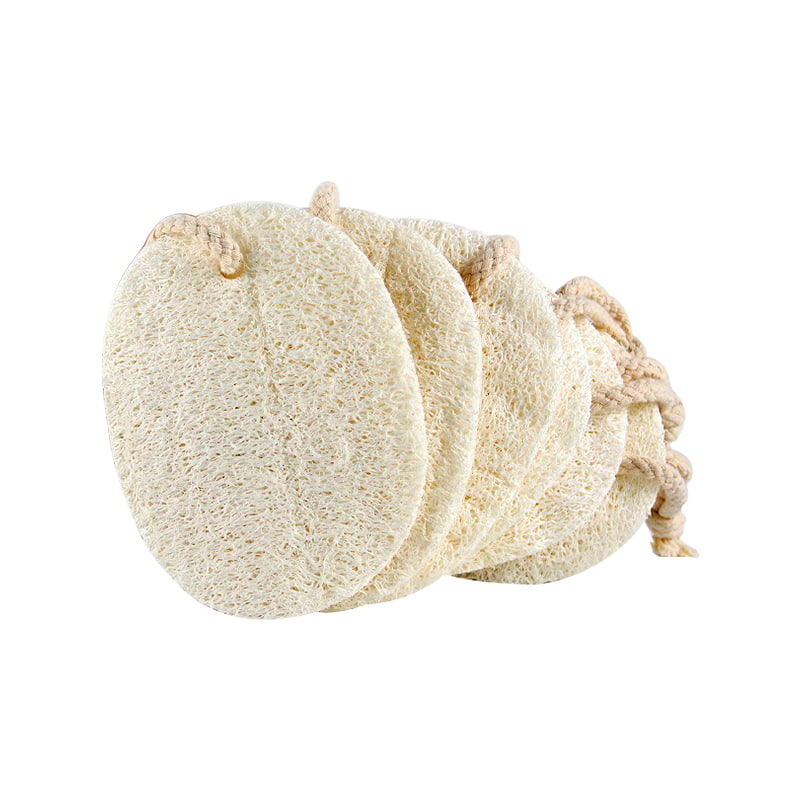
The primary reason natural sponges feel different and behave differently than synthetic ones lies in their biological origin. Natural bath sponges, specifically those from the Porifera phylum, are marine organisms with a structural composition based on a fibrous protein known as spongin. Unlike synthetic sponges, which are essentially extruded polyurethane or polyester foams designed to have uniform, manufactured pores, natural sponges possess a chaotic, intricate network of microscopic channels.
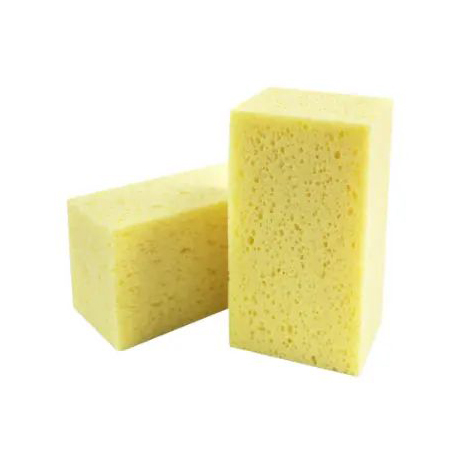
This biological architecture is not random; it is the result of millions of years of evolution designed to filter water. When these sponges are harvested and cleaned, this skeletal framework remains. The spongin protein is remarkably hydrophilic, meaning it has an affinity for water. When dry, a natural sponge becomes hard and rigid, which is a structural safeguard against microbial colonization. However, upon contact with water, the protein fibers hydrate and become incredibly soft, flexible, and velvety. This transition allows the sponge to hold a massive amount of water relative to its size, which in turn allows for the creation of a rich, dense lather from a very small amount of soap or body wash. Because the internal channels are irregular rather than uniform, they are much more efficient at trapping air bubbles and mixing them with water to create foam. Synthetic sponges, by comparison, have uniform cellular structures that often collapse under pressure, resulting in a thin, watery lather that does not provide the same sensory or cleansing experience. The natural sponge is, in essence, a complex, high-performance tool crafted by nature, whereas the synthetic sponge is a simple, uniform plastic product.
Dermatological Benefits and the Importance of Gentle Exfoliation
From a skincare perspective, natural sponges offer a level of gentleness that synthetic materials struggle to replicate. The skin is a delicate organ protected by the acid mantle, a thin, slightly acidic film that acts as a barrier against bacteria, viruses, and environmental pollutants. Synthetic sponges, particularly the common “scrubby” mesh types, are often abrasive. Their manufacturing process can leave sharp edges on the plastic fibers, which can cause micro-tears in the skin’s lipid barrier. Over time, these micro-abrasions can lead to inflammation, dryness, and increased sensitivity.
Natural sea sponges, conversely, are self-lubricating. When fully hydrated, the spongin fibers become exceptionally smooth. They provide a form of mechanical exfoliation that is incredibly precise and gentle. Because the fibers are naturally yielding, they do not “scrape” the skin but rather glide over it, lifting away dead skin cells, oil, and impurities without stripping the skin of its essential moisture. This makes them ideal for individuals suffering from chronic skin conditions such as eczema, psoriasis, or simple hypersensitivity. Furthermore, because they are organic, they do not possess the harsh chemical residues that can sometimes be found in cheap, mass-produced synthetic foams. Many users report that switching to a natural sponge reduces the frequency of razor burn and ingrown hairs, as the sponge effectively cleanses the follicle openings without being overly aggressive. The natural pH-neutrality of these sponges also ensures that they harmonize with the skin’s natural chemistry, preventing the disruption of the microbiome that can occur when using highly alkaline or chemically processed synthetic alternatives.
Environmental Sustainability and the Microplastic Crisis
The environmental argument against synthetic bath sponges is becoming increasingly critical. Most synthetic sponges are manufactured from petroleum-based plastics such as polyurethane or polyester. These materials are not biodegradable. When a synthetic sponge reaches the end of its life—which is usually quite short—it is discarded into a landfill, where it will remain for centuries, breaking down into smaller and smaller pieces. More importantly, synthetic sponges are notorious for “shedding.” Every time you use a synthetic sponge to scrub your body, the friction breaks off tiny fibers known as microplastics. These particles wash down the drain, into the sewage system, and eventually into the ocean.
Natural sea sponges represent a renewable marine resource. Responsible harvesting practices involve cutting the sponge at the base, leaving the “root” attached to the ocean floor. This allows the organism to regenerate and often grow back stronger, much like pruning a tree. Because natural sponges are purely organic matter, they are fully biodegradable. When your natural sponge has reached the end of its functional life, it can be composted along with your kitchen scraps, eventually returning to the earth as nutrients rather than persistent waste. Choosing a natural sponge is a conscious rejection of the “plastic-first” mentality that dominates the personal care industry. By shifting demand toward renewable, compostable materials, consumers can directly influence the manufacturing standards of the global market, reducing the reliance on petrochemical-derived convenience items that cause long-term ecological damage.
Maintenance, Hygiene, and Longevity
One of the most common criticisms of natural sponges is that they are “harder to clean” or “less hygienic” than synthetic ones. This is a misunderstanding rooted in the way the two materials interact with water. Synthetic sponges are designed to stay soft and porous, which unfortunately means they remain constantly damp. This constant moisture retention makes synthetic sponges a perfect breeding ground for mold, mildew, and bacteria, which proliferate deep inside the plastic foam.
Natural sponges, by nature, possess a unique hygienic advantage: they dry out completely. When a natural sponge is left to air dry after a shower, it becomes hard. This hardening process is actually a functional defense mechanism; microorganisms struggle to survive in a desiccated, hard protein structure. Therefore, the “hardening” that some users find inconvenient is actually the sponge’s way of sanitizing itself. To maintain a natural sponge, one simply needs to ensure it is rinsed thoroughly after use—to remove soap residue—and placed in a well-ventilated area to dry. For deeper cleaning, it can be soaked periodically in a solution of warm water and vinegar or baking soda. This process kills any remaining bacteria and neutralizes odors, restoring the sponge to its original softness. While synthetic sponges might appear to “last longer” because they don’t change texture, they are often harboring significant bacterial loads long before they are physically replaced. A natural sponge provides a clear indicator of when it is clean and when it needs attention, whereas synthetic sponges hide their contamination within their uniform, porous plastic matrices.
Comparative Overview: Natural vs. Synthetic
| Feature | Natural Sea Sponge | Synthetic Bath Sponge |
|---|---|---|
| Primary Material | Organic Spongin (Protein) | Polyurethane / Polyester (Plastic) |
| Environmental Impact | Biodegradable, Renewable | Non-biodegradable, Microplastic source |
| Skin Feel | Soft, velvety, hypoallergenic | Often scratchy, abrasive, chemical-laden |
| Hygiene Profile | Self-sanitizing (dries hard) | Bacterial trap (holds moisture) |
| Exfoliation | Gentle, non-disruptive | Can cause micro-tears |
| Production | Sustainable harvesting | Petrochemical manufacturing |
Frequently Asked Questions
What types of natural sponges are best for different skin types?
Wool sponges are the softest and most durable, making them the gold standard for facial cleansing and sensitive skin. Grass sponges are slightly firmer and are excellent for a more thorough exfoliation on the body, while Silk sponges are exceptionally fine and are often preferred for delicate infant skin.
How do I perform a deep clean on my sponge without damaging it?
To deep clean, mix a solution of one tablespoon of baking soda in a cup of warm water. Submerge the sponge and gently squeeze it to ensure the solution penetrates the channels. Let it soak for fifteen minutes, then rinse thoroughly with cool water. Avoid using bleach, as it will dissolve the organic protein fibers and destroy the sponge.
Why does my natural sponge have a “sea” smell when I first get it?
High-quality, commercially prepared sponges are cleaned, but occasionally a faint scent of the ocean may persist due to residual sea minerals. This is completely natural and harmless. It will disappear after the first few uses and thorough rinsing. If the smell is pungent or “rotten,” it may indicate the sponge was not processed correctly or has trapped debris.
Can I leave my natural sponge in the shower?
It is not recommended. Bathrooms are high-humidity environments. If the sponge cannot dry out completely between uses, it will remain soft and potentially begin to grow mildew. It is best to store the sponge outside the shower, in a well-ventilated area, or on a shelf where it can get airflow.
Is it true that natural sponges are ethically sourced?
Yes, when purchased from reputable suppliers. Sustainable harvesting programs are regulated by international maritime authorities. These programs ensure that only mature sponges are harvested and that the root systems are left intact to ensure the population remains stable and healthy.
References
Journal of Marine Biology and Ecology, Studies on the regenerative properties and harvesting of Porifera species in the Mediterranean.
Dermatology Times, The impact of mechanical exfoliation on the skin barrier and the role of natural vs. synthetic materials.
Environmental Science & Technology, Analysis of microplastic shedding from synthetic personal care products and sponges.
Journal of Cleaner Production, Life cycle assessment of biodegradable bath accessories versus petroleum-based alternatives.
International Journal of Cosmetic Science, Properties of marine-derived proteins and their application in personal care.