
 English
  日本語
日本語  Français
  русский
  Português
  Español
  عربى
عربى 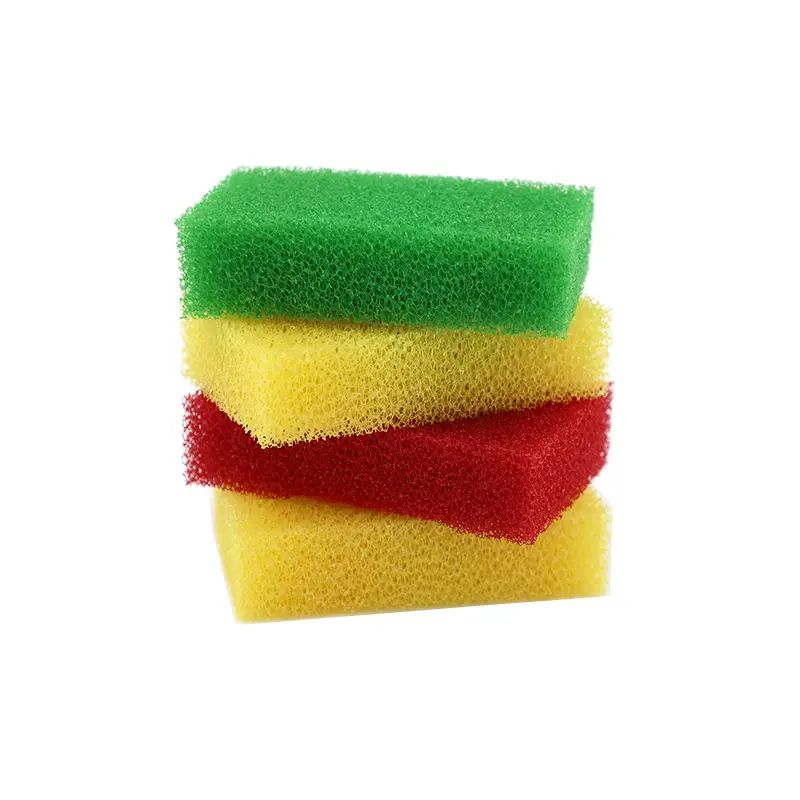
Introduction: Why Professional Car Detailers Pay Attention to Car Wash Sponges In professional auto detailing, every tool used during the car cleaning process plays a crucial role in protecting the vehicle’s paint and achieving a spotless finish. Among these tools, the car wash sponge remains one o...
READ MORE

Home / Products / Kitchen Clean Sponge / Dual-Sided Sponges Scourer
Kitchen Cleaning Scourer Custom
Products
Kitchen Cleaning Scourer Manufacturers
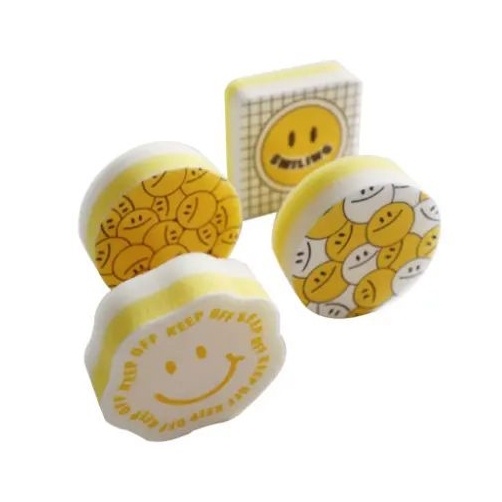
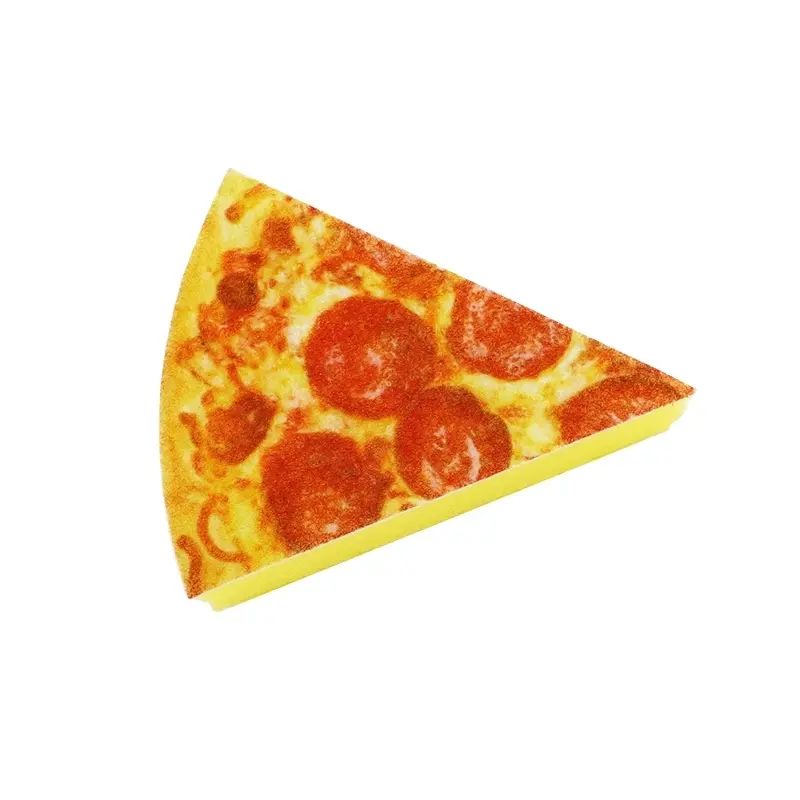
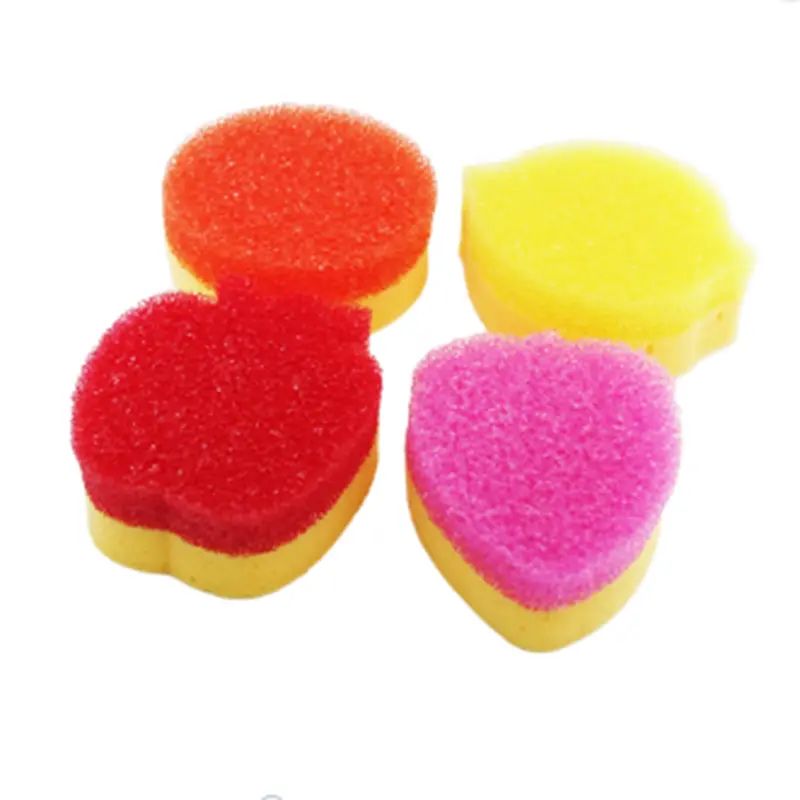
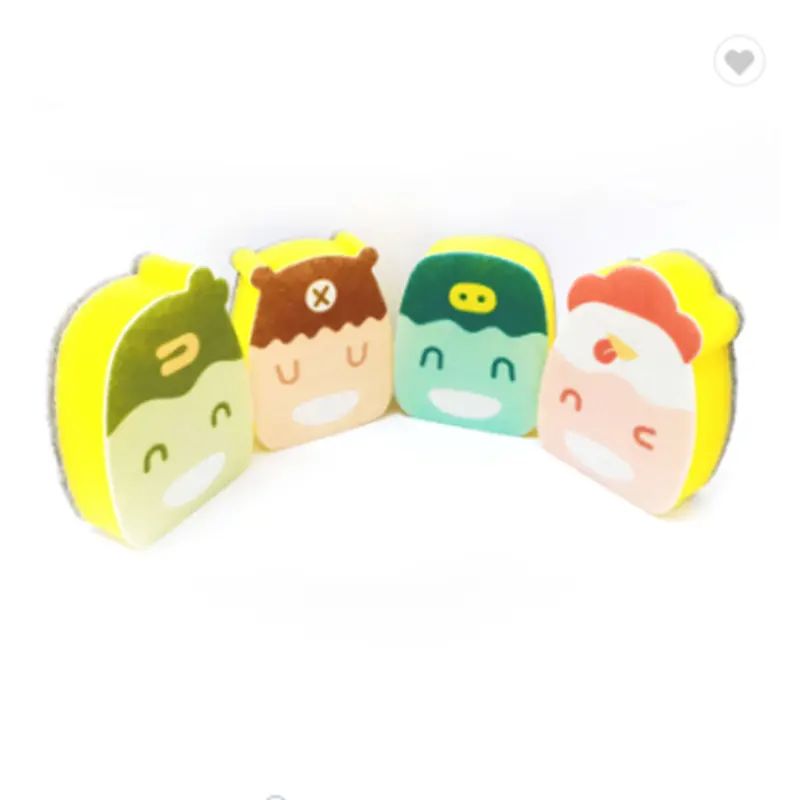
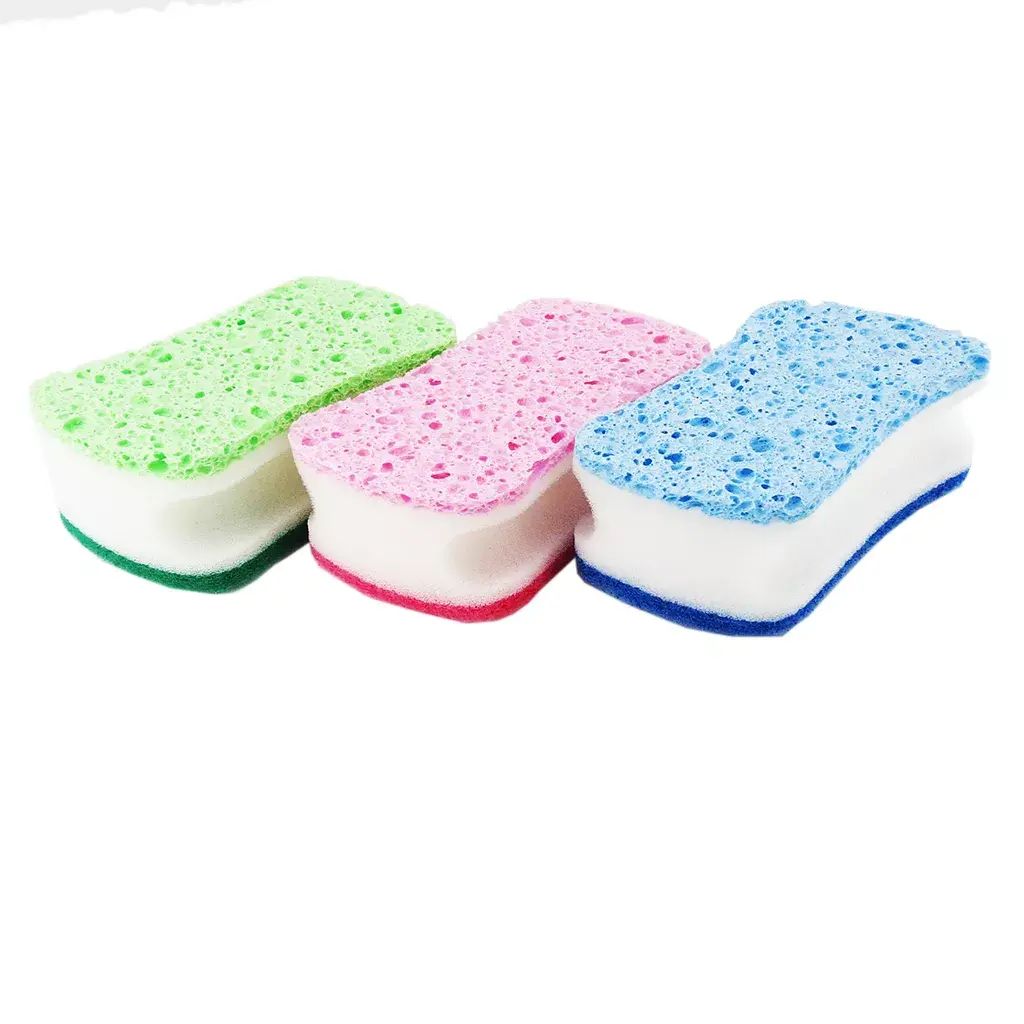
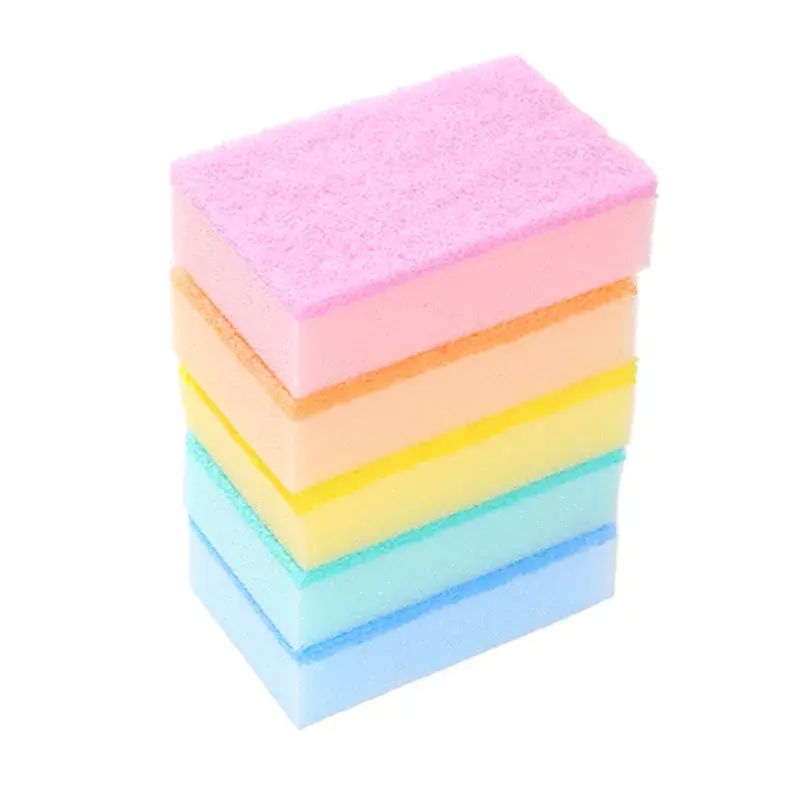
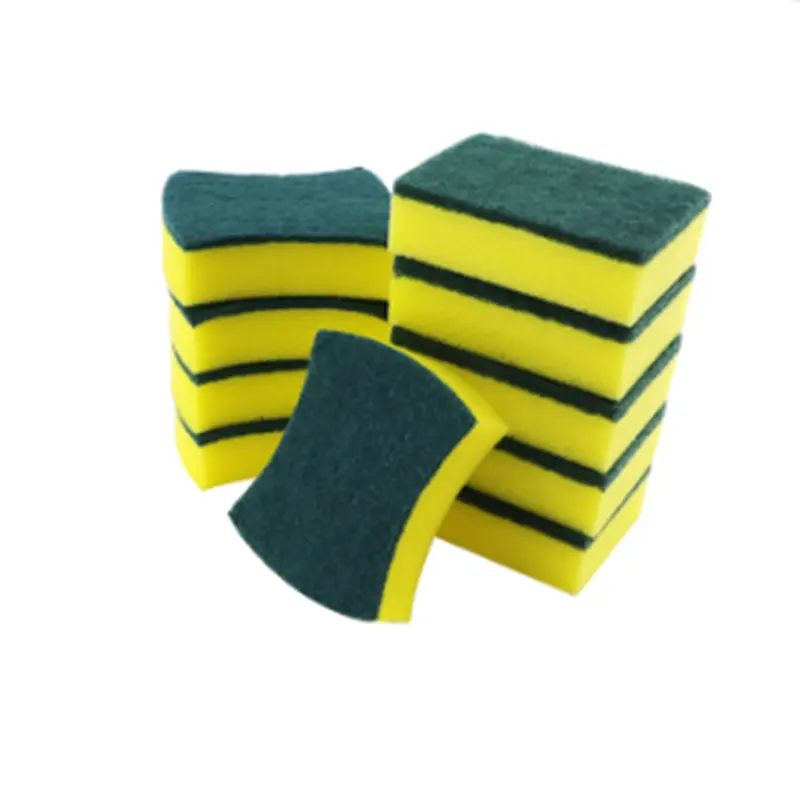
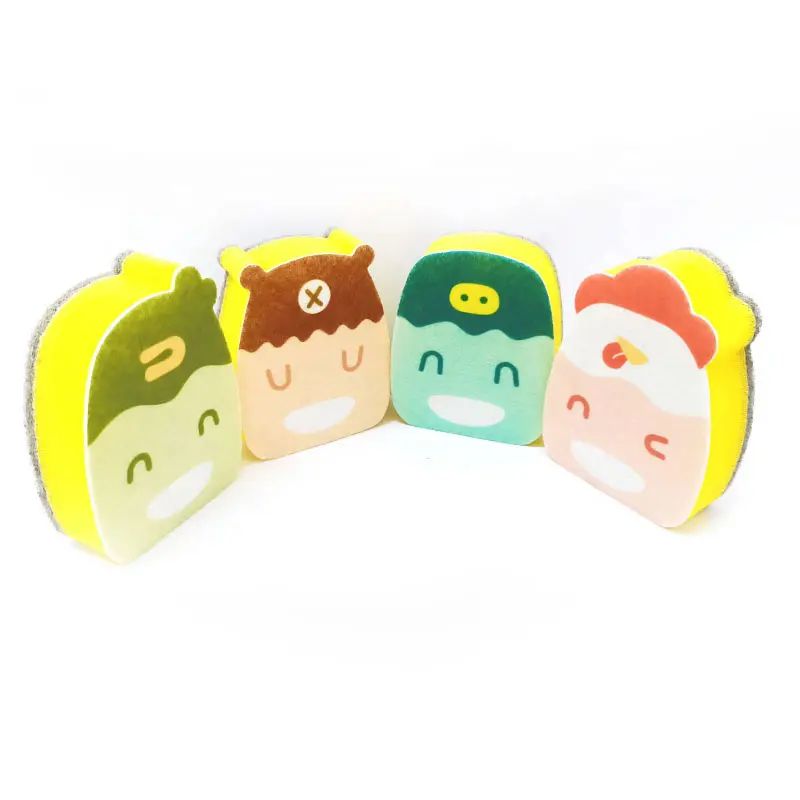
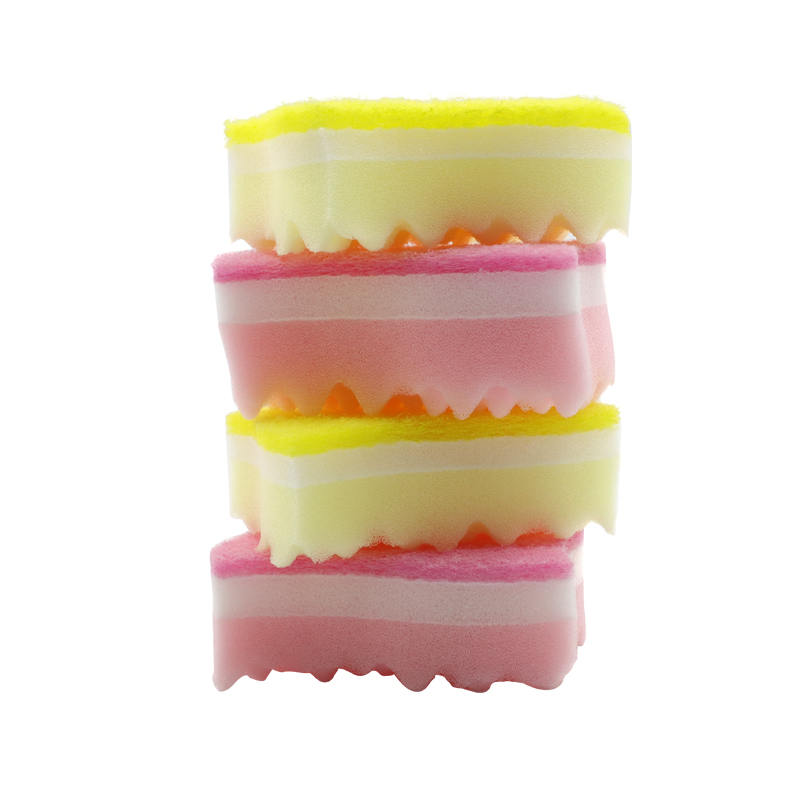
A double-sided sponge wipe is made of a sponge, scouring pad, cellulose sponge, and other materials, which can be compounded with double effects on both sides. Sponge cloth is a multi-functional cleaning brush, used with cleaning liquid, can thoroughly remove stubborn stains, for cleaning dishes, absolutely does not damage the surface of the object, is durable, and is a new generation of cleaning appliances. Double layer compound, interesting shape strong water absorption easy decontamination-rich foam.
About Us
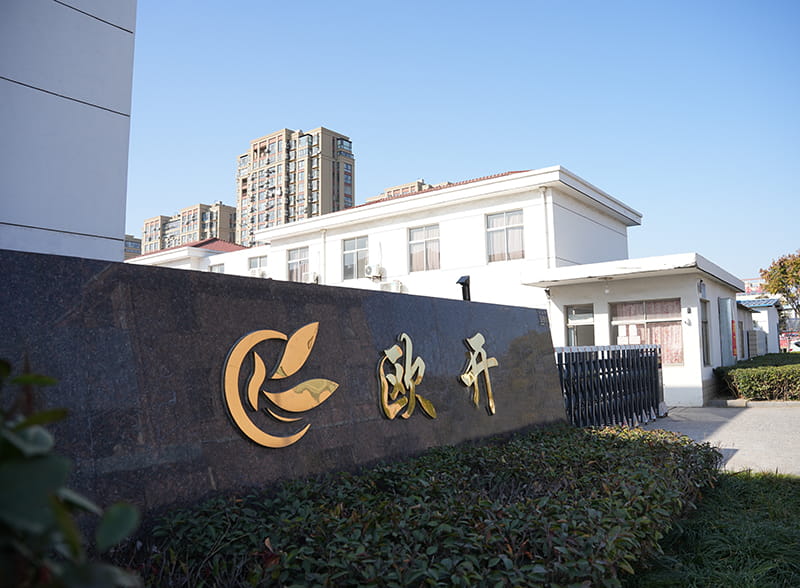
Yancheng Oukai Sponge Products Co., Ltd.
Yancheng Oukai Sponge Products Co., Ltd. was established in 2009 and covers an area of 10000 square meters.It is China Scouring Pad Manufacturers and Scouring Pad Suppliers, Our company is located in Dafeng city. The traffic here is very convenient: only 40 kilometers from Yancheng Airport, and 30 kilometers from Dafeng Port. Our company will always follow the operation philosophy of "people-oriented, good faith, quality assurance " to provide high-quality sponge products for all clients both at home and abroad.
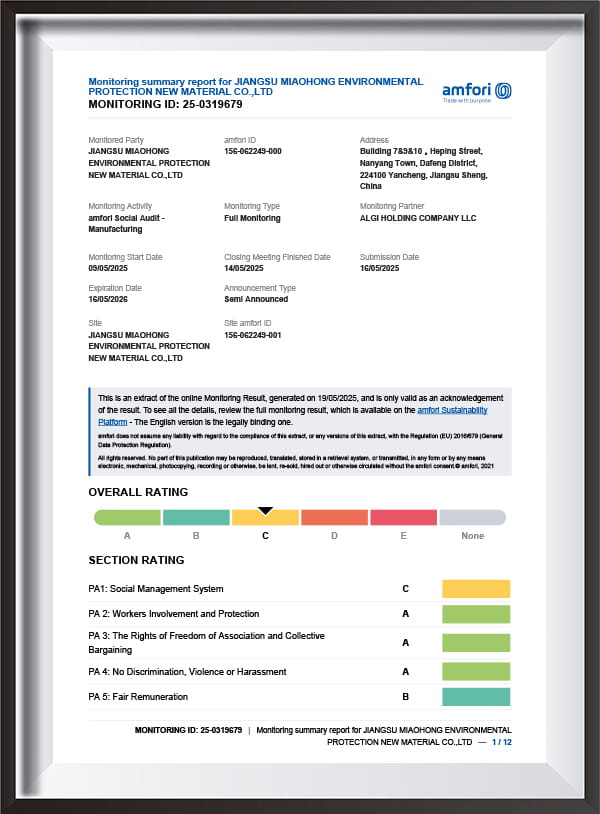
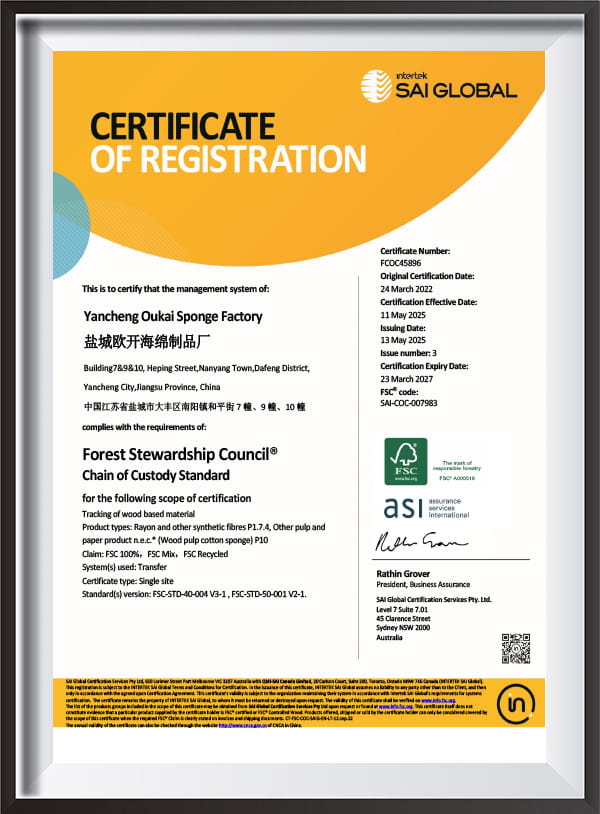
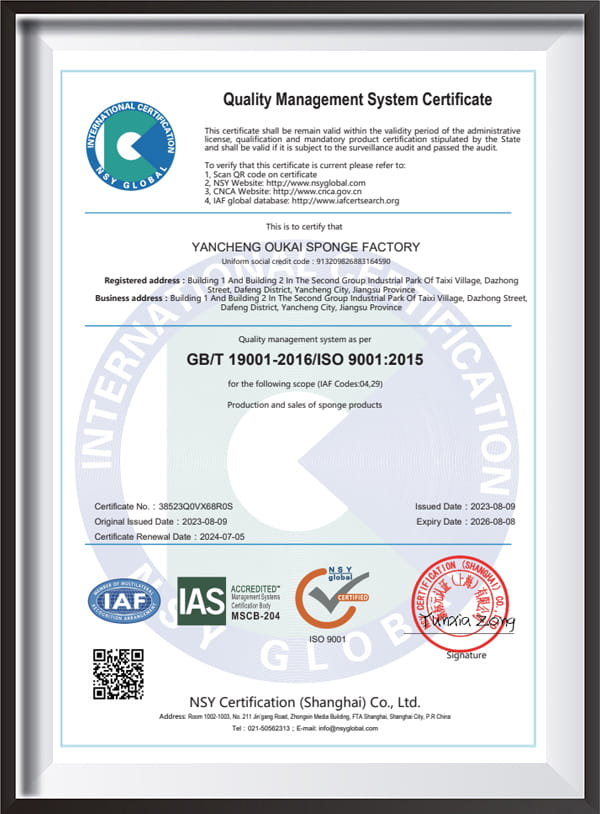
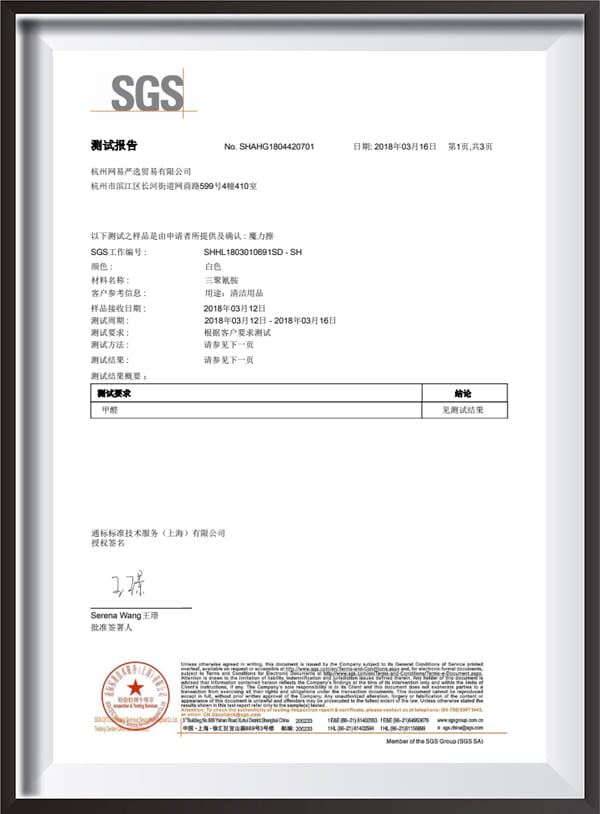
Our factory builds a unique processing and quality control system after a dozen years of exploration and practice. Our factory has already passed ISO 9001 quality and BSCI audits.
The company has developed more than 200 kinds of sponges, developed and produced more than 3000 kinds of sponge products, and created the Foamstar international trademark, to meet your diversified needs. The company mainly produces and sells the following products: Polyester, polyether sponge sponges (flame retardant sponge, filtration sponge, sound-absorbing sponge, anti-static sponge, seaweed cotton/coral sponge, slow rebound sponge, insulation, cleaning sponge, packing sponge), melamine sponge, wood pulp sponge (cellulose sponge), wood pulp cotton cloth, household cleaning (sponge, emery sponge, mesh cloth, microfiber cloth, cleaning brush, cleaning ball, garbage bags, plastic wrap, plastic bag), car cleaning, personal care products. Products continue to be sold to Japan, South Korea, the United States, Germany, Sweden, Britain, Canada, Australia, New Zealand, France, Italy, the Netherlands, Poland, Belgium, Spain, Russia, Chile, the United Arab Emirates, Brazil, Thailand and other more than 40 countries.
We have the advanced production equipment to meet the increasing demands of the market, as well as experienced designers and workers and a management system to help our products stand out from the others. We are a large-scale responsible factory, and the vast majority of our customers have given us a good reputation, We look forward to cooperating with you.
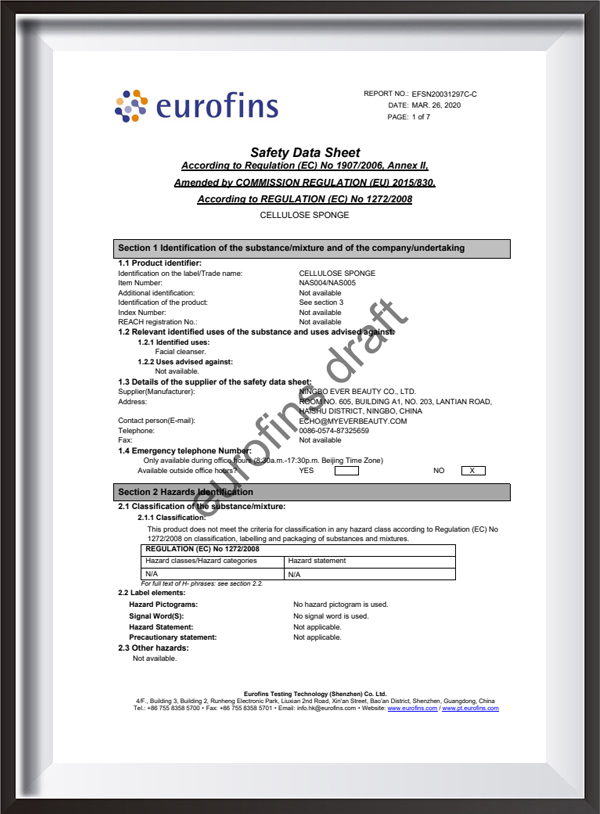
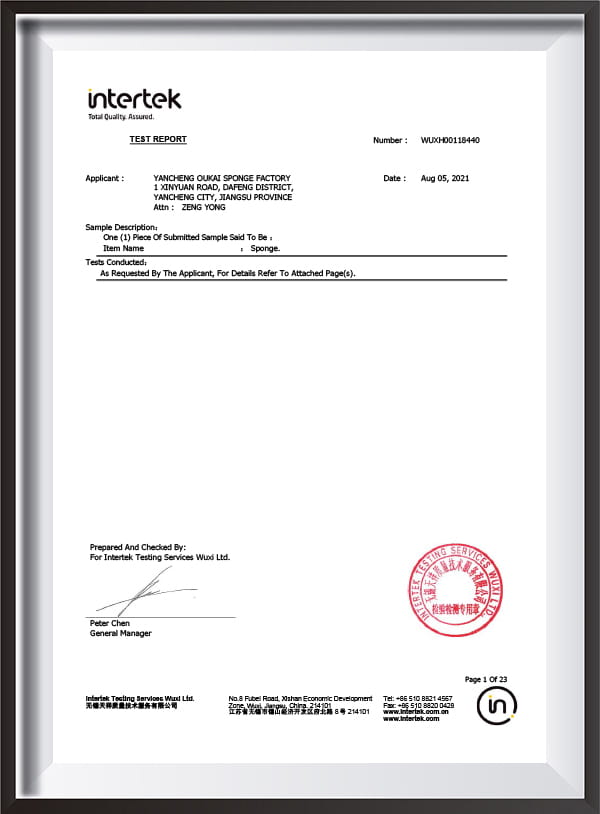
Certificate Of Honor
News
-
-
In the specialized field of acoustic engineering, selecting the right material is the foundation of any successful noise control project. Whether you are building a professional recording studio, a home cinema, or soundproofing an industrial workspace, you will inevitably face the choice between Sou...
READ MORE -
Understanding the Material Science: Cellulose vs. Polyurethane To understand hygiene, we must first look at what these tools are actually made of. The difference in cellular structure dictates how they interact with water and germs. What is a Compressed Cellulose Sponge? A compressed cellulose spong...
READ MORE
Industry knowledge
Kitchen Cleaning Scourer Essentials: More Than Just a Scrub Pad
In the daily operation of a modern household, the Kitchen Cleaning Scourer plays a vital role. While it may appear ordinary on a kitchen counter, it is the first line of defense for maintaining hygiene and extending the lifespan of expensive cookware. From removing burnt-on residues on pans to wiping delicate crystal glasses, a high-quality Kitchen Cleaning Scourer must find the perfect balance between abrasive power and surface protection.
Established in 2009, Yancheng Oukai Sponge Products Co., Ltd. has consistently dedicated itself to exploring this balance. As a professional manufacturer with a production base covering 10,000 square meters, we understand how every detail impacts cleaning efficiency. Located in Dafeng City with convenient transportation—only 40 kilometers from Yancheng Airport—our strategic location ensures that our Kitchen Cleaning Scourer products can be rapidly delivered to over 40 countries and regions worldwide.
The Core of Kitchen Hygiene
A professional Kitchen Cleaning Scourer is not merely a collection of fibers. It must use physical friction to break down the molecular structure of dirt while working with detergents to emulsify grease. Through over a dozen years of exploration and practice, Yancheng Oukai Sponge Products Co., Ltd. has built a unique processing and quality control system, passing ISO 9001 quality and BSCI audits. This ensures every scourer produced meets rigorous international standards for durability and safety.
Evolution: From Natural Fibers to High-Tech Composites
The evolution of the Kitchen Cleaning Scourer reflects the human pursuit of efficiency:
- Traditional Stage: Early reliance on loofahs or metal wires, which were abrasive but easily damaged cookware.
- Industrial Stage: The combination of polyurethane foam and nylon fibers created the era of the "double-sided scouring pad."
- Precision Stage: Modern Kitchen Cleaning Scourer options include melamine, wood pulp fiber, emery, and other high-tech materials.
To meet diversified global market needs, Yancheng Oukai Sponge Products Co., Ltd. has developed more than 200 kinds of sponges and produced over 3,000 types of sponge products. We created the Foamstar international trademark to ensure our products stand out, whether they are heavy-duty scourers for grease or gentle versions for precision coatings.
Core Material Breakdown: Which Kitchen Cleaning Scourer Is Right for You?
Choosing the wrong Kitchen Cleaning Scourer can lead to irreversible damage to kitchen assets. To help users make professional choices, we have categorized the main materials available on the market.
Comparison of Main Kitchen Cleaning Scourer Materials
| Material Type | Main Components | Abrasive Strength | Ideal Surfaces | Pros | Cons |
| Heavy-Duty Pad | Polyester + Abrasive Grains | Very High | Stainless steel, BBQ grills | Easily removes burnt food | May scratch non-stick coatings |
| Non-Scratch Pad | Nylon / Synthetic Fibers | Medium | Non-stick pans, ceramic | Protects delicate surfaces | Slower on stubborn carbon |
| Cellulose Sponge | Natural Wood Pulp | Low | Glass, fine dinnerware | Excellent absorption, eco-friendly | Hardens when dry |
| Melamine Sponge | Melamine Resin Foam | Micro-abrasive | Walls, stovetops, limescale | Cleans without chemicals | Wears down quickly |
| Metal Scourer | Stainless Steel or Copper | Very High | Cast iron, uncoated metal | Industrial-grade cleaning | Can rust (if not stainless) |
Material Details and Application Insights
Stainless Steel and Metal Scourers
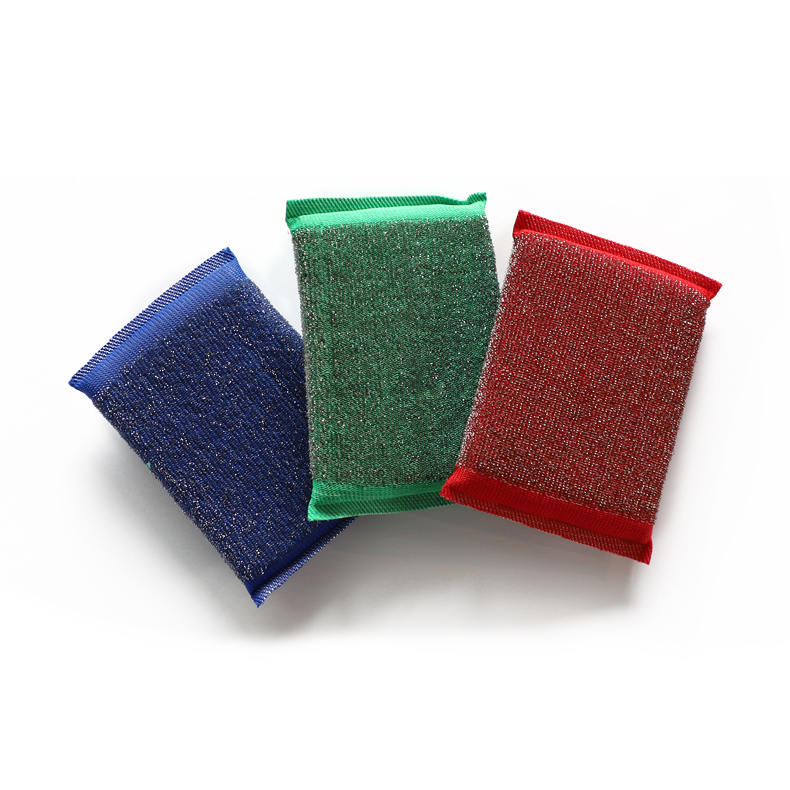
For carbonized grime at the bottom of cookware, a standard Kitchen Cleaning Scourer often falls short. The metal cleaning ball series from Yancheng Oukai Sponge Products Co., Ltd. uses corrosion-resistant stainless steel to provide powerful mechanical cutting force, ideal for the toughest industrial or domestic kitchen grease.
Composite Sponge Series (Foamstar Core)
This is the most widely used Kitchen Cleaning Scourer. We produce polyester and polyether sponges—including flame retardant, filtration, anti-static, and seaweed/coral varieties—that offer excellent resilience and foaming. Combined with our abrasive bonding technology, these products perform both scrubbing and absorbing tasks simultaneously.
Eco-friendly Cellulose Sponges
As global environmental awareness grows, Yancheng Oukai Sponge Products Co., Ltd. actively promotes wood pulp (cellulose) sponge products. These Kitchen Cleaning Scourer options are derived from nature, can absorb up to 20 times their weight in water, and are biodegradable. They are perfect for high-end stainless steel as they clean without leaving scratches.
Emery Sponge Series
For rust and deep stains, our emery series Kitchen Cleaning Scourer is the ideal choice. By embedding fine emery particles into the sponge surface, it acts like sandpaper to restore metal luster, making it a powerful tool for refurbishing old pots.
Practical Application: Correct Usage of Kitchen Cleaning Scourer on Different Surfaces
Different surfaces have varying tolerances for friction. Incorrect use of a Kitchen Cleaning Scourer can strip coatings or dull stainless steel finishes. Yancheng Oukai Sponge Products Co., Ltd., with its range of 3,000+ products, provides this scientific guide for global users.
Non-Stick and Teflon Coatings
This is the most fragile area of the kitchen. Metal or coarse abrasive Kitchen Cleaning Scourer products must never be used here.
- Recommendation: Use the non-scratch sponges from the Foamstar series.
- Technique: Soak with warm water first, then use the soft side of the sponge with neutral detergent. The soft polyurethane sponges from Yancheng Oukai Sponge Products Co., Ltd. generate rich foam to lift grease safely.
Stainless Steel Bases and Oven Racks
For carbonization caused by high-temperature cooking, high-strength friction is required.
- Recommendation: Choose a heavy-duty stainless steel scourer or an abrasive-heavy Kitchen Cleaning Scourer.
- Technique: Use with a small amount of cleaning powder and scrub along the grain of the stainless steel. As an ISO 9001 and BSCI audited factory, our scourers maintain structural stability and do not shed wires during heavy scrubbing.
Ceramic Sinks and Glass Cooktops
These surfaces collect limescale and light oil mist but are prone to physical scratches.
- Recommendation: Cellulose sponges or melamine sponges produced by Yancheng Oukai Sponge Products Co., Ltd.
- Technique: Melamine sponges, often called "magic erasers," require only a small amount of water to remove water stains through micro-physical friction.
Scientific Cleaning and Hygiene: Preventing Your Scourer from Becoming a Bacteria Hotspot
If poorly maintained, a Kitchen Cleaning Scourer can become a breeding ground for bacteria. Yancheng Oukai Sponge Products Co., Ltd. focuses not just on cleaning power but also on user health and safety.
Risks of Bacterial Growth
Due to the damp environment and food residues, a standard Kitchen Cleaning Scourer can host a significant number of bacteria after just one week. Our research team at Foamstar emphasizes drainage and breathability to minimize these risks.
Comparison of Maintenance Methods
| Method | Ease of Use | Sanitization Effect | Impact on the Scourer |
| Boiling Water | Simple | High | Repeated heat may reduce synthetic elasticity |
| Microwave | Very Simple | Very High | Scourer must be wet; No metal allowed |
| Dishwasher | Automatic | Medium | Convenient; Cleans and dries with dishes |
| Sunlight | Weather-dependent | Medium | UV helps but may accelerate material aging |
Replacement Cycle Suggestions
Even high-quality, durable Kitchen Cleaning Scourer products from Yancheng Oukai Sponge Products Co., Ltd. should follow these replacement rules:
- Regular Intervals: Replace every 2-4 weeks depending on use.
- Odor Warning: If a persistent smell develops, bacteria have proliferated; discard immediately.
- Physical Damage: If the abrasive layer peels or the sponge body crumbles, efficiency is lost.
Drying Techniques
At our 10,000 square meter facility, Yancheng Oukai Sponge Products Co., Ltd. uses advanced cutting to create porous structures. After use, users should wring out the Kitchen Cleaning Scourer and store it vertically or hang it in a ventilated area to avoid sitting in stagnant water.
Buyer's Guide: How to Select a High-Quality Kitchen Cleaning Scourer
With many products on the market, Yancheng Oukai Sponge Products Co., Ltd. offers these professional criteria for identifying quality:
Observe Abrasive Adhesion
In a premium Kitchen Cleaning Scourer, the abrasive grains are tightly bonded to the sponge. High-quality products should not shed powder or delaminate when rubbed. Our unique processing system ensures long-lasting adhesion between layers.
Test Resilience and Density
A Foamstar sponge should return to its original shape immediately after being squeezed. High density indicates a longer lifespan and better detergent retention. The polyester and polyether sponges from Yancheng Oukai Sponge Products Co., Ltd. undergo strict pressure cycle testing.
Certification and Compliance
Choosing a supplier like Yancheng Oukai Sponge Products Co., Ltd., which has passed BSCI and ISO audits, ensures quality and adherence to international environmental and labor standards. Our success in over 40 countries, including the US, Germany, and Japan, is built on this reputation.
FAQ:
Based on over a decade of serving global markets, Yancheng Oukai Sponge Products Co., Ltd. has compiled these insights to help you manage household cleaning more scientifically.
Q1: Will a Kitchen Cleaning Scourer scratch my marble or quartz countertops?
Knowledge: This depends on the abrasive grade. Natural stone is sensitive to micro-scratches.
- Advice: Always choose products labeled "Non-Scratch." Yancheng Oukai Sponge Products Co., Ltd. has developed nylon fiber pads specifically for delicate surfaces that remove grease without damaging the mirror finish.
Q2: Why do some scourers develop an unpleasant odor after just a few uses?
Knowledge: Odors are caused by bacteria (like Micrococcus or E. coli) decomposing food residue.
- Solution: Standard sponges drain poorly. The Foamstar series by Yancheng Oukai Sponge Products Co., Ltd. uses high-porosity polyether foam.
Comparison: Standard Sponge vs. Oukai High-Porosity Sponge (Foamstar)
| Metric | Standard Low-Cost Sponge | Oukai High-Porosity Sponge |
| Drainage Speed | Slow, retains water | Rapid, stays dry after wringing |
| Air Circulation | Poor, prone to mold | Excellent, inhibits anaerobic bacteria |
| Durability | Tears easily | High toughness, retains shape |
Q3: Can I use a Kitchen Cleaning Scourer to wash fruits and vegetables?
Knowledge: While the friction is great for removing dirt from root vegetables, hygiene is paramount.
- Warning: Never use a scourer previously used for dishes to wash food due to cross-contamination.
- Advice: Keep a dedicated cellulose or coconut fiber scourer from Yancheng Oukai Sponge Products Co., Ltd. specifically for produce.
Q4: What is the difference between Stainless Steel and Copper Scourers?
Knowledge: They have different physical properties for different metal surfaces.
- Stainless Steel: High hardness and corrosion resistance. Best for raw iron pots and grills.
- Copper: Naturally softer. It provides strong friction but is less likely to leave deep scratches. Our advanced equipment allows us to control wire fineness to meet specific precision needs.
Q5: Do the colors of a Kitchen Cleaning Scourer represent different functions?
Knowledge: In the industry, colors often indicate abrasive levels.
- Green: Usually Heavy-Duty, containing more abrasive for industrial or heavy grease.
- Blue/Pink: Often Light-Duty, designed for glass and plastic.
- Yellow: Frequently refers to the sponge body, emphasizing high absorption.
Yancheng Oukai Sponge Products Co., Ltd. can customize colors and specifications to meet diverse market preferences.
Q6: How can I extend the life of my Kitchen Cleaning Scourer?
- Rinse Thoroughly: Leftover grease and proteins degrade fibers.
- Avoid Harsh Chemicals: Long exposure to strong bleach can weaken the sponge unless specified.
- Choose Quality Suppliers: Purchase products from ISO 9001 certified manufacturers like Yancheng Oukai Sponge Products Co., Ltd. to ensure the abrasive and sponge layers remain bonded through thousands of uses.
-

Contact Information
No. 5 Heping Street, Nanyang Town, Dafeng District, Yancheng City, Jiangsu Province +8615195163208
-
CONTACT US

Copyright © Yancheng Oukai Sponge Products Co., Ltd. All Rights Reserved.
Custom Scouring Pad Suppliers
