
 English
  日本語
日本語  Français
  русский
  Português
  Español
  عربى
عربى 
In the specialized field of acoustic engineering, selecting the right material is the foundation of any successful noise control project. Whether you are building a professional recording studio, a home cinema, or soundproofing an industrial workspace, you will inevitably face the choice between Sound Insulation Sponge (typically acoustic polyurethane foam) and Rock Wool (mineral wool). While both materials are designed to manage sound energy, they function through different physical mechanisms and offer distinct advantages in terms of frequency response, fire safety, and installation complexity. Understanding the “Acoustic DNA” of these materials is crucial for achieving an environment with optimized sound clarity and minimal noise transmission.
The Technical Profile of Sound Insulation Sponge
Sound Insulation Sponge is an open-cell polyurethane foam engineered specifically for high-efficiency sound absorption. Its structural design consists of thousands of microscopic, interconnected pores. When sound waves strike the surface of the sponge, they penetrate these pores, causing the air molecules trapped within to vibrate. This mechanical vibration creates friction, which effectively converts the kinetic energy of the sound waves into low-level thermal energy (heat).
Absorption vs. Blocking: Clarifying the Core Function
It is a common industry misconception that Sound Insulation Sponge can “block” sound from entering or leaving a room. In technical terms, acoustic foam is an absorptive material, not a blocking material.
- Echo and Reverberation Control: The primary strength of acoustic sponge lies in its ability to reduce internal reflections. By absorbing sound waves that would otherwise bounce off hard surfaces, it eliminates “flutter echoes” and standing waves, creating a “dry” and controlled acoustic environment.
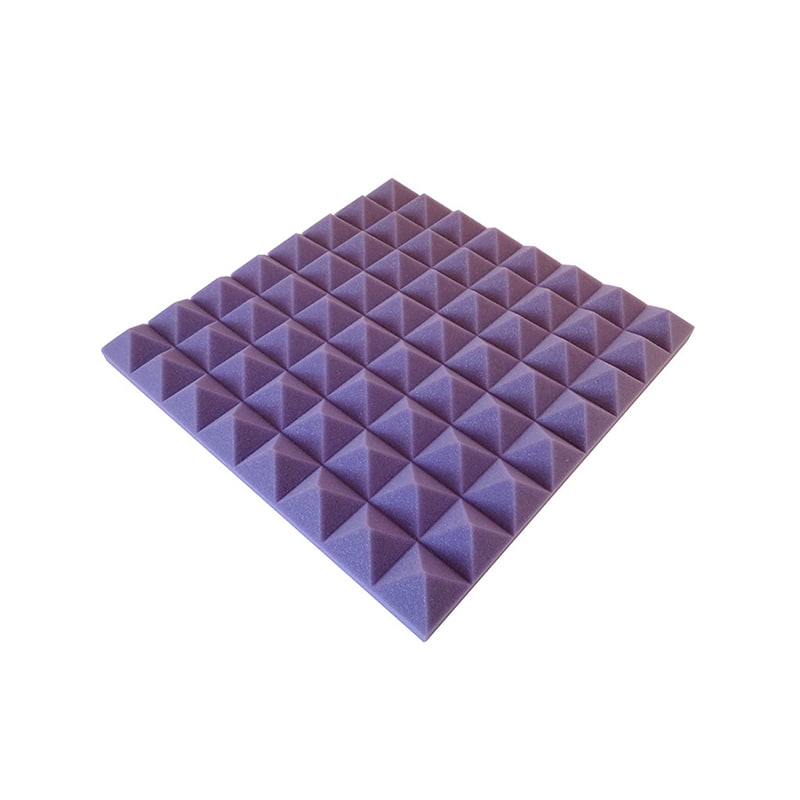
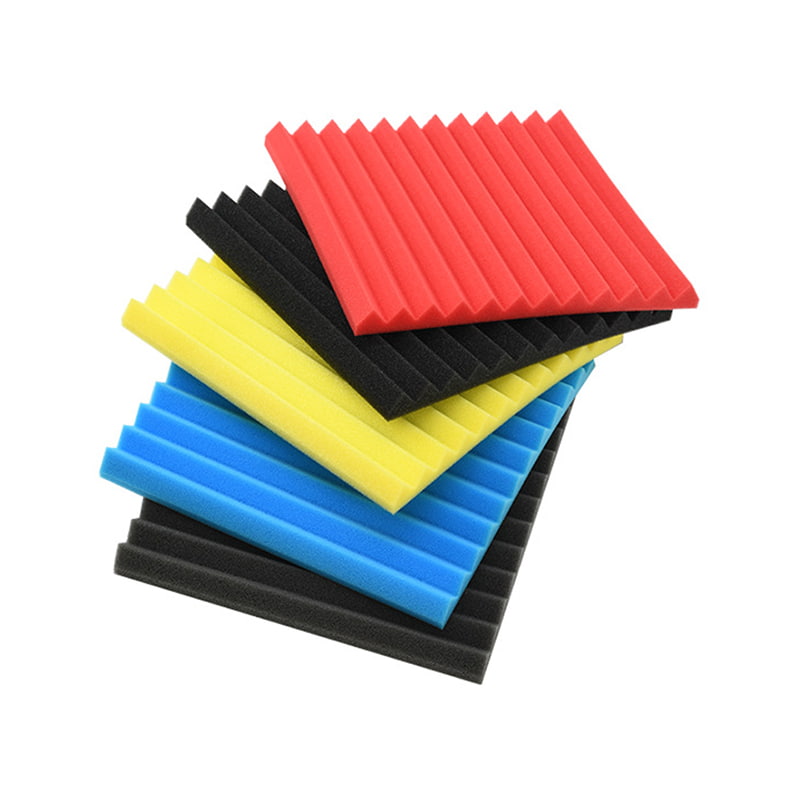
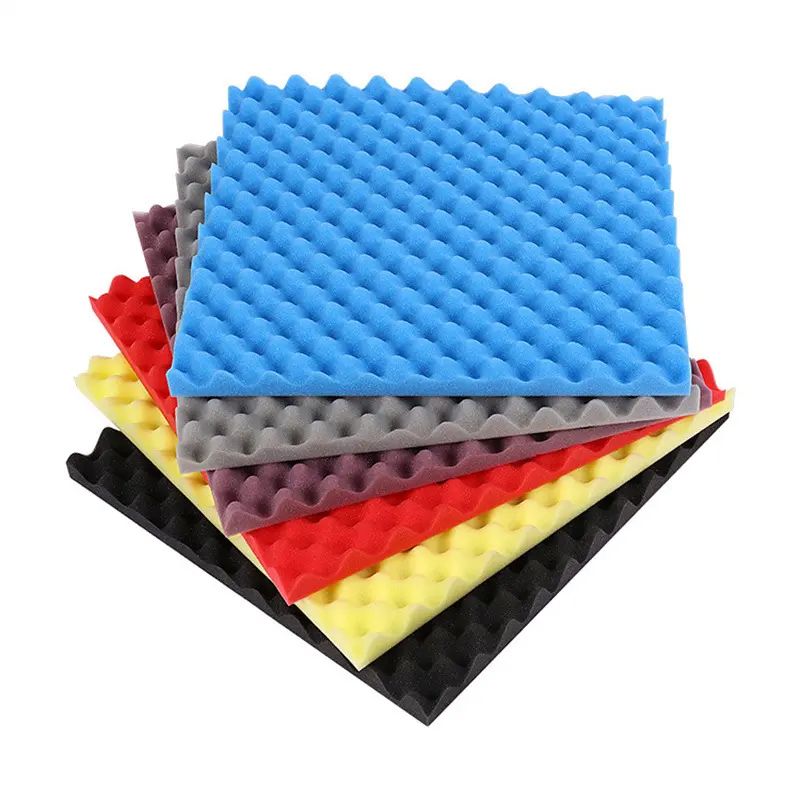
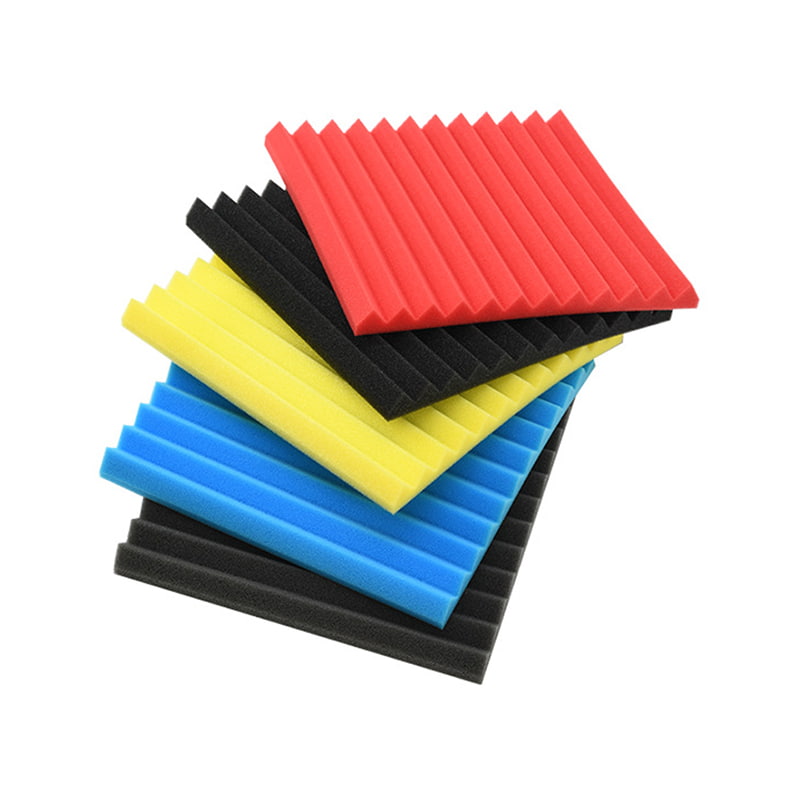
- Surface Geometry and Diffusion: One of the most significant advantages of this material is its versatile surface geometry. Products are available in egg-crate, pyramid, wedge, and convoluted shapes. These profiles do more than just look professional; they dramatically increase the surface area available for sound wave interaction and help diffuse high-frequency energy, preventing “hot spots” in a room.
Frequency Response and Lightweight Versatility
Standard Sound Insulation Sponge is most effective in the mid-to-high frequency range, typically starting from 500Hz and reaching up to 4000Hz. This makes it ideal for controlling human speech, vocal recordings, and the “shimmer” of musical instruments. Because of its lightweight nature (low density), it is the premier choice for DIY enthusiasts and home studio owners. It requires no specialized structural support and can be mounted directly to walls or ceilings using simple spray adhesives or pressure-sensitive tapes, making it a non-invasive solution for rented spaces or temporary setups.
The Industrial Strength of Rock Wool
Rock Wool, also known as mineral wool or stone wool, is a high-density fibrous material manufactured by spinning molten volcanic rock and slag into a wool-like consistency. It is considered a “heavyweight” in the professional acoustic world, favored for its exceptional mass and broadband absorption capabilities.
Dense Fiber Structure for Superior Low-Frequency Control
The primary acoustic advantage of Rock Wool over a Sound Insulation Sponge is its superior density. While acoustic foam typically has a density of 20-30 kg/m³, Rock Wool slabs can range from 40 kg/m³ to over 100 kg/m³.
- Managing Bass Energy: Low-frequency sound waves (bass) are long and carry significant energy. Lightweight foam is often “transparent” to these waves, allowing them to pass through untouched. Rock Wool’s dense fiber matrix provides the necessary resistance to trap and dissipate these powerful low-end frequencies.
- Sound Transmission Class (STC) Enhancement: Unlike sponge, Rock Wool is frequently used inside wall cavities during the construction phase. Because of its mass, it significantly increases the Sound Transmission Class of a wall, effectively “blocking” sound transmission between adjacent rooms. This makes it an essential component for soundproofing home offices or multi-unit residential buildings.
Safety, Durability, and Professional Implementation
From a safety perspective, Rock Wool is inherently non-combustible. It can withstand temperatures exceeding 1,000°C without melting or releasing toxic smoke, satisfying the most stringent commercial fire codes. However, its installation is more labor-intensive. The fibers can cause skin, eye, and respiratory irritation, necessitating the use of personal protective equipment (PPE) such as gloves, goggles, and respirators during the handling process. Furthermore, to prevent fiber shedding into the room, Rock Wool is typically housed inside wooden frames and wrapped in acoustically transparent fabric, which adds a professional aesthetic but increases the total project cost.
Technical Comparison: Acoustic Sponge vs. Rock Wool Performance
The following table provides a side-by-side technical analysis to help you determine which material fits your specific acoustic and budgetary requirements.
| Feature | Sound Insulation Sponge | Rock Wool (Mineral Wool) |
|---|---|---|
| Acoustic Function | Echo & Reverb Reduction | Sound Blocking & Bass Absorption |
| Material Density | Low (approx. 20-30 kg/m³) | High (40-120 kg/m³) |
| Fire Safety Rating | Requires Chemical Treatment | Naturally Non-Combustible (Class A) |
| Frequency Focus | Mid to High Frequencies | Full Spectrum (Broadband) |
| Installation | Simple (Adhesive / DIY) | Complex (Framing & Wrapping) |
| Air Quality | Low Fiber Shedding | Potential Irritant (Must be wrapped) |
| Moisture Resistance | High (Polyurethane) | Moderate (Requires Vapor Barrier) |
| Cost Efficiency | High (Budget Friendly) | Moderate (Higher Material/Labor Cost) |
FAQ: Frequently Asked Questions
Will Sound Insulation Sponge stop my neighbor’s barking dog?
While Sound Insulation Sponge will improve the sound quality inside your room by removing echoes, it lacks the mass required to block external noise like a barking dog. To stop outside noise from entering, you need high-density materials like Rock Wool or mass-loaded vinyl (MLV) combined with airtight seals around windows and doors.
Is acoustic foam safe for a child’s bedroom or a home nursery?
Most high-quality Sound Insulation Sponge is made from chemically stable polyurethane. However, you should always look for products that are certified “Low VOC” (Volatile Organic Compounds) and have been treated with non-toxic flame retardants. Always verify the safety certifications from the manufacturer before installing in poorly ventilated areas.
Can I paint my Sound Insulation Sponge to match my room?
It is not recommended to paint acoustic foam with standard latex or oil-based paints. Painting closes the open-cell pores of the sponge, which are essential for sound absorption. If the pores are sealed, the sponge will act as a hard surface and reflect sound rather than absorbing it. If you need color, it is better to purchase pre-colored foam or use acoustic fabric covers.
Why is Rock Wool preferred for professional recording studios?
Professional studios require “flat” acoustic responses. Sound Insulation Sponge tends to absorb only high frequencies, which can leave a room sounding “boomy” or “muddy” because the bass is still reflecting. Rock Wool provides broadband absorption, meaning it treats high, mid, and low frequencies more evenly, resulting in a more accurate environment for mixing and mastering music.
References and Technical Standards
- ISO 354:2024 Acoustics — Measurement of sound absorption in a reverberation room.
- ASTM C423: Standard Test Method for Sound Absorption and Sound Absorption Coefficients by the Reverberation Room Method.
- Cox, T. J., & D’Antonio, P. (2025). “Acoustic Absorbers and Diffusers: Theory, Design, and Application,” 4th Edition.