
 English
  日本語
日本語  Français
  русский
  Português
  Español
  عربى
عربى  中文简体
中文简体

The real difference comes down to material and performance: cellulose sponges are made from natural wood pulp and cotton fibers, giving them higher absorbency, longer durability, and better biodegradability, while regular sponges are typically made from polyurethane foam, a petroleum-based plastic that absorbs less, wears out faster, and does not break down in landfills. Cellulose sponges can absorb up to 20 times their own weight in liquid, compared to roughly 10–12 times for standard foam sponges, making them the better choice for most kitchen and household cleaning tasks.
What Are They Actually Made Of?
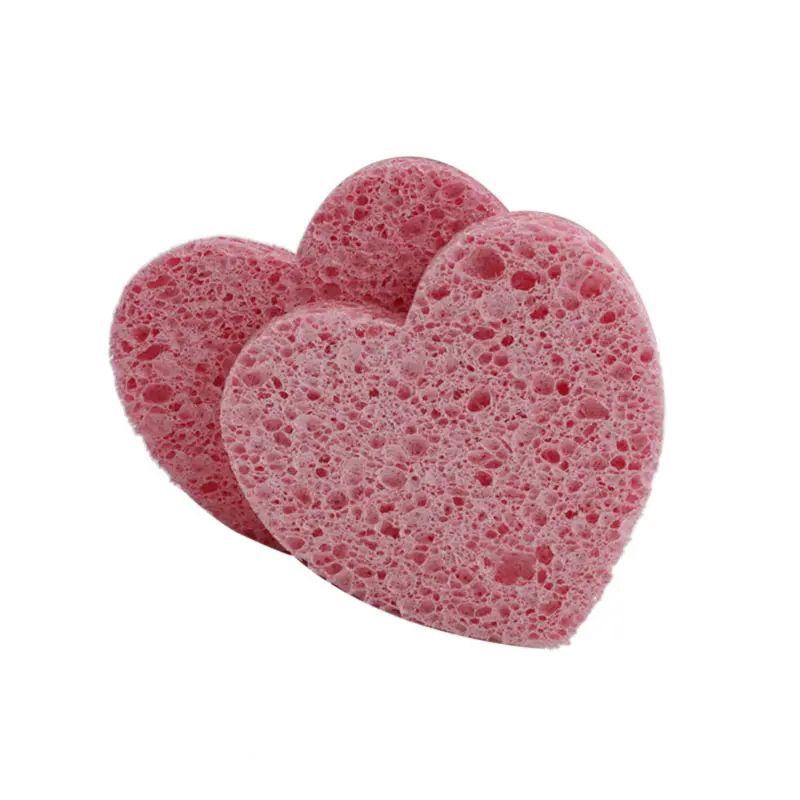
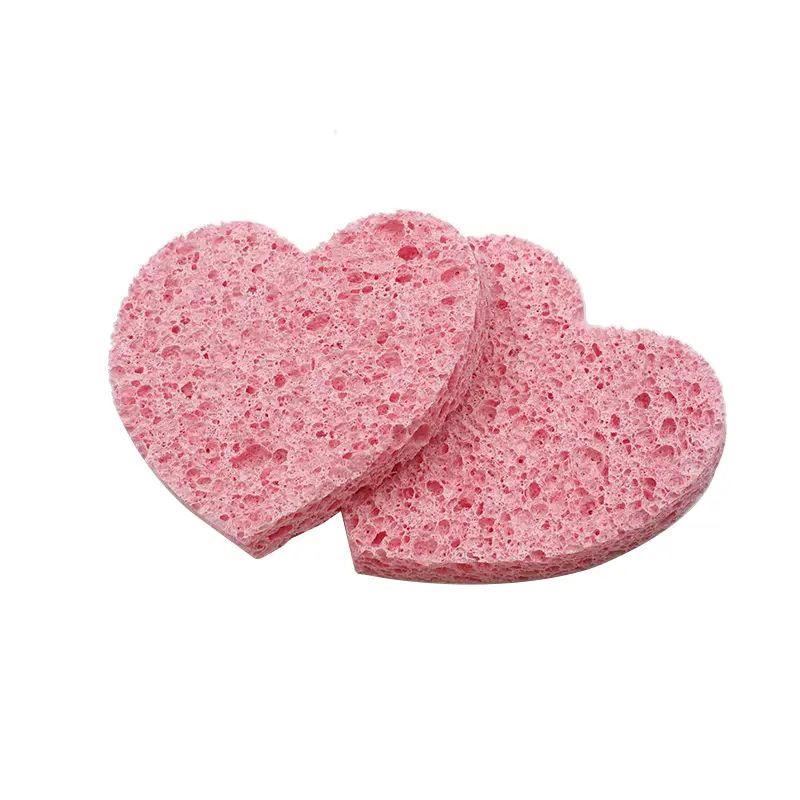
Cellulose sponges are produced from wood pulp, cotton fibers, and sodium sulfate, which are combined and processed into a porous, absorbent material. This natural composition is what gives cellulose sponges their signature soft-yet-firm texture and their ability to hold large amounts of water without disintegrating.
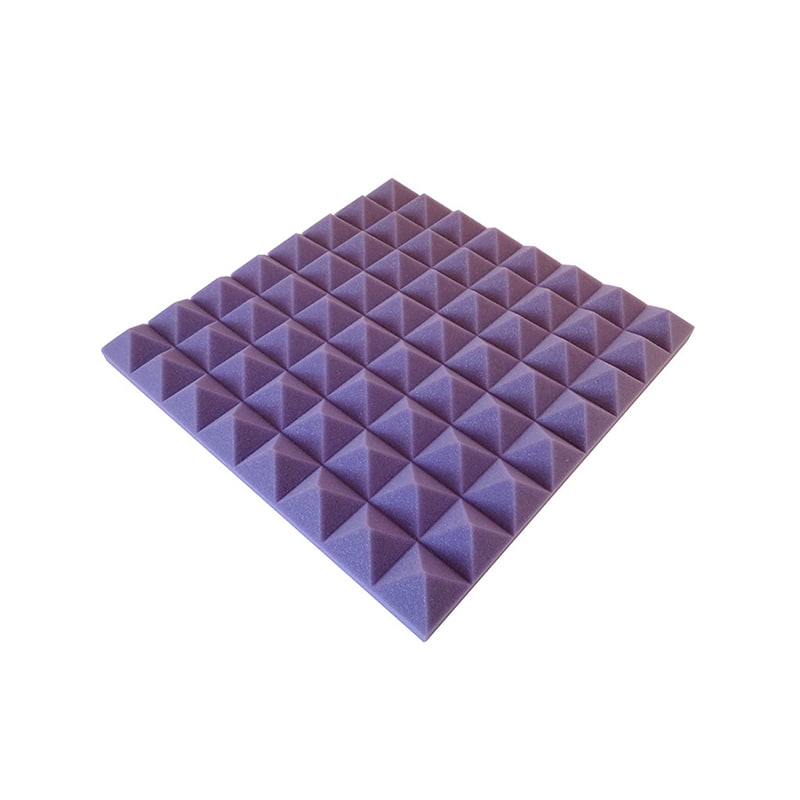
Regular sponges, on the other hand, are usually made from polyurethane foam, a synthetic plastic material. This is the same category of foam used in mattresses and cushions, engineered with an open-cell structure to trap air and liquid. While polyurethane sponges are cheap and quick to manufacture, they are derived entirely from petrochemicals and do not biodegrade.
Absorbency and Cleaning Performance
Absorbency is where cellulose sponges have a clear edge. Lab and consumer tests consistently show that cellulose sponges absorb 15–20 times their dry weight in water, while standard foam sponges typically absorb only 10–12 times their weight before liquid begins to drip out. This means fewer trips to the sink when mopping up spills and more efficient cleaning overall.
Why This Matters in Practice
- Cellulose sponges wick liquid into their cell structure rather than just holding it on the surface
- Regular foam sponges tend to push liquid around rather than fully absorbing it
- Cellulose sponges rinse out and return to near-original shape more reliably after repeated use
Durability and Lifespan
A well-maintained cellulose sponge typically lasts 3–4 weeks of daily kitchen use before it needs replacing, compared to about 1–2 weeks for a standard polyurethane foam sponge, which tends to tear, flatten, and lose its scrubbing texture more quickly. The denser fiber structure of cellulose resists compression, so it holds its shape even after dozens of wash-and-squeeze cycles.
Regular sponges degrade faster largely because polyurethane foam breaks down structurally when repeatedly compressed and exposed to hot water and detergents, causing the cell walls to collapse.
Hygiene: Which One Harbors Fewer Bacteria?
Both sponge types can harbor bacteria if left wet, but cellulose sponges dry out faster due to their open, breathable fiber structure, which helps limit bacterial growth between uses. Foam sponges, with their denser closed-cell pockets, tend to stay damp longer, creating a more favorable environment for bacteria to multiply.
Regardless of material, food safety experts recommend microwaving a damp sponge for one minute or running it through a dishwasher cycle to reduce bacterial load, and replacing any kitchen sponge every one to two weeks.
Environmental Impact
This is where the gap is largest. Cellulose sponges are made from renewable plant-based materials and are fully biodegradable, typically breaking down within a few months to a few years in composting or landfill conditions. Regular polyurethane foam sponges, by contrast, are petroleum-based plastic products that can take hundreds of years to decompose, and they shed microplastic particles during use and washing.
For households trying to reduce plastic waste, switching from foam to cellulose sponges is one of the simplest low-cost changes available.
Side-by-Side Comparison
The table below summarizes the key differences across the factors that matter most to everyday users.
| Feature | Cellulose Sponge | Regular (Foam) Sponge |
|---|---|---|
| Material | Wood pulp, cotton fiber | Polyurethane foam (plastic) |
| Absorbency | 15–20x its dry weight | 10–12x its dry weight |
| Average Lifespan | 3–4 weeks | 1–2 weeks |
| Biodegradable | Yes, within months to a few years | No, takes hundreds of years |
| Dries Between Uses | Faster (open fiber structure) | Slower (closed-cell foam) |
| Typical Price | $0.50 – $1.50 per sponge | $0.30 – $0.80 per sponge |
Cost Comparison Over Time
Regular foam sponges have a lower upfront price, often $0.30 to $0.80 per unit versus $0.50 to $1.50 for cellulose sponges. However, because cellulose sponges last roughly twice as long, the actual cost per week of use is often similar or even lower. For example, if a foam sponge needs replacing every 10 days and a cellulose sponge lasts 25 days, a household would use about 3.6 foam sponges versus 1.4 cellulose sponges per month — narrowing or eliminating the price gap while producing less waste.
Which One Should You Choose?
For everyday kitchen cleaning, dishwashing, and countertop wiping, cellulose sponges are the better overall choice thanks to their superior absorbency, longer lifespan, and biodegradability. Regular foam sponges still have a place for heavy-duty scrubbing tasks where a rougher texture or scouring pad backing is needed, such as removing baked-on grease or scrubbing grills.
Quick Recommendation
- Choose cellulose sponges for: dishwashing, wiping counters, general kitchen cleanup, eco-conscious households
- Choose regular foam sponges for: heavy scrubbing, tasks needing an abrasive scouring surface, one-off cleaning jobs
Many households find the best solution is to keep both on hand — a cellulose sponge for daily dishwashing and a foam-and-scour combo sponge reserved for tougher jobs.