
 English
  日本語
日本語  Français
  русский
  Português
  Español
  عربى
عربى 
What Are the Key Benefits of Using a Car Wash Sponge for Your Vehicle?
Using a high-quality car wash sponge provides multiple advantages over other cleaning tools such as brushes, cloths, or mitts. Car wash sponges are designed to absorb water and soap efficiently, helping remove dirt, dust, and road grime without scratching your vehicle’s paint. They allow for even distribution of car shampoo, ensuring a thorough clean and minimizing streaks. Additionally, specialized sponges, like microfiber or foam, lift dirt from the surface rather than pushing it around, which reduces the risk of swirl marks or micro-scratches. Professional detailers and car enthusiasts rely on sponges to maintain the aesthetic quality of their vehicles, preserving the finish and resale value over time.
Additional Benefits
- Gentle on paint: reduces the risk of scratches or swirl marks.
- Efficient dirt removal: absorbs more water and debris than cloths.
- Versatile: suitable for wheels, trim, and interior surfaces with proper selection.
- Cost-effective: long-lasting sponges reduce frequent replacements.
Comparison of Cleaning Tools
| Tool | Advantages | Disadvantages |
|---|---|---|
| Car Wash Sponge | Absorbs water, gentle, efficient dirt removal | Requires rinsing, can trap grit if not cleaned |
| Microfiber Cloth | Lint-free, precise cleaning for small areas | Less absorbent, slower for large surfaces |
| Brush | Strong on heavy dirt, good for textured surfaces | Can scratch paint, less gentle on finish |
How Do You Choose the Right Car Wash Sponge for Different Car Surfaces?
Choosing the right sponge depends on the type of car surface you are cleaning. Smooth painted surfaces require soft, non-abrasive sponges like microfiber or foam to prevent scratches. For textured trims or rubber seals, slightly firmer or natural cellulose sponges can handle tougher dirt without damage. Window and glass surfaces benefit from foam or microfiber sponges that reduce streaks. Additionally, consider size and shape: larger sponges cover more area quickly, while smaller detail sponges reach tight spots like mirrors and grilles. Material, absorbency, and durability should all be assessed before making a purchase.
Tips for Surface-Specific Selection
- Microfiber for delicate painted surfaces.
- Foam for large flat areas and heavy dirt.
- Natural sponges for trim or rubber surfaces.
- Small detail sponges for interior or tight spots.
Recommended Sponge Types by Surface
| Surface | Sponge Type | Reason |
|---|---|---|
| Painted Panels | Microfiber | Soft, prevents scratches |
| Glass/Windows | Foam or Microfiber | Streak-free finish |
| Wheels/Tires | Coarse Foam | Handles tough grime |
| Trim/Rubber | Natural Sponge | Flexible, safe on textured surfaces |
| Interior Surfaces | Small Microfiber | Reaches tight areas safely |
Can a Car Wash Sponge Prevent Scratches Compared to Other Cleaning Tools?
Yes, the correct car wash sponge significantly reduces the risk of scratches. Unlike brushes or rough cloths that can push dirt into paint, high-quality sponges lift and trap debris. Microfiber sponges are particularly effective because the fibers pick up dirt rather than dragging it across the surface. Foam sponges distribute soap evenly, creating a lubricated layer that protects the paint. Using a separate sponge for wheels or heavily soiled areas ensures grit does not transfer to delicate painted surfaces, further reducing the chance of scratches.
How Often Should You Replace Your Car Wash Sponge for Optimal Results?
Sponges wear out over time due to repeated use and exposure to dirt, grit, and cleaning chemicals. A worn sponge can become abrasive, increasing the risk of scratches. For frequent users, replacing sponges every 2–3 months is recommended, while occasional users might extend replacement to 6 months. Signs it’s time to replace include tearing, hardening, or trapped grit that cannot be rinsed out. Maintaining separate sponges for paint, wheels, and interior surfaces prolongs sponge life and prevents cross-contamination.
What Are the Differences Between Foam, Microfiber, and Natural Car Wash Sponges?
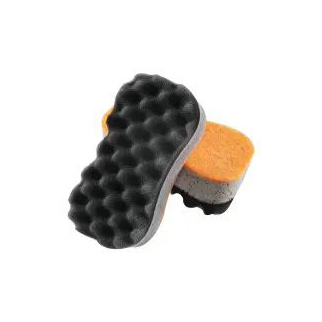
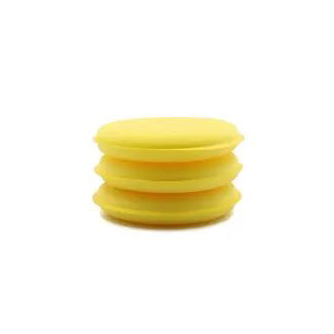
Foam sponges are soft, absorbent, and ideal for large surface areas. They are durable but can trap dirt if not rinsed properly. Microfiber sponges are composed of fine fibers that lift dirt and trap particles, making them safe for painted surfaces and glass. Natural cellulose sponges are versatile and biodegradable, with moderate absorbency, but require careful rinsing to avoid scratches. Each type offers unique advantages depending on the car surface and washing method.
How Do You Properly Clean and Maintain a Car Wash Sponge?
Proper maintenance extends sponge life and ensures safe, scratch-free washing. After each use, rinse the sponge thoroughly with clean water to remove dirt and debris. Wash occasionally with mild soap and allow to air dry completely to prevent bacterial growth. Avoid storing in damp areas. For professional detailers, maintaining separate sponges for wheels, paint, and interior surfaces prevents contamination. Regular inspection for hard particles or damage ensures optimal performance.
Can a Car Wash Sponge Be Used with Soap and Detergents Safely?
Yes, car wash sponges are designed to work with automotive soaps and detergents. Always choose pH-neutral or car-specific shampoos to prevent paint damage. Mix the soap with water to create a lubricated layer, reducing friction during washing. Avoid harsh household detergents or strong chemicals that may degrade sponge material or affect car surfaces.
How Does the Size and Shape of a Car Wash Sponge Affect Washing Efficiency?
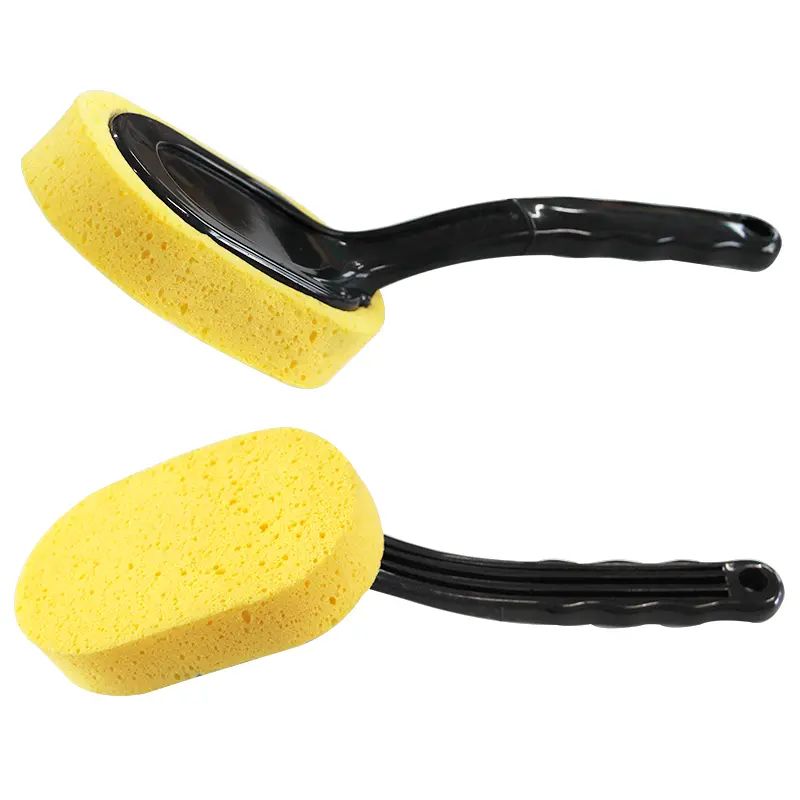
Size and shape determine how quickly and effectively you can clean your vehicle. Large rectangular or oval sponges cover more area, making them ideal for body panels. Smaller, ergonomic sponges reach mirrors, grilles, and trim. Rounded or contoured sponges provide better control in tight spots, preventing accidental scratches. Choosing the correct size and shape improves efficiency and reduces fatigue during washing.
Are There Eco-friendly or Biodegradable Car Wash Sponges Available?
Yes, eco-friendly sponges made from natural cellulose or biodegradable materials are available. These sponges perform comparably to synthetic options while reducing environmental impact. Biodegradable sponges break down naturally after disposal, making them suitable for environmentally conscious car enthusiasts. They often provide adequate absorbency and gentle cleaning for delicate car surfaces.
What Common Mistakes Should Be Avoided When Using a Car Wash Sponge?
Common mistakes include using a single sponge for all surfaces, washing without sufficient soap or water, and failing to rinse the sponge regularly. Using a sponge that has trapped grit can scratch the paint. Applying excessive pressure or using improper technique can also damage surfaces. Always use separate sponges for wheels, paint, and interior, maintain proper lubrication, and rinse thoroughly to minimize risk.
FAQ
How often should I replace my car wash sponge?
Every 2–6 months depending on usage frequency and condition. Replace sooner if torn or hardened.
Can I use one sponge for multiple surfaces?
It is not recommended. Use separate sponges for paint, wheels, and interior to avoid scratches.
What type of sponge is safest for car paint?
Microfiber or soft foam sponges are safest for painted surfaces.
Are eco-friendly sponges effective?
Yes, natural cellulose or biodegradable sponges perform well while reducing environmental impact.
References
- Autogeek – Complete Guide to Car Wash Sponges
- Meguiar’s – Car Washing Tools and Tips
- Detailing World – Best Practices for Car Wash Accessories
- Car Care Science – Foam vs Microfiber vs Natural Sponges