
 English
  日本語
日本語  Français
  русский
  Português
  Español
  عربى
عربى 
Choosing the right sound insulation sponge is essential for creating a quieter, more comfortable environment in homes and offices. Sound insulation sponges, also called acoustic foam, are designed to absorb sound waves, reduce echoes, and improve overall acoustic quality. Selecting the proper material, thickness, density, and installation method ensures maximum effectiveness, durability, and suitability for the space. Understanding the specific needs of the room, including the type of noise and its source, is the first step in selecting the most suitable solution.
Understanding Sound Insulation Sponge
What It Is and How It Works
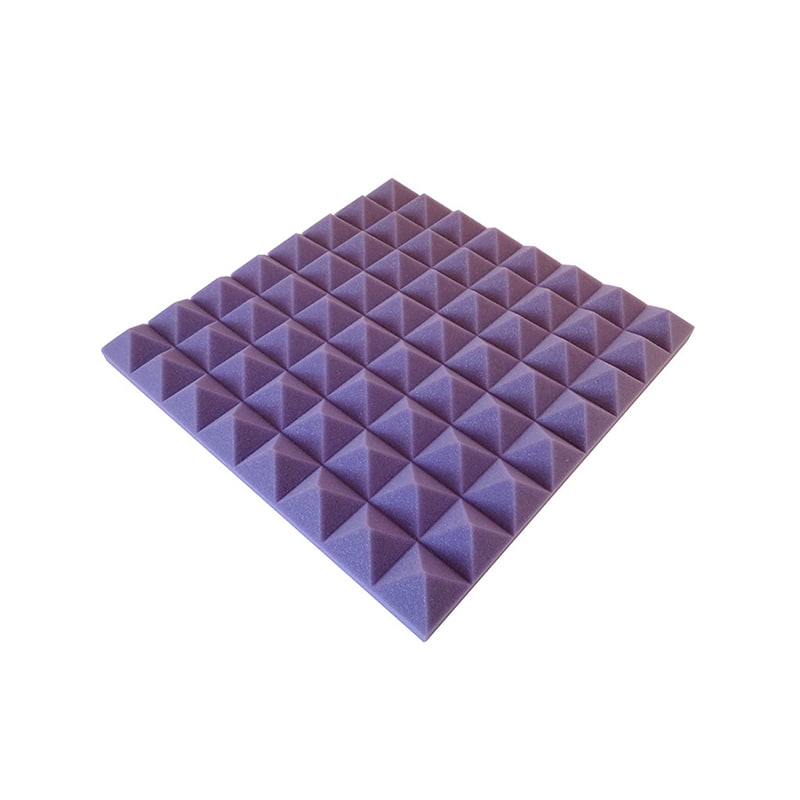
Sound insulation sponge is a porous material, typically made from polyurethane, melamine, or high-density foam. Its structure allows sound waves to enter and lose energy as they pass through, reducing reflection and vibration. The effectiveness of a sponge depends on its thickness, density, and surface design. For example, wedge or pyramid shapes increase surface area and enhance sound absorption, making them ideal for rooms with high noise levels or echo-prone spaces. The open-cell structure of the foam helps trap and dissipate sound energy, particularly in mid and high-frequency ranges.
Applications in Homes and Offices
In homes, sound insulation sponges are often used in bedrooms, living rooms, home theaters, or study areas to reduce outside noise and improve media sound quality. In offices, they help create quieter workspaces, reduce distractions, and improve concentration. By strategically placing sound-absorbing materials on walls, ceilings, and corners, both home and office environments can experience improved acoustics. Proper selection ensures that the foam complements the room’s design while providing functional noise reduction.
Key Factors in Choosing a Sound Insulation Sponge
Material Type
The material of the sponge affects its performance and suitability for different environments:
- Polyurethane Foam: Lightweight, affordable, and effective for general noise reduction in homes and offices.
- Melamine Foam: Flame-retardant and heat-resistant, suitable for professional or high-performance acoustic applications.
- High-Density Foam: Durable and capable of absorbing broader frequency ranges, ideal for high-traffic or industrial settings.
Thickness and Density
Thickness and density are critical factors in determining sound absorption. Thicker sponges absorb lower-frequency sounds, while denser materials improve performance across a broader frequency spectrum. For small home offices, a thickness of 2–4 cm may be sufficient, while professional studio rooms or large open office spaces might require 5–10 cm thickness combined with higher density foam. A proper balance of thickness and density ensures effective sound absorption without compromising room aesthetics.
Surface Design
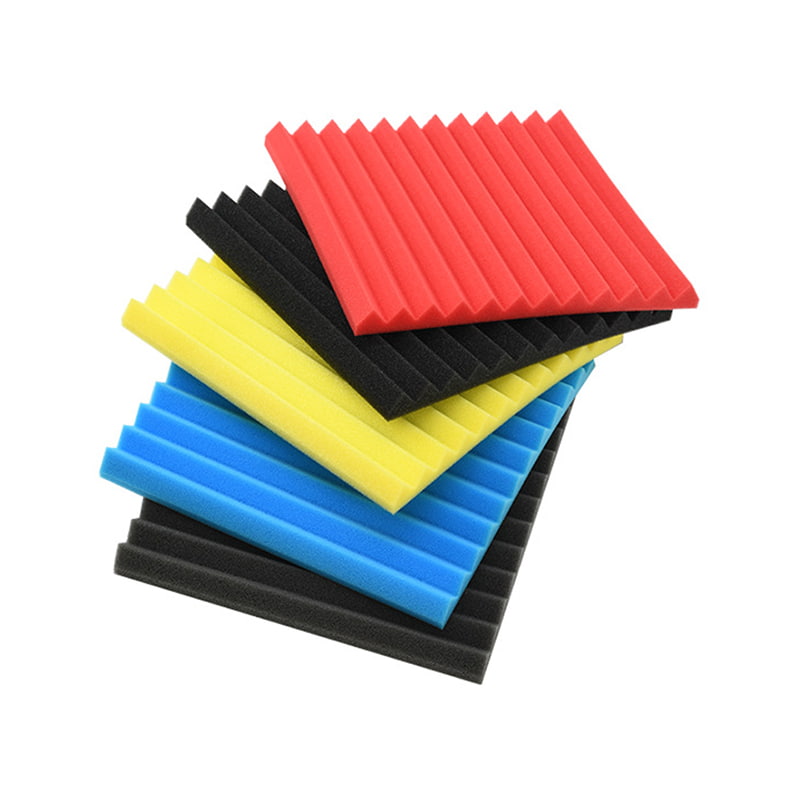
The surface pattern enhances sound absorption by increasing the effective surface area. Common designs include wedges, pyramids, and egg-crate shapes. Each design works differently depending on the type of noise, ceiling height, and room layout. Wedge shapes are effective for mid-range frequencies, pyramids handle a wider frequency range, and egg-crate designs provide economical solutions for general acoustic improvements.
Comparison Table of Common Sound Insulation Sponge Types
| Type | Material | Recommended Use | Key Features |
|---|---|---|---|
| Polyurethane Foam | PU Foam | Home, office, general noise reduction | Lightweight, affordable, effective for mid-to-high frequency noise |
| Melamine Foam | Melamine Resin | Studios, high-performance areas | Flame-retardant, heat-resistant, excellent sound absorption |
| High-Density Foam | PU or composite | High-traffic or large spaces | Durable, broad frequency absorption, suitable for low-frequency noise |
Installation Considerations
Room Size and Placement
Correct placement is key for optimal sound absorption. Foam panels should cover areas where sound reflects most, such as walls opposite noise sources, ceilings, or corners. In home offices, placing sponges on walls facing neighbors or near workstations can minimize distractions. Larger spaces benefit from combining panels of different thicknesses and densities to balance acoustic performance and reduce unwanted reverberation.
Mounting Methods
Various mounting options exist, including adhesive, Velcro, clips, or panels. Velcro or removable adhesives are suitable for rented spaces, while permanent adhesives or panel installations are ideal for long-term setups. Ensuring secure mounting prevents gaps that could reduce effectiveness and ensures panels remain in place over time.
Maintenance and Durability
Sound insulation sponges are generally low-maintenance but should be kept clean and free from dust. Vacuuming or gentle brushing helps maintain performance. High-density and melamine foams are more durable, resisting sagging and deformation over time, making them suitable for long-term use in frequently occupied spaces. Proper cleaning and care prolong the foam's life and ensure consistent sound absorption.
Choosing the right sound insulation sponge involves evaluating material, thickness, density, surface design, and installation method. Correct selection and installation improve comfort, reduce noise, and enhance acoustic quality in homes and offices. Considering these factors ensures the solution meets the functional and aesthetic requirements of the space, creating a productive and comfortable environment for occupants.
FAQ
1. Can sound insulation sponge be installed on ceilings?
Yes, ceiling installation helps reduce echo and overhead noise. Proper mounting is necessary to prevent sagging and maintain effectiveness.
2. How thick should the foam be for a small home office?
A thickness of 2–4 cm is usually sufficient for mid-to-high frequency noise. Thicker, higher-density foam may be required for larger spaces or low-frequency sounds.
3. Are all sound insulation sponges fire-resistant?
Melamine foam is naturally flame-retardant, while some polyurethane foams require additional treatment to meet safety standards.
4. How should I clean the sponge?
Use a vacuum cleaner or soft brush to remove dust. Avoid excessive moisture, which can damage the foam.
5. Can sound insulation sponges be used in industrial environments?
Yes, high-density or melamine sponges are suitable for industrial settings with high noise levels, though protective covers may be recommended for durability.
References
- Acoustic Foam Guide – Material Properties and Applications
- Noise Control in Residential and Commercial Spaces – Best Practices
- Material Safety Data Sheets for Sound Insulation Foams
- Acoustic Design Handbook – Principles and Applications