
 English
In today’s fast-paced lifestyle, kitchen cleaning efficiency has become a major concern for both households and commercial kitchens. A sponge scourer plays a critical role in reducing cleaning time and physical effort by combining multiple cleaning functions into a single, easy-to-use tool. Compared with traditional cleaning sponges or steel wool, sponge scourers are specifically designed to handle both light cleaning and stubborn residue removal, making them one of the most efficient kitchen cleaning solutions available on the market.
From washing daily dishes to removing grease from cookware, a sponge scourer significantly shortens cleaning cycles. Instead of switching between a soft sponge and a separate scrubbing tool, users can complete the entire process using one product. This all-in-one functionality is especially valuable in environments where time efficiency and consistency matter, such as busy households, restaurants, catering services, and food-processing facilities.
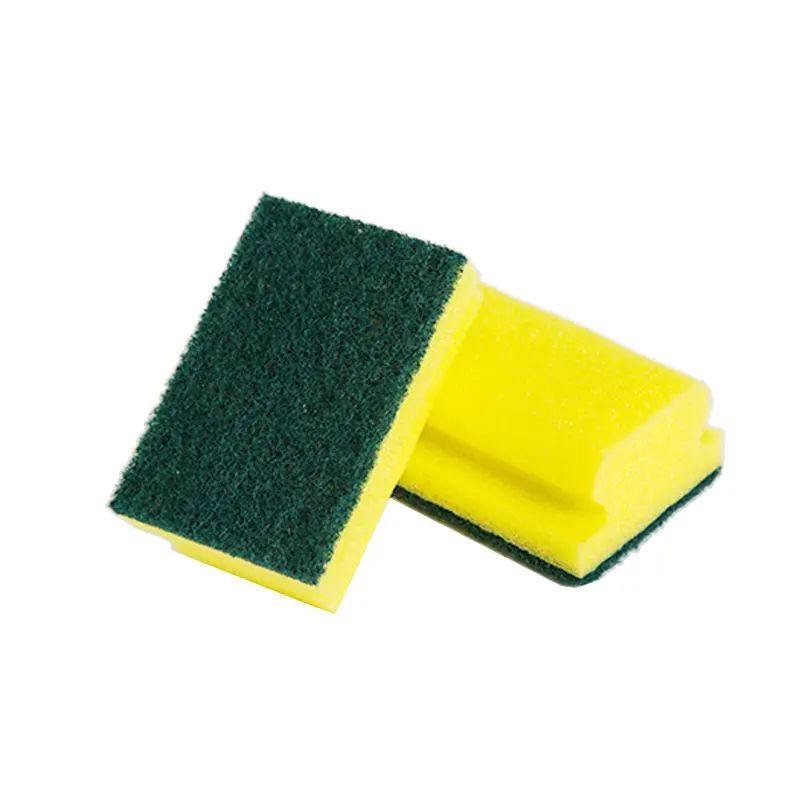
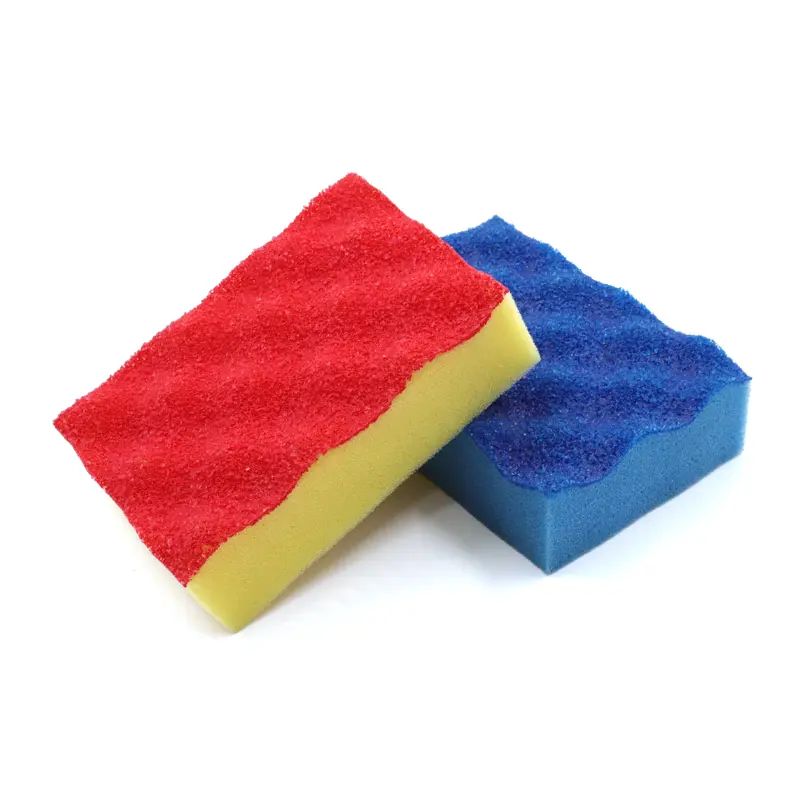
Dual-Layer Design: One Sponge Scourer, Multiple Cleaning Functions
Soft Sponge Layer for Gentle and Fast Cleaning
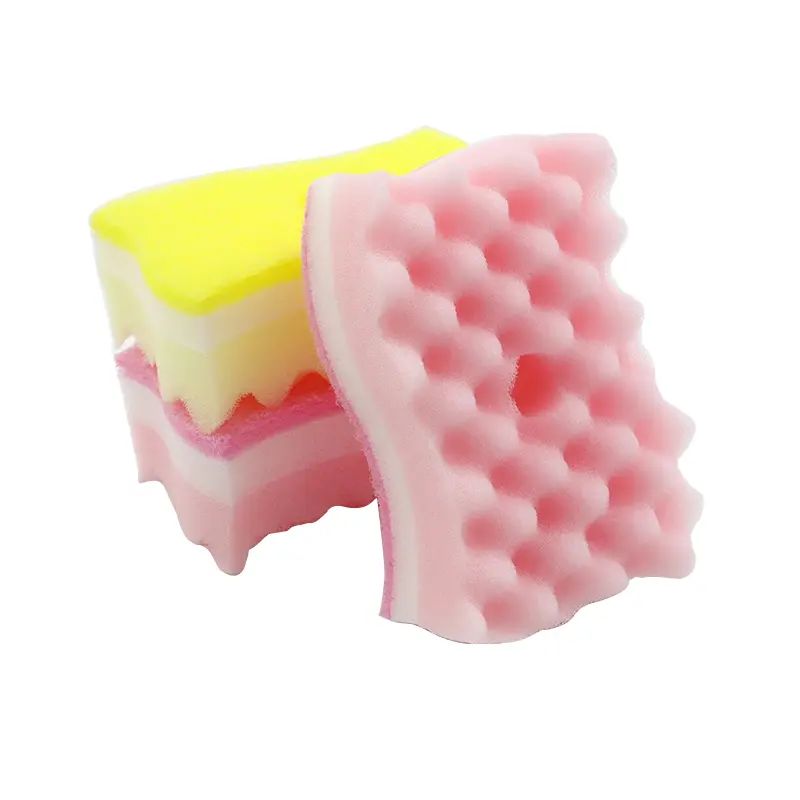
The sponge layer of a sponge scourer is designed for high water absorption and gentle surface contact. This layer allows users to quickly wipe away food residue, sauces, and liquid spills from dishes, countertops, and sinks. Because it retains water and detergent efficiently, the sponge side spreads soap evenly, improving cleaning coverage and reducing the need for frequent reapplication.
This design saves time by allowing users to clean larger surface areas in fewer motions. It also reduces physical effort, as less pressure is required to achieve visible cleaning results. For delicate items such as glassware, ceramic plates, and coated cookware, the sponge layer ensures effective cleaning without surface damage.
Scouring Pad Layer for Tough Stains and Grease
The scouring side is engineered to remove burnt-on food, grease buildup, and stubborn stains efficiently. Unlike steel wool, which can damage surfaces, modern sponge scourers use controlled abrasiveness to balance cleaning power and surface safety. This means users can remove residue faster without excessive force.
Faster Grease Removal Means Less Physical Effort
Optimized Abrasive Structure Reduces Scrubbing Time
A high-quality sponge scourer is designed to maximize friction efficiency. Instead of relying on force, it uses material structure to loosen grease and food residue quickly. As a result, users spend less time scrubbing each item, which significantly reduces hand, wrist, and arm fatigue.
This feature is particularly important for commercial kitchens, where staff may wash cookware continuously throughout the day. Reduced physical strain improves productivity and lowers the risk of repetitive strain injuries.
Reduced Need for Pre-Soaking Cookware
Soaking pots and pans is one of the most time-consuming steps in kitchen cleaning. Sponge scourers help minimize or eliminate soaking by breaking down residue on contact. This not only saves time but also speeds up kitchen turnover, an essential factor for restaurants and catering operations.
Improved Cleaning Workflow in Daily Kitchen Use
One Tool Replaces Multiple Cleaning Products
Using separate sponges, brushes, and scouring pads slows down the cleaning process. A sponge scourer simplifies workflow by handling multiple tasks with one tool. Users can switch instantly from gentle wiping to intensive scrubbing without interruption.
Suitable for Multiple Kitchen Surfaces
Sponge scourers are widely used on:
- Plates and bowls
- Pots and pans
- Stainless steel sinks
- Ceramic tiles and countertops
This versatility further reduces cleaning time and supports consistent cleaning standards across the kitchen.
Water and Detergent Efficiency: Clean More with Less
Efficient kitchen cleaning is not just about speed but also about resource optimization. Sponge scourers improve soap utilization by holding detergent within the sponge structure and releasing it evenly during use. This reduces detergent waste and improves cleaning effectiveness.
Comparison Table: Sponge Scourer vs Traditional Cleaning Tools
| Cleaning Tool | Cleaning Speed | Physical Effort | Surface Versatility | Overall Efficiency |
|---|---|---|---|---|
| Sponge Scourer | High | Low | Excellent | ⭐⭐⭐⭐⭐ |
| Regular Sponge | Medium | Medium | Limited | ⭐⭐⭐ |
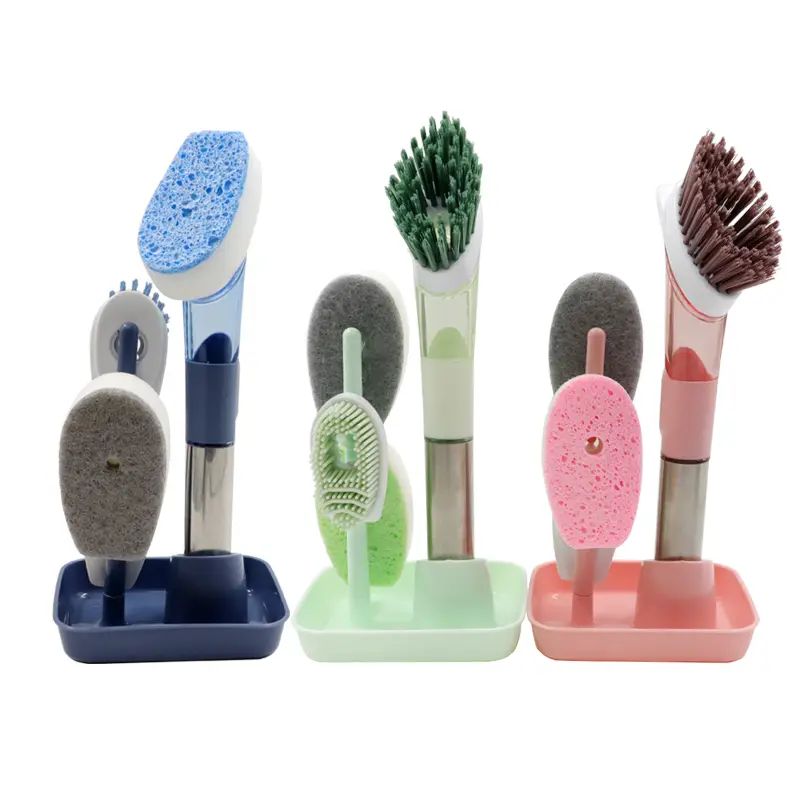
| Steel Wool | Low | High | Poor | ⭐⭐ |
| Dish Brush | Medium | Medium | Moderate | ⭐⭐⭐ |
Durability and Reusability Improve Long-Term Efficiency
Modern sponge scourers are designed for extended durability, maintaining performance over repeated use. Unlike low-quality sponges that flatten or tear quickly, durable sponge scourers reduce replacement frequency, saving time and procurement costs.
FAQ: Sponge Scourer and Kitchen Cleaning Efficiency
Q1: Why does a sponge scourer clean faster than a normal sponge?
Because it combines absorption and abrasion in one tool, reducing scrubbing time and tool switching.
Q2: Can sponge scourers reduce hand fatigue?
Yes. Faster stain removal means less pressure and fewer repeated motions.
Q3: Are sponge scourers suitable for non-stick cookware?
Yes, when using non-scratch scouring layers and gentle pressure.
Q4: How long can a sponge scourer be used?
Depending on usage, a quality sponge scourer can last several weeks or longer with proper care.
Q5: Do sponge scourers help save water and detergent?
Yes. Efficient cleaning reduces rinsing cycles and soap consumption.
References
- Journal of Household Cleaning Technology – “Efficiency Analysis of Multi-Functional Cleaning Tools”
- Foodservice Equipment Reports – “Improving Kitchen Cleaning Workflow”
- Consumer Product Research Report, 2024
- Sustainable Home Cleaning Review – “Water-Saving Cleaning Solutions”