
 English
  日本語
日本語  Français
  русский
  Português
  Español
  عربى
عربى 
The most effective way to clean and sanitize a kitchen sponge is to run it through a dishwasher cycle with a heated dry setting — achieving bacterial reduction rates of 99.9% or greater. Microwaving a saturated sponge for two minutes at full power is the most practical daily alternative, delivering comparable results in a fraction of the time. Rinsing with hot water or washing with dish soap, despite being the most common habits, rank among the least effective methods available. This guide breaks down every proven sanitizing method with the data behind each one, the correct technique for maximum effectiveness, and a realistic maintenance schedule that keeps bacterial populations consistently low without disrupting your daily kitchen routine.
Why Standard Rinsing Falls Short
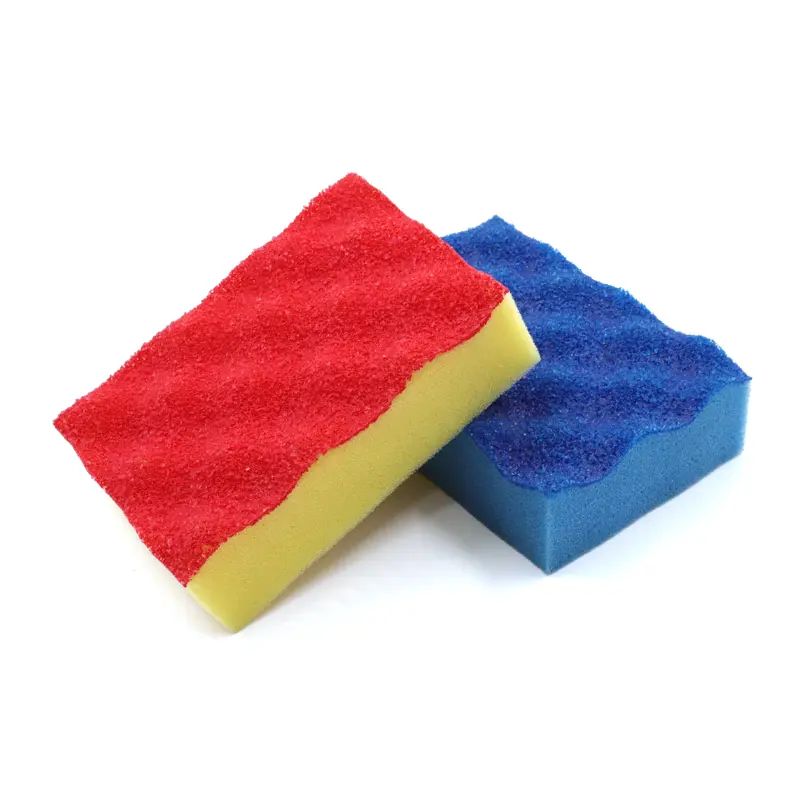
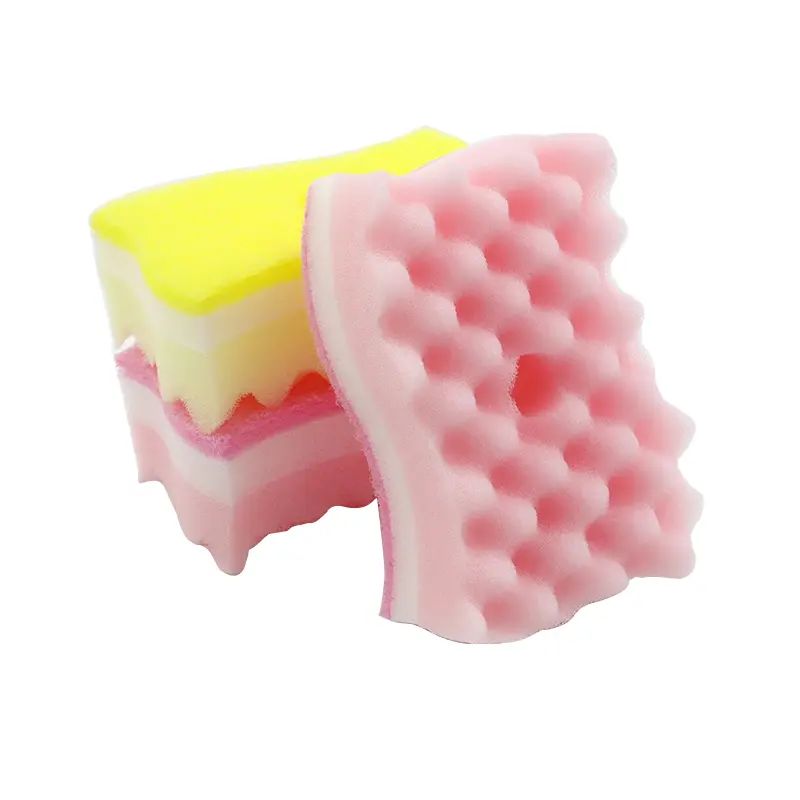
Before examining what works, it is worth understanding why the most instinctive sponge-cleaning habit — rinsing under hot running water — provides so little actual sanitation benefit. A kitchen sponge is not a flat surface. It is a three-dimensional porous matrix with an internal surface area that, when all pore walls are accounted for, can reach several square meters within a single sponge. Running water under tap pressure does not penetrate to the interior of this structure in any meaningful way — it clears loose debris from outer surfaces while leaving bacterial colonies in the deep pore network entirely undisturbed.
Household hot water taps typically deliver water at 49–60°C (120–140°F). While this temperature range is uncomfortable to the touch, it falls well below the threshold required for reliable bacterial kill — most foodborne pathogens require sustained exposure to temperatures of 70°C (158°F) or above for effective elimination. A brief rinse under tap water, even at maximum temperature, neither reaches the necessary heat nor maintains contact long enough to achieve meaningful disinfection.
Research published in Scientific Reports confirmed that used kitchen sponges harbor bacterial densities reaching 54 billion bacteria per cubic centimeter — higher than the bacterial density found in human feces. A rinsed sponge approaches these densities again within hours of washing. Recognizing this gap between perceived cleanliness and actual microbial load is the starting point for adopting methods that genuinely work.
Method 1: Dishwasher Sanitizing — The Gold Standard
Running a kitchen sponge through a full dishwasher cycle with a heated dry function consistently achieves the highest bacterial reduction rates of any commonly available household method. The combination of hot water (typically 60–71°C / 140–160°F in the main wash and rinse cycles), alkaline detergent, mechanical spray action, and sustained heat in the drying phase creates conditions that penetrate the sponge interior and eliminate bacteria across all layers of the porous structure.
A study by the USDA Agricultural Research Service compared multiple sponge sanitizing methods and found that dishwasher sanitizing with a heated dry cycle achieved bacterial reductions of 99.9998% — effectively a six-log reduction that brings even a heavily contaminated sponge to near-sterile status. No other common household method consistently matches this level of reduction.
Correct Technique for Dishwasher Sanitizing
- Place the sponge on the top rack, standing upright or propped between tines so water can circulate freely around all surfaces.
- Run a full wash cycle — not a quick or eco cycle — to ensure adequate water temperature and contact time.
- Enable the heated dry function. This step is critical: it removes residual moisture from the sponge interior, preventing immediate bacterial repopulation after the cycle ends.
- Use standard dishwasher detergent — the alkaline chemistry of dishwasher detergent contributes to bacterial cell membrane disruption beyond the thermal effect alone.
- Allow the sponge to cool and confirm it is fully dry before returning it to use. A still-damp sponge post-cycle will begin recolonizing immediately.
Recommended frequency: every 2 to 3 days for sponges in daily use. This interval prevents bacterial biofilm from becoming established while making efficient use of dishwasher cycles already running for dishes.
Method 2: Microwave Sanitizing — The Best Daily Option
For daily sponge maintenance between dishwasher cycles, microwaving is the most effective and convenient option available. Microwave energy heats water molecules within the sponge uniformly throughout its entire depth — unlike surface-level chemical or rinsing methods — generating steam temperatures that denature bacterial proteins and disrupt cell membranes across the full interior of the sponge.
A study from the University of Florida demonstrated that microwaving a wet sponge for 2 minutes at full power eliminated 99% of bacteria, including E. coli, Bacillus cereus, and other common kitchen pathogens. Extended microwave times of 3–4 minutes achieve reductions approaching 99.9%, though the additional benefit beyond 2 minutes is marginal for most household purposes.
Correct Microwave Technique
- Saturate the sponge completely with water. This is the most critical safety requirement. A dry sponge placed in a microwave can ignite. The sponge must be thoroughly wet — not just damp — before microwaving.
- Confirm the sponge contains no metallic components — metallic scrubbing pads or metallic fibers will arc in the microwave and pose a fire hazard.
- Place the wet sponge on a microwave-safe plate and microwave on full power for 1 to 2 minutes depending on sponge size and microwave wattage. A 1,000-watt microwave requires approximately 1 minute; a 700-watt microwave may need 90 seconds to 2 minutes.
- Allow the sponge to cool for at least 2 full minutes before handling. The internal temperature immediately after microwaving can exceed 80°C (176°F) and will cause burns if handled immediately.
- After cooling, squeeze out excess water and place the sponge in a ventilated holder to encourage rapid drying.
One important nuance: research published in Scientific Reports found that microwave sanitizing, while highly effective at reducing total bacterial count, may not eliminate the most resilient bacterial strains — specifically, heat-tolerant species that thrive in the environmental niches that regular sanitizing creates by eliminating their competitors. This finding underscores why regular replacement remains essential regardless of how consistently sanitizing is performed.
Method 3: Bleach Solution Soaking — Best for Heavy Contamination
Chlorine bleach (sodium hypochlorite) is one of the most broadly effective chemical disinfectants available for household use. At the correct concentration and contact time, a bleach solution achieves broad-spectrum bacterial kill including pathogens such as Salmonella, E. coli, Listeria, and Staphylococcus aureus. It is particularly useful for sponges with heavy odor buildup or those that have been used near raw meat, where pathogen load may be higher than typical.
Correct Bleach Sanitizing Technique
- Mix 1 tablespoon of household bleach (5.25–8.25% sodium hypochlorite) per 1 quart (approximately 1 liter) of cool water. This produces a solution of approximately 1,000–1,300 ppm available chlorine — sufficient for effective disinfection without excessive material degradation.
- Submerge the sponge fully and ensure all air is pressed out so the solution penetrates the interior pore network.
- Soak for a minimum of 5 minutes. Contact time is critical — a brief dip does not allow sufficient chlorine penetration into the sponge interior.
- Rinse the sponge thoroughly under running water after soaking to remove bleach residue before returning it to food contact use.
- Do not use hot water for the bleach solution — heat accelerates chlorine off-gassing, reducing the effective concentration of the solution before adequate contact time is achieved.
Bleach soaking degrades sponge material faster than heat-based methods, particularly for cellulose and polyurethane foam sponges. Limit bleach soaking to once per week as part of a rotation with microwave or dishwasher sanitizing to balance disinfection effectiveness with sponge longevity.
Method 4: White Vinegar Soaking — Practical Daily Maintenance
White vinegar (5% acetic acid) is a moderate antibacterial agent and an effective deodorizer. It works through a different mechanism than bleach or heat — acetic acid disrupts bacterial cell membranes and denatures proteins at lower concentrations than most strong disinfectants, making it effective against a broad range of common kitchen bacteria while remaining safe for daily use on food-contact surfaces.
Vinegar soaking is less effective than dishwasher sanitizing, microwaving, or bleach against the full spectrum of kitchen pathogens, but it excels as a daily maintenance step between more intensive sanitizing sessions. Its particular strengths are odor neutralization — the acetic acid chemically reacts with and breaks down the sulfur-containing volatile compounds responsible for sponge odor — and its complete safety for all sponge types with no risk of material degradation or chemical residue.
Correct Vinegar Soaking Technique
- Pour undiluted white vinegar into a bowl sufficient to submerge the sponge fully.
- Press out air from the sponge and submerge it completely, squeezing to allow vinegar to penetrate the interior.
- Soak for 5 minutes minimum. Extending to 10–15 minutes improves antibacterial penetration without adverse effects on the sponge.
- Rinse lightly under water, squeeze out excess, and place in a ventilated holder. The mild vinegar scent dissipates within minutes of air drying.
Comparing All Methods Side by Side
Understanding the relative effectiveness of each method allows for an informed, layered approach to sponge hygiene rather than relying on a single technique.
| Method | Bacterial Reduction | Time Required | Recommended Frequency | Sponge Impact |
|---|---|---|---|---|
| Dishwasher (heated dry) | 99.9998% (6-log reduction) | Full cycle (~90–120 min) | Every 2–3 days | Minimal degradation |
| Microwave (2 min, full power) | 99–99.9% | 2 min active + 2 min cooling | Daily | Minimal degradation |
| Bleach solution (5 min soak) | 99.9%+ | 5–10 min | Weekly | Moderate — accelerates wear |
| White vinegar soak (5 min) | ~70–80% | 5–15 min | Daily maintenance | Negligible |
| Hot water rinse | < 10% | 30–60 sec | Not effective alone | None |
| Dish soap washing | < 20% | 1–2 min | Not effective alone | None |
The Role of Drying in Sponge Sanitation
Sanitizing a sponge and then leaving it wet on a flat sink surface largely undoes the benefit of the cleaning step. Bacteria require moisture to reproduce — a sanitized sponge that retains water in a warm kitchen environment will begin recolonizing within hours. Drying is therefore not a separate afterthought to sanitizing — it is an integral part of the process.
After any sanitizing method, the goal is to remove as much residual moisture from the sponge as quickly as possible. Several storage practices support faster drying:
- Squeeze firmly and repeatedly after sanitizing to expel internal water before placing the sponge to dry.
- Store in a ventilated sponge holder or on a raised rack that allows airflow around all surfaces including the underside. A sponge lying flat on a wet sink drains from only one direction and stays wet much longer.
- Position the holder away from the direct splash zone of the faucet to prevent the sponge from being re-wetted between uses.
- In humid kitchens, consider placing the sponge near a window or under a range hood with airflow to accelerate the drying process.
A standard kitchen sponge stored flat on a wet surface in a typical kitchen takes 4 to 8 hours to dry completely. The same sponge stored upright in a ventilated holder can dry in 1 to 2 hours under the same ambient conditions. That difference in drying time represents multiple bacterial doubling cycles — a significant hygiene gap that costs nothing to close beyond a $10 sponge holder.
Building an Effective Weekly Sponge Sanitation Routine
An effective sponge hygiene routine does not require significant additional time — it requires consistent application of the right methods at the right intervals. The following schedule integrates seamlessly into a normal kitchen routine:
| Timing | Action | Time Cost |
|---|---|---|
| After every use | Squeeze out water, stand upright in ventilated holder | 10 seconds |
| Each evening | Microwave saturated sponge 1–2 min; cool and store upright | 4–5 minutes total |
| Every 2–3 days | Place on dishwasher top rack during regular load; use heated dry | 30 seconds prep, passive thereafter |
| Once weekly | Soak in bleach solution (1 tbsp per 1 qt water) for 5 minutes; rinse | 7–10 minutes total |
| Every 1–2 weeks | Replace sponge entirely regardless of apparent condition | 1 minute |
The replacement interval of every 1 to 2 weeks is not arbitrary. Even with rigorous daily sanitizing, bacterial biofilm — a structured community encased in a protective polysaccharide matrix — begins developing in sponge pores after approximately 1 week of regular use. Established biofilm resists thermal and chemical disinfection significantly more than planktonic (free-floating) bacteria. A sponge with mature biofilm cannot be reliably restored to safe bacterial levels by any household cleaning method — replacement is the only effective resolution.
Special Situations That Require Immediate Sponge Action
Certain kitchen events should trigger an immediate sanitizing session — or immediate replacement — regardless of where the sponge is in its regular cleaning schedule.
After Contact With Raw Meat, Poultry, or Fish
Raw animal proteins carry pathogenic bacteria including Salmonella, Campylobacter, E. coli O157:H7, and Listeria monocytogenes. Any sponge used to wipe surfaces, boards, or containers that have been in contact with raw meat should be treated as heavily contaminated. The recommended response is immediate disposal and replacement rather than sanitizing — the risk of incomplete decontamination and subsequent cross-contamination is too high to justify continued use of the sponge.
If disposal is not immediately possible, microwave the sponge for 2 minutes immediately after use and follow with a bleach soak before any further kitchen use. Treat this as a bridge measure only — replace the sponge at the next available opportunity.
After Cleaning Up After an Illness
If a sponge has been used during or after a gastrointestinal illness outbreak in the household, replace it immediately. Norovirus and rotavirus — the most common causes of household gastroenteritis — are resistant to many common disinfectants at standard concentrations and can persist in sponge material despite apparently thorough cleaning. The cost of a replacement sponge is trivially small compared to the risk of continued viral spread within the household.
After Extended Non-Use or Storage
A sponge stored damp in a closed environment — inside a cabinet, under a sink, or in a travel bag — during an extended period of non-use can develop substantial bacterial and mold growth in the absence of regular cleaning intervention. Before returning a stored sponge to kitchen use, run it through the dishwasher on a full sanitizing cycle or discard and replace it if it shows any visible discoloration or persistent odor.
Choosing the Right Sponge Type for Better Hygiene From the Start
Sponge material affects how quickly bacteria accumulate and how effectively sanitizing methods penetrate the structure. Understanding these differences allows for a more informed selection that reduces hygiene maintenance burden.
| Sponge Type | Bacterial Growth Rate | Sanitizing Effectiveness | Typical Lifespan |
|---|---|---|---|
| Standard polyurethane foam | Very high — large pore surface area | Moderate — deep pores limit penetration | 1–2 weeks |
| Cellulose sponge | High — absorbs and retains moisture well | Good — responds well to heat methods | 2–4 weeks with care |
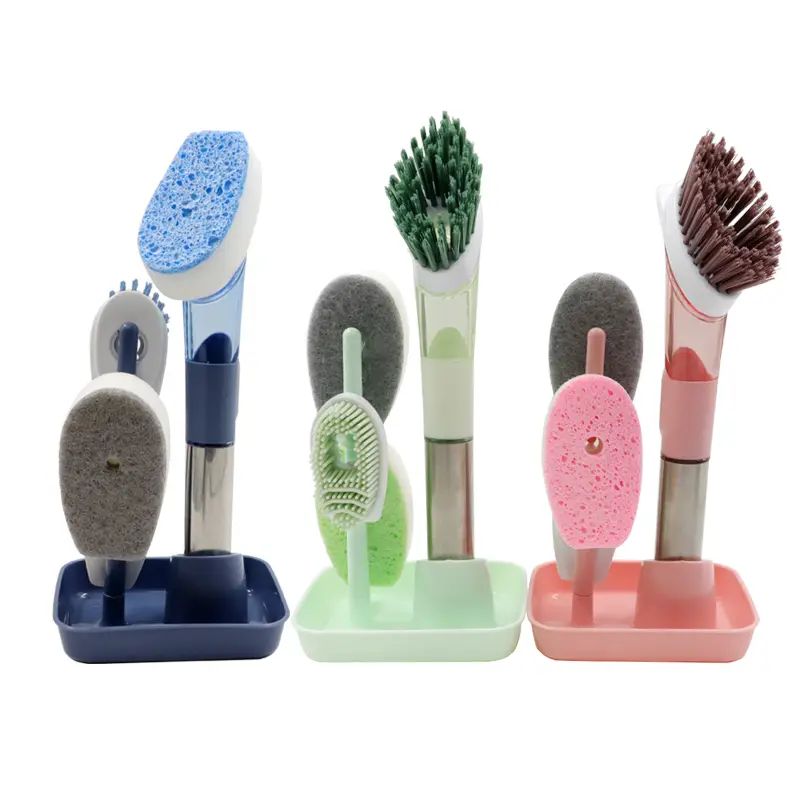
| Silicone scrubber | Low — non-porous, dries rapidly | Excellent — surface fully accessible | 6–12 months |
| Loofah (natural) | Very high — fibrous structure traps debris | Poor — irregular structure limits penetration | 1–2 weeks maximum |
| Copper scrubber | Low — copper has natural antimicrobial properties | Good — open structure allows thorough rinsing | 3–6 months |
For households where sponge hygiene is a persistent challenge, switching from a standard polyurethane foam sponge to a silicone scrubber or copper scrubber significantly reduces the bacterial maintenance burden. A silicone scrubber rinsed after each use and placed to air dry will remain at acceptably low bacterial levels far longer than any foam sponge, regardless of how conscientiously the foam sponge is cleaned.
When to Replace Rather Than Sanitize
Sanitizing extends the safe useful life of a sponge — it does not extend it indefinitely. Recognizing the point at which replacement becomes the only genuinely effective option is as important as knowing how to sanitize correctly.
- Odor returns within a few hours of sanitizing: This indicates established biofilm producing odor faster than cleaning can eliminate it. No household method reliably eliminates mature biofilm — replacement is required.
- Visible dark spotting or discoloration: Black, green, or brown patches indicate mold colonization, which is not eliminated by standard sanitizing methods and poses independent health risks.
- Physical breakdown: Crumbling, tearing, or permanent compression set increases the surface area available for bacterial colonization and makes thorough cleaning impossible.
- More than 2 weeks of daily use: As a precautionary rule regardless of apparent condition, replace after 2 weeks maximum.
Layer Your Methods and Replace Consistently
No single sanitizing method applied in isolation is sufficient for long-term kitchen sponge hygiene. The most effective approach combines daily microwaving or vinegar soaking, dishwasher sanitizing every 2 to 3 days, a weekly bleach soak, and unconditional replacement every 1 to 2 weeks. Each layer addresses the limitations of the others: heat methods complement chemical methods, consistent drying slows bacterial regrowth between cleaning sessions, and regular replacement eliminates the biofilm accumulation that no cleaning method can fully address. Applied together, these practices ensure that your kitchen sponge functions as the cleaning tool it is meant to be — not as a vehicle for redistributing bacteria across every surface it touches.