
 English
The Truth Behind the “Green” Label: Is Cellulose Truly 100% Biodegradable? As global industries and households pivot toward a circular economy, the demand for sustainable cleaning tools has reached an all-time high. The cellulose sponge is frequently marketed as the premier eco-friendly alternative ...
READ MORE

Home / Products / Microfiber Products / Microfiber Towel
Microfiber Towel Custom
Products
Microfiber Towel Suppliers
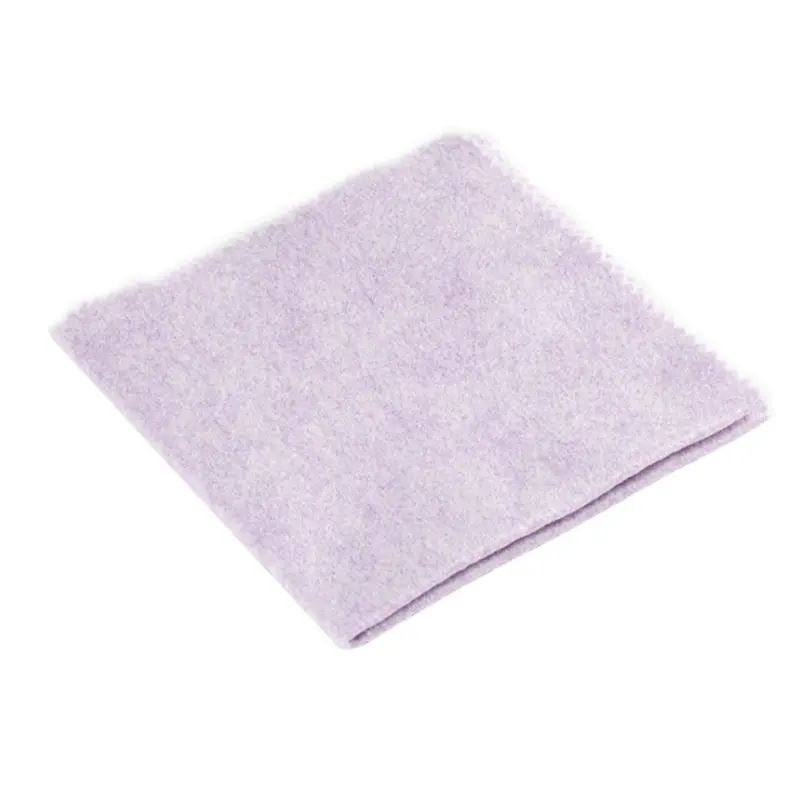
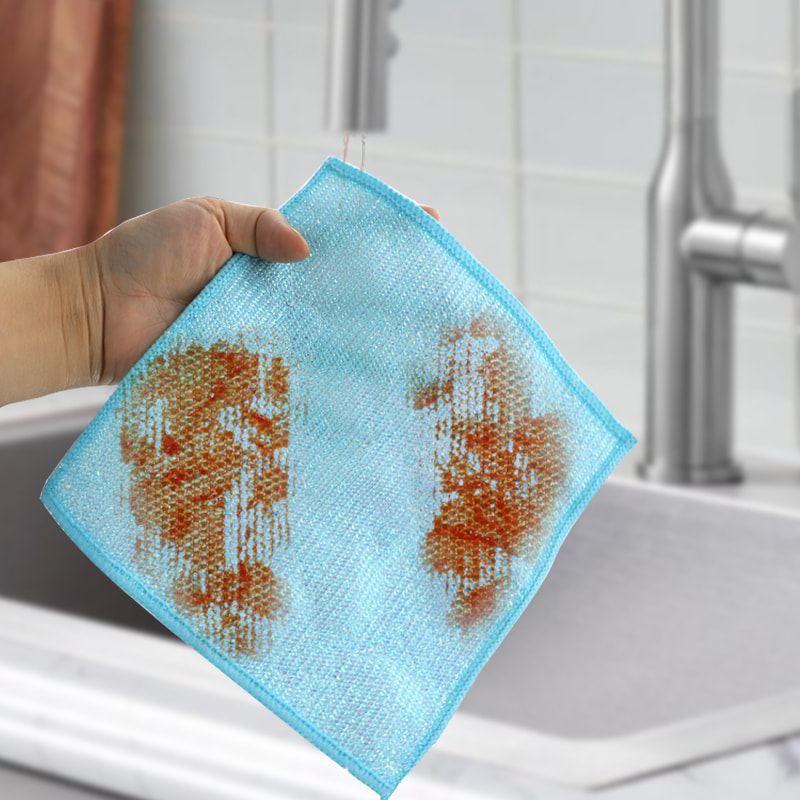
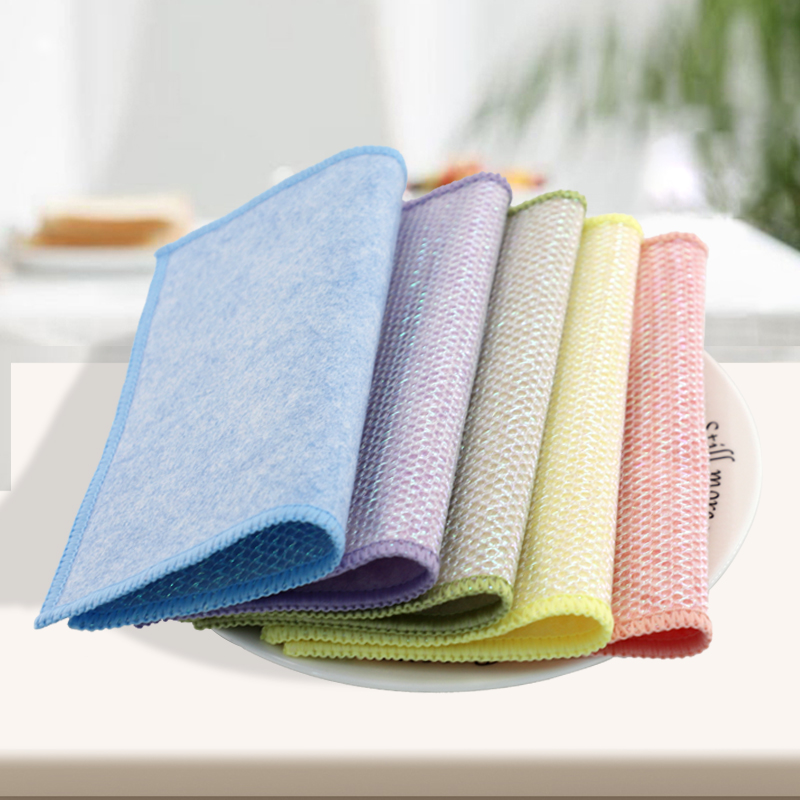
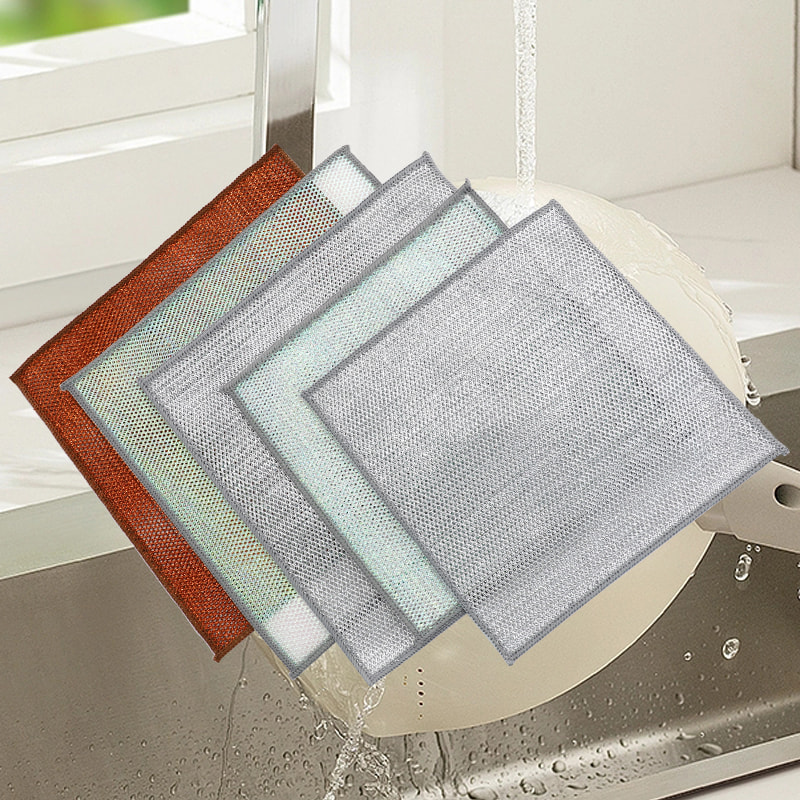
The surface properties of the warp-knitted terry cloth made by the imported loom are uniform, compact, soft, high-elastic fine velvet, and have strong decontamination and water absorption properties. There is no damage to the surface to be wiped, and no cilia loss common in cotton fabric; Easy to wash, and durable, compared with traditional cotton towels, microfiber towels have six main characteristics: 1) high water absorption 2) high water absorption 3) high water absorption 4) long service life 5) easy to clean 6) no fading
About Us
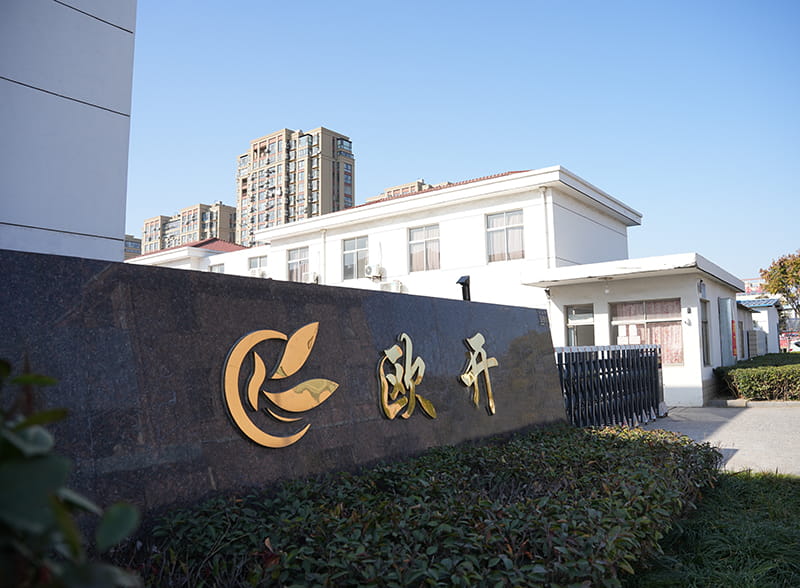
Yancheng Oukai Sponge Products Co., Ltd.
Yancheng Oukai Sponge Products Co., Ltd. was established in 2009 and covers an area of 10000 square meters.It is China Microfiber Towel Manufacturers and Wholesale Microfiber Towel Suppliers, Our company is located in Dafeng city. The traffic here is very convenient: only 40 kilometers from Yancheng Airport, and 30 kilometers from Dafeng Port. Our company will always follow the operation philosophy of "people-oriented, good faith, quality assurance " to provide high-quality sponge products for all clients both at home and abroad.
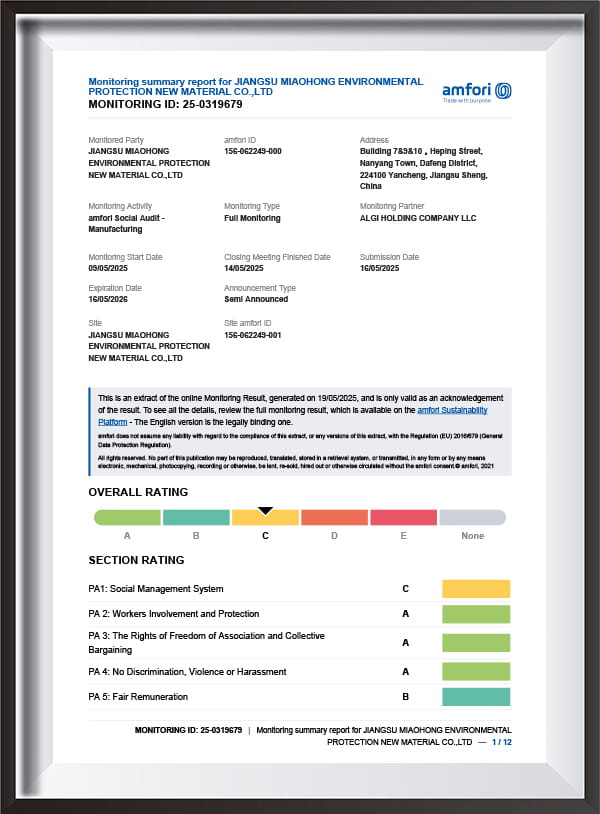
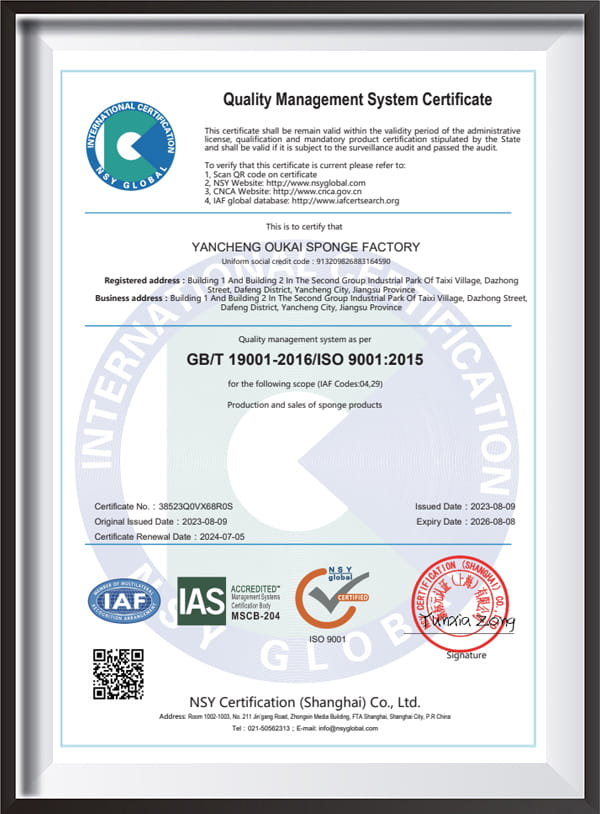
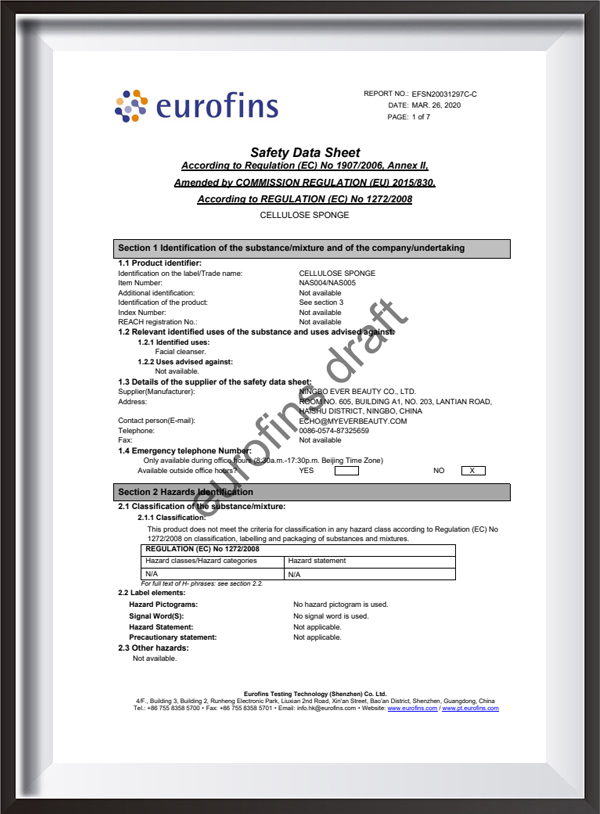
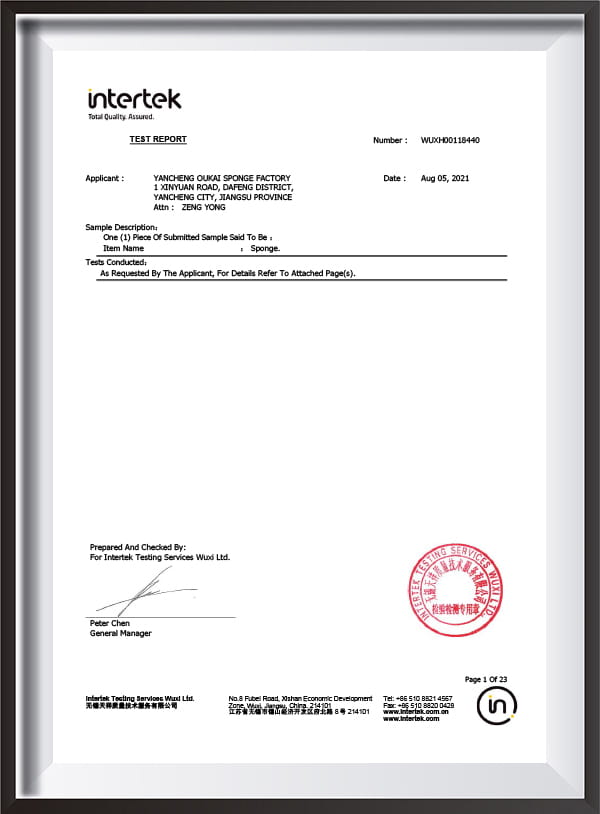
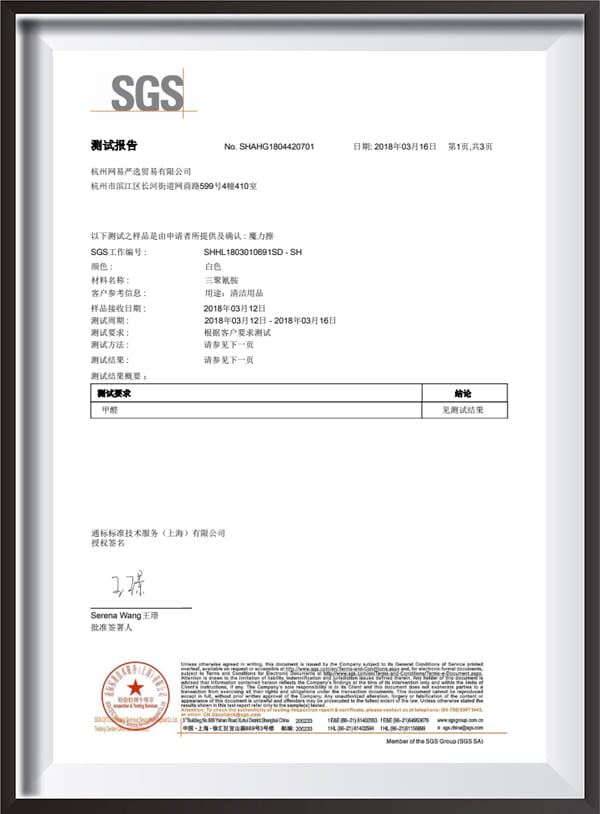
Our factory builds a unique processing and quality control system after a dozen years of exploration and practice. Our factory has already passed ISO 9001 quality and BSCI audits.
The company has developed more than 200 kinds of sponges, developed and produced more than 3000 kinds of sponge products, and created the Foamstar international trademark, to meet your diversified needs. The company mainly produces and sells the following products: Polyester, polyether sponge sponges (flame retardant sponge, filtration sponge, sound-absorbing sponge, anti-static sponge, seaweed cotton/coral sponge, slow rebound sponge, insulation, cleaning sponge, packing sponge), melamine sponge, wood pulp sponge (cellulose sponge), wood pulp cotton cloth, household cleaning (sponge, emery sponge, mesh cloth, microfiber cloth, cleaning brush, cleaning ball, garbage bags, plastic wrap, plastic bag), car cleaning, personal care products. Products continue to be sold to Japan, South Korea, the United States, Germany, Sweden, Britain, Canada, Australia, New Zealand, France, Italy, the Netherlands, Poland, Belgium, Spain, Russia, Chile, the United Arab Emirates, Brazil, Thailand and other more than 40 countries.
We have the advanced production equipment to meet the increasing demands of the market, as well as experienced designers and workers and a management system to help our products stand out from the others. We are a large-scale responsible factory, and the vast majority of our customers have given us a good reputation, We look forward to cooperating with you.
Certificate Of Honor
News
-
-
Understanding the Core Debate: Why the Tool You Choose Matters for Paint Safety When it comes to automotive maintenance, the car wash sponge vs. microfiber wash mitt debate is one of the most persistent topics in the detailing community. For a car owner or a professional detailer, the ultimate goal ...
READ MORE -
In the professional cleaning industry and high-end household maintenance, the choice of tools directly impacts the quality of the finish. For years, the market was dominated by cellulose and foam products, but the emergence of the microfiber sponge has fundamentally changed the standard for “clean.”...
READ MORE
Industry knowledge
Microfiber Towel Material Composition: How Quality Fibers Make a Difference
Microfiber towels rely on the exceptional fineness of their fibers, which are usually less than one denier in diameter. The thinness of these fibers increases the surface area available for cleaning and absorption, allowing the towel to capture dust, liquids, and micro-particles that traditional fabrics cannot reach. At Yancheng Oukai Sponge Products Co., Ltd., careful control of fiber diameter during production ensures that our towels balance softness with structural integrity. Our research team evaluates hundreds of fiber variations, measuring tensile strength, moisture wicking efficiency, and abrasion resistance to determine the optimal thickness for each application. Thinner fibers excel in capturing fine particles without scratching delicate surfaces, while slightly thicker fibers improve durability and resilience, particularly for heavy-duty cleaning and automotive applications. In addition, the uniformity of fiber diameter across the towel ensures consistent performance and prevents localized wear, which can reduce lifespan.
The fibers used by Yancheng Oukai Sponge Products Co., Ltd. undergo strict testing for uniformity, with microscopic inspections to verify strand distribution and surface smoothness. This allows our microfiber towels to retain absorbency and softness even after hundreds of uses and repeated washing cycles. The ultrafine fiber diameter also enhances capillary action, enabling the towel to draw liquids into the fiber matrix efficiently, which accelerates drying and prevents streaking on glass or polished surfaces. For personal care applications, the controlled fineness of fibers ensures a gentle touch on skin and hair while maintaining the ability to absorb moisture rapidly. By carefully balancing fiber diameter, Yancheng Oukai Sponge Products Co., Ltd. creates microfiber towels suitable for diverse markets worldwide, including household cleaning, industrial use, automotive care, and personal hygiene. The fine fibers combined with precision weaving techniques ensure that our products perform consistently, offering long-term reliability and superior cleaning effectiveness.
Microfiber towels achieve extraordinary cleaning efficiency through split fiber construction, a process that divides each fiber into multiple micro-strands. This increases the number of edges available to lift dust, dirt, and oils while maintaining softness. At Yancheng Oukai Sponge Products Co., Ltd., we refine the splitting process to achieve precise ratios, which affects absorbency, durability, and surface contact. Each fiber is split to a level that maximizes performance without compromising strength, allowing our towels to capture microscopic particles effectively. The split fiber design also increases capillary action, allowing liquids to move rapidly into the fiber channels, which accelerates drying and enhances absorbency. By optimizing the fiber splitting process, Yancheng Oukai Sponge Products Co., Ltd. ensures that our towels maintain high performance after repeated washing and mechanical stress. For automotive polishing or delicate glass surfaces, split fibers lift dirt without scratching, while for industrial applications, the design enables efficient absorption of liquids, oils, and chemicals.
The density and distribution of split fibers are carefully engineered so that the towel maintains structural stability, preventing sagging, pilling, or deformation during use. In addition, split fibers improve airflow through the towel during drying, which reduces microbial growth and enhances hygiene, a feature increasingly requested by global consumers. The precise splitting technology applied by Yancheng Oukai Sponge Products Co., Ltd. also allows for specialized textures, such as plush loops or waffle patterns, tailored for specific cleaning applications. This attention to fiber splitting ensures that our microfiber towels combine maximum contact area, efficient liquid absorption, and long-lasting durability, meeting the high standards required in household, automotive, personal care, and industrial markets.
The ratio of polyester to polyamide fibers determines the microfiber towel’s performance in terms of absorbency, softness, and durability. Polyester contributes structural strength, abrasion resistance, and quick-drying properties, while polyamide enhances softness and hydrophilicity, allowing water molecules to be absorbed rapidly. At Yancheng Oukai Sponge Products Co., Ltd., extensive testing of blend ratios ensures that our towels achieve the desired balance for each intended use. Towels with a higher polyamide content are preferred for gentle polishing and personal care applications because they absorb moisture effectively and glide smoothly over delicate surfaces. Conversely, higher polyester content increases tensile strength and durability, which is essential for heavy-duty cleaning or automotive drying, where friction and repeated mechanical stress are frequent. Yancheng Oukai Sponge Products Co., Ltd. also considers the end-user environment, adjusting fiber composition for factors such as ambient humidity, exposure to chemicals, and frequency of washing.
Fine-tuning the blend ratio affects how quickly towels absorb liquids, resist wear, and maintain their shape over time. In industrial applications, specific blend ratios allow our towels to absorb oils, solvents, and cleaning agents without degrading the fiber structure, ensuring consistent performance under demanding conditions. The blend optimization process at Yancheng Oukai Sponge Products Co., Ltd. involves laboratory simulations of usage scenarios, testing absorption capacity, drying speed, and structural integrity across thousands of cycles. This guarantees that each towel delivers predictable performance, whether used for delicate glass surfaces, household dusting, automotive detailing, or personal care. The careful engineering of fiber ratios enables our microfiber towels to provide a reliable, multi-functional solution to a wide range of cleaning and maintenance challenges worldwide.
Beyond the fiber composition itself, the weave or knit pattern of microfiber towels plays a significant role in performance. Weave density, loop height, and texture determine how effectively the towel interacts with surfaces, captures particles, and absorbs liquids. At Yancheng Oukai Sponge Products Co., Ltd., multiple weave designs are employed to create towels optimized for various applications. Flat weave towels provide smooth contact, ideal for polishing glass and high-gloss surfaces without leaving streaks. Loop pile towels increase surface area and absorbency, capturing dust, debris, and liquids efficiently for household cleaning. Waffle weave towels enhance airflow and drying speed, reducing microbial growth while maintaining high absorbency. The construction process is carefully monitored to ensure uniform fiber tension, loop consistency, and edge stability.
Deviations in weaving can lead to uneven absorbency, fraying, or deformation over time. Yancheng Oukai Sponge Products Co., Ltd. uses precision looms and automated monitoring systems to guarantee uniformity across production batches. We also test weave patterns under simulated usage conditions, evaluating resistance to mechanical stress, abrasion, and repeated washing. This ensures our microfiber towels maintain their structural integrity and performance across hundreds of cycles. For automotive detailing, the weave is designed to lift dirt while preventing scratches, and for personal care, the weave provides softness while maximizing liquid absorption. Proper weave and construction allow our towels to achieve a balance of softness, absorbency, durability, and hygiene, making them suitable for multiple global markets.
-

Contact Information
No. 5 Heping Street, Nanyang Town, Dafeng District, Yancheng City, Jiangsu Province +8615195163208
-
CONTACT US

Copyright © Yancheng Oukai Sponge Products Co., Ltd. All Rights Reserved.
Custom Microfiber Towel Suppliers
