
 English
  日本語
日本語  Français
  русский
  Português
  Español
  عربى
عربى 
Understanding the Core Debate: Why the Tool You Choose Matters for Paint Safety
When it comes to automotive maintenance, the car wash sponge vs. microfiber wash mitt debate is one of the most persistent topics in the detailing community. For a car owner or a professional detailer, the ultimate goal is to achieve a pristine, mirror-like finish without introducing “swirl marks” or “micro-scratches.” The clear coat on a modern vehicle is surprisingly thin—often thinner than a post-it note—and the mechanical action of dragging dirt across this surface can lead to permanent damage. This is why selecting the right car wash equipment is not just about convenience; it is about asset preservation.
The Mechanics of Surface Contact
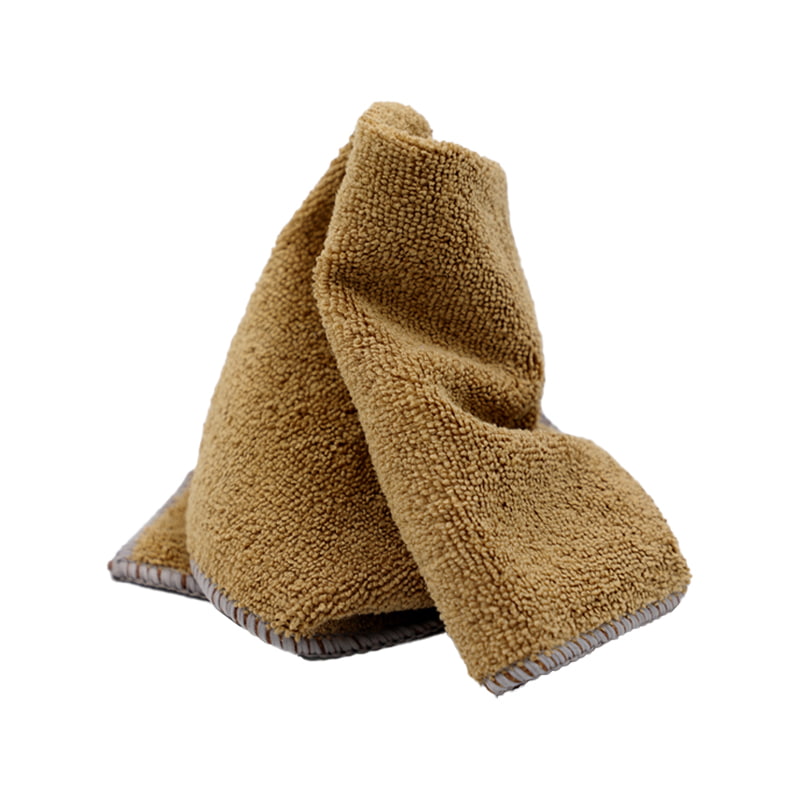
To understand which tool is superior, we must look at how they interact with contaminants. A traditional car wash sponge is often criticized for its flat surface, which can potentially trap grit between the sponge and the paint, acting like sandpaper. However, modern industrial car wash sponges have been re-engineered with advanced cell structures to mitigate this risk. On the other hand, the microfiber wash mitt uses thousands of tiny synthetic filaments to lift and encapsulate dirt. The choice between them often boils down to the specific detailing scenario, the type of vehicle, and the user’s washing technique.
The Evolution of the Professional Car Wash Sponge
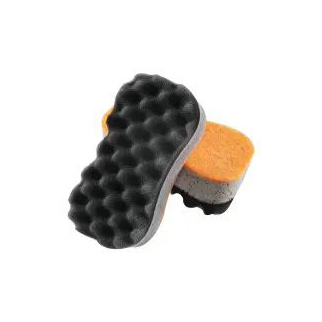
The “sponge” people often fear is the cheap, yellow, bone-shaped variety found in grocery stores. In contrast, a premium car wash sponge used by professionals today features a honeycomb or “big-pore” design. These large pores act as reservoirs for grit to migrate away from the surface of the sponge. By moving the dirt into these “valleys,” the sponge maintains a cleaner contact patch with the car’s paint, significantly reducing the friction that leads to unsightly scratches.
Technical Comparison: Evaluating Performance, Durability, and Lubrication
When we analyze these tools for a business website, we must focus on the technical metrics that matter to the end-user: water retention, chemical resistance, and ease of maintenance. For those looking to optimize their car detailing workflow, the efficiency of the tool is just as important as its safety.
Comparative Analysis: Sponge vs. Mitt
| Feature | High-Density Car Wash Sponge | Microfiber Wash Mitt |
|---|---|---|
| Material Composition | Hydrophilic Polyurethane | Polyester/Polyamide Blend |
| Water Retention | Extremely High (Holds more “wash liquor”) | High (Absorbs quickly) |
| Dirt Entrapment | Pore-based (Requires frequent rinsing) | Fiber-based (Deep encapsulation) |
| Ease of Cleaning | Instant (Debris flushes out easily) | Moderate (Requires machine washing) |
| Durability | Excellent (Resistant to harsh chemicals) | Moderate (Fibers can mat or fray) |
| Primary Use Case | Heavy Soiling / Lower Panels | Maintenance Washes / Delicate Paint |
The Importance of Lubrication and “Suds”
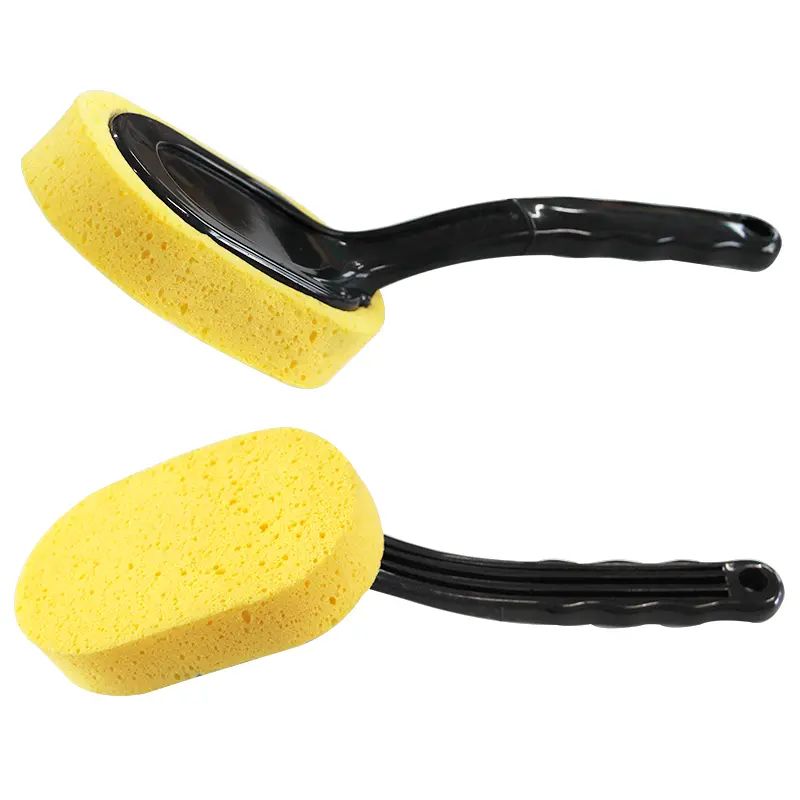
One area where the industrial car wash sponge excels is in its ability to hold a massive volume of soapy water. In professional detailing, lubrication is the primary defense against scratches. A highly saturated sponge provides a constant “curtain” of water and foam between the tool and the paint. While microfiber mitts are excellent at trapping dirt, they can sometimes become “clogged” with debris during a single pass, requiring more frequent dunking in the rinse bucket. For larger vehicles like SUVs or commercial vans, the superior water capacity of a large-capacity car wash sponge can significantly speed up the washing process without sacrificing safety.
Maintenance and Best Practices: How to Maximize Tool Life
Regardless of whether you choose a sponge or a mitt, the way you maintain your car wash accessories determines the safety of your next wash. A contaminated tool is the number one cause of paint defects, making maintenance protocols a vital part of any detailing guide.
Proper Rinsing and the Two-Bucket Method
To ensure a scratch-free car wash, we always recommend the “Two-Bucket Method.” One bucket contains your soap solution, and the other contains clean water for rinsing.
- For the Sponge: After each panel, squeeze the sponge in the rinse bucket. Because of its open-cell structure, the dirt is released almost instantly. This “self-cleaning” property is why many professionals prefer sponges for cleaning the lower, grittier sections of a vehicle.
- For the Mitt: Microfiber requires more agitation to release trapped grit. You must “scrub” the mitt against a grit guard at the bottom of your bucket to ensure the fibers are free of debris.
Drying and Storage
Microfiber mitts must be machine-washed (without fabric softeners) and air-dried to prevent the fibers from melting or clumping. In contrast, a synthetic car wash sponge is much lower maintenance. It can be rinsed, squeezed, and left to air dry. However, it is crucial to store both tools in a dust-free environment. A sponge left on a dusty shelf will absorb particles into its pores, which can then be transferred to your paint during the next wash.
FAQ: Frequently Asked Questions about Car Wash Tools
1. Is a car wash sponge safe for ceramic coatings?
Yes, a high-quality car wash sponge is perfectly safe for ceramic-coated cars. In fact, many coating manufacturers recommend sponges because they are less likely to “grab” onto the coating than some high-pile microfiber mitts, making the wash process smoother.
2. How often should I replace my car wash sponge?
For professional use, we recommend replacing your car wash sponge every 3 to 6 months, or sooner if you notice any tearing or permanent staining. For personal use, a well-maintained sponge can last up to a year.
3. Can I use a regular kitchen sponge to wash my car?
Absolutely not. Kitchen sponges are designed to be abrasive to remove dried food from plates. They will instantly ruin your car’s clear coat. Always use a dedicated automotive-grade car wash sponge.
References and Further Reading
- International Detailing Association (IDA): Standard Operating Procedures for Professional Automotive Detailing.
- Society of Automotive Engineers (SAE): Evaluation of Surface Friction and Abrasive Wear in Vehicle Cleaning Cycles.
- Journal of Applied Polymer Science: Water Absorption and Retention Properties of Open-Cell Polyurethane Foams.