
 English
  日本語
日本語  Français
  русский
  Português
  Español
  عربى
عربى 
The Truth Behind the “Green” Label: Is Cellulose Truly 100% Biodegradable?
As global industries and households pivot toward a circular economy, the demand for sustainable cleaning tools has reached an all-time high. The cellulose sponge is frequently marketed as the premier eco-friendly alternative to petroleum-based plastic sponges. However, as “greenwashing” becomes more prevalent, savvy consumers and procurement officers are asking: Is it truly 100% biodegradable? The answer is a definitive yes—but with specific caveats regarding its manufacturing and additives.
What Defines a Pure Cellulose Sponge?
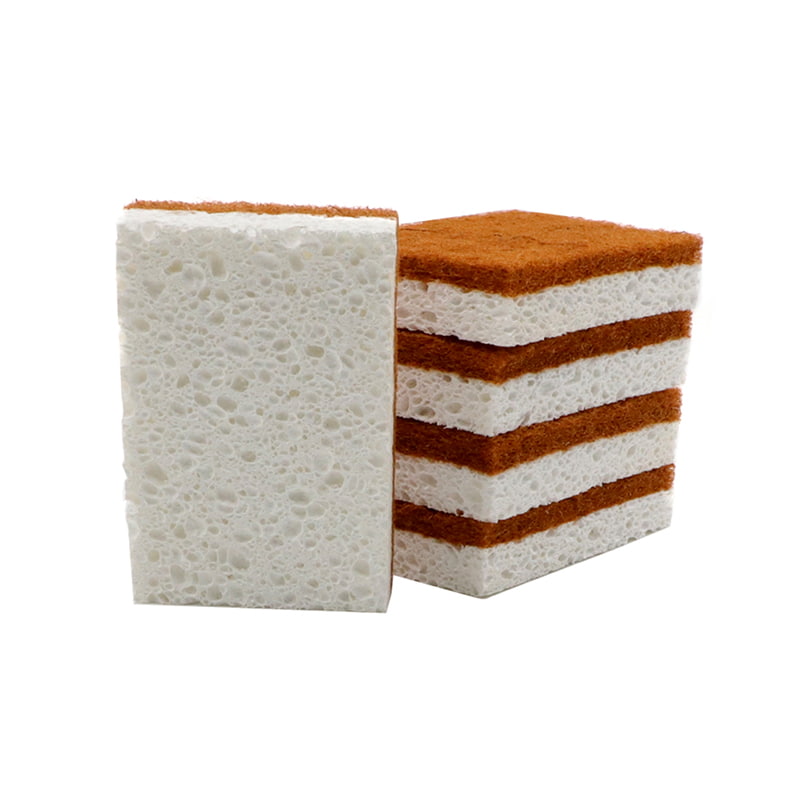
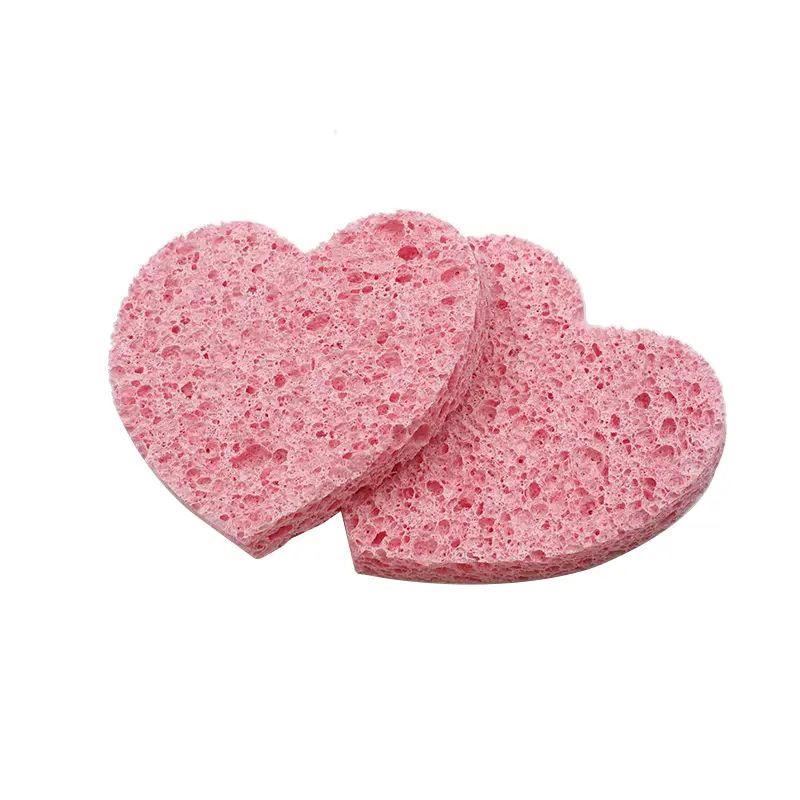
A high-quality industrial cellulose sponge is essentially a bio-based polymer derived from natural wood pulp, flax, or hemp fibers. The manufacturing process involves creating a chemical slurry that is then hardened using sodium sulfate crystals. These crystals eventually wash away, leaving behind the characteristic “pores” that make the sponge so absorbent. Because the primary ingredient is organic plant matter, the molecular structure is easily recognized and broken down by microorganisms in soil and water.
The Decomposition Process: From Kitchen to Compost
In a controlled composting environment, a 100% natural cellulose sponge can break down in as little as 4 to 10 weeks. Unlike synthetic polyurethane sponges that fragment into harmful microplastics, a pure cellulose product returns to the earth as organic carbon. This makes it an essential component of zero-waste cleaning kits. To ensure full biodegradability, users must verify that the sponge is free from polyester reinforcements or chemical antimicrobial coatings that could leach toxins during the decomposition process.
Technical Superiority: Why Cellulose Outperforms Synthetic Alternatives
Beyond its environmental credentials, the cellulose sponge is a technical powerhouse in terms of fluid dynamics and chemical resistance. For businesses looking to optimize their industrial cleaning supplies, understanding the performance metrics is key to a successful transition to sustainable materials.
Comparative Analysis: Cellulose vs. Synthetic Materials
| Feature | Premium Cellulose Sponge | Standard Polyurethane Sponge |
|---|---|---|
| Primary Material | Natural Wood Pulp (Renewable) | Petroleum (Fossil Fuel) |
| Liquid Absorption | Up to its dry weight | its dry weight |
| Heat Resistance | Can be boiled/microwaved to sanitize | Melts or releases toxic fumes |
| Microplastic Leakage | Zero (Natural fibers) | High (Synthetic shedding) |
| Chemical Compatibility | High (Solvents, bleach, oils) | Low (Degrades with certain chemicals) |
| Environmental End-of-Life | Home & Industrial Compostable | Landfill only |
The Science of Capillary Action
The “secret sauce” of the absorbent cellulose sponge is its capillary structure. The irregular size of its pores allows for rapid liquid uptake and, more importantly, high “liquid retention.” In an industrial setting—such as laboratory spill management or precision surface wiping—this means fewer wipes are needed to dry a surface, leading to increased labor efficiency and reduced material waste. Furthermore, because cellulose is a dense fiber, it does not leave the “streaks” or lint commonly associated with cheap foam alternatives.
Safety and Hygiene: Can Cellulose Sponges Harbor Fewer Bacteria?
One of the primary concerns with any cleaning tool is its ability to remain sanitary. A common misconception is that natural materials rot faster or harbor more germs. However, the physical properties of natural wood pulp sponges actually provide a hygienic advantage when managed correctly.
The “Dry-Hard” Defense Mechanism
If you have ever noticed that your cellulose sponge becomes rock-hard when dry, you are witnessing its built-in hygiene feature. Bacteria thrive in damp, dark environments. When a cellulose sponge dries, it shrinks and hardens, effectively “locking out” moisture and making it much harder for bacterial colonies to colonize the interior. Synthetic sponges often remain soft and damp even when they appear dry on the surface, creating a breeding ground for pathogens.
Sanitization Methods for Long-Term Use
To maximize the life of your eco-friendly sponge, it must be cleaned regularly. Unlike plastic sponges, which can melt or release VOCs (Volatile Organic Compounds) when heated, a pure cellulose sponge is highly heat-resistant.
- Boiling: You can boil the sponge for 5 minutes to kill 99.9% of bacteria.
- Dishwasher Safe: Simply toss it in the top rack during a high-heat cycle.
- Microwave Sanitization: A wet cellulose sponge can be microwaved for 1 minute to neutralize odors and germs.
By extending the life of a single sponge through these methods, businesses can significantly reduce their Total Cost of Ownership (TCO) while adhering to strict hygiene standards.
FAQ: Frequently Asked Questions About Cellulose Sponges
1. Are cellulose sponges safe for non-stick pans?
Yes. Pure cellulose is soft and non-abrasive. However, be cautious of “hybrid” sponges that have a green scrubbing layer attached, as that layer is often made of abrasive minerals or plastics that can scratch delicate surfaces.
2. Why are some cellulose sponges bright colors?
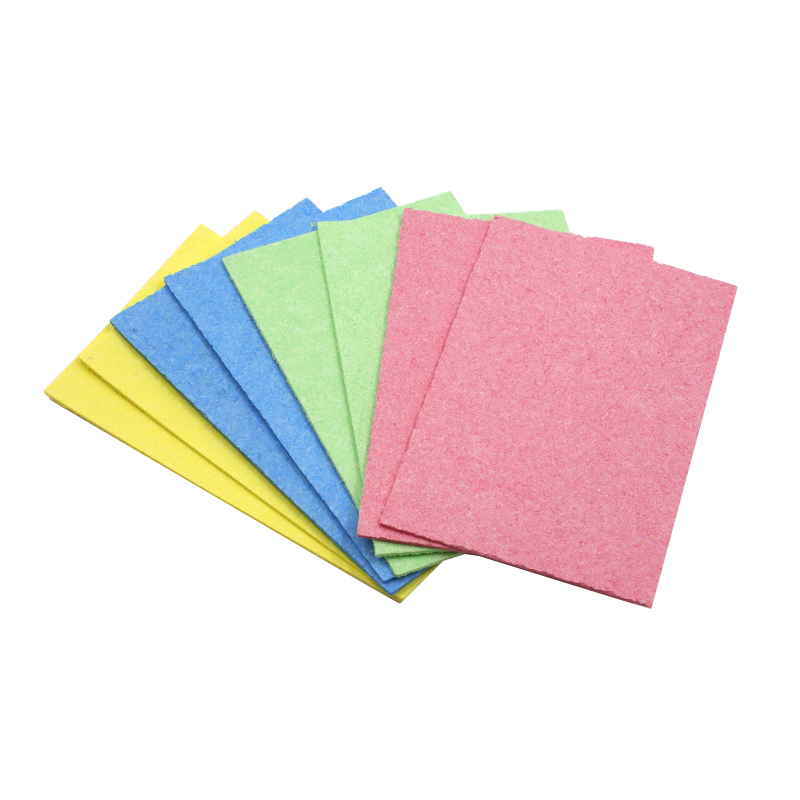
Manufacturers often use FDA-approved pigments to color-code sponges for different tasks (e.g., blue for glass, yellow for general surfaces). For the best eco-friendly profile, look for unbleached, “natural” beige sponges.
3. How can I tell if a sponge is 100% natural?
Check the packaging for “Plastic-free” or “100% Plant-based” labels. A simple test is to see if the sponge burns (like wood) or melts (like plastic) when exposed to a small flame (safety first!).
References and Further Reading
- Sustainable Materials and Technologies Journal: A Review on Bio-based Foams for Cleaning Applications (2025).
- Environmental Protection Agency (EPA): Guidelines for Composting Bio-Based Household Waste.
- FSC (Forest Stewardship Council): Certification Standards for Wood-Pulp Derived Non-Woven Materials.